Indian Island
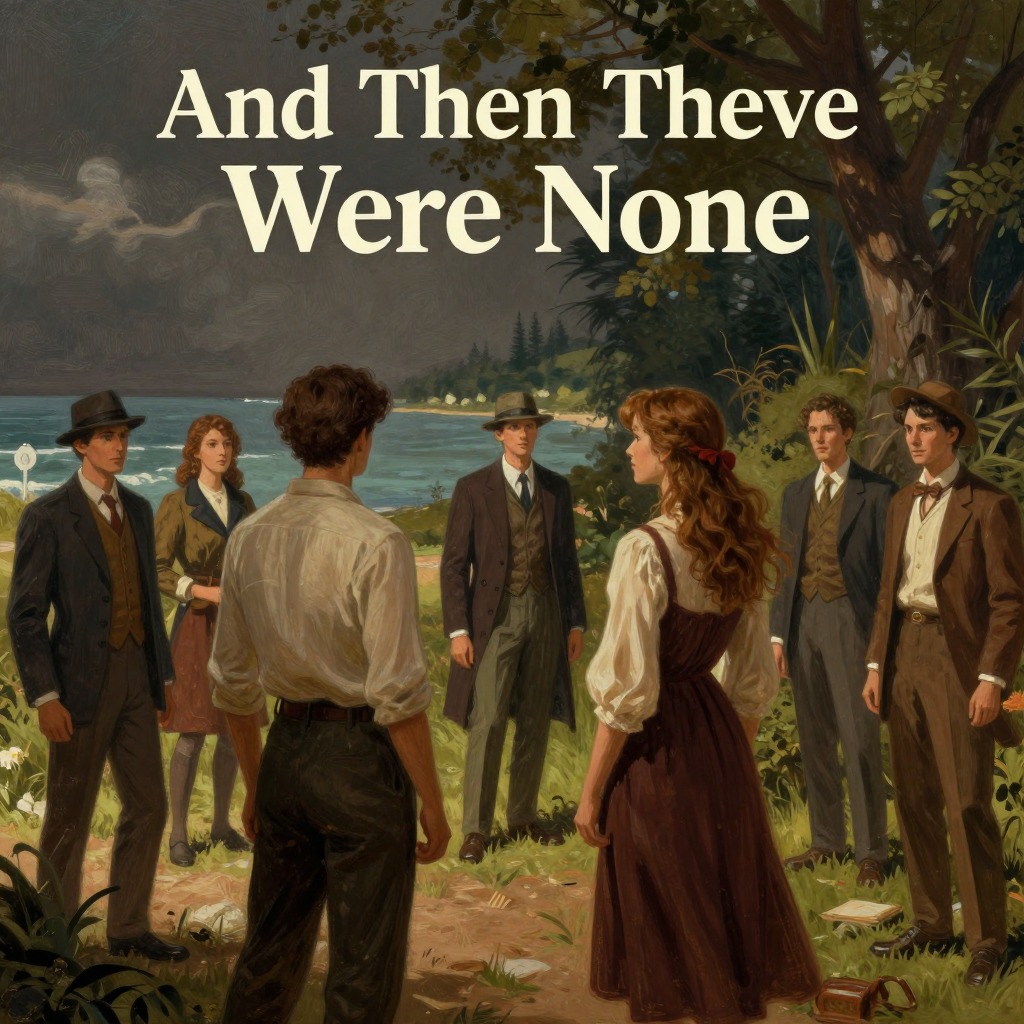
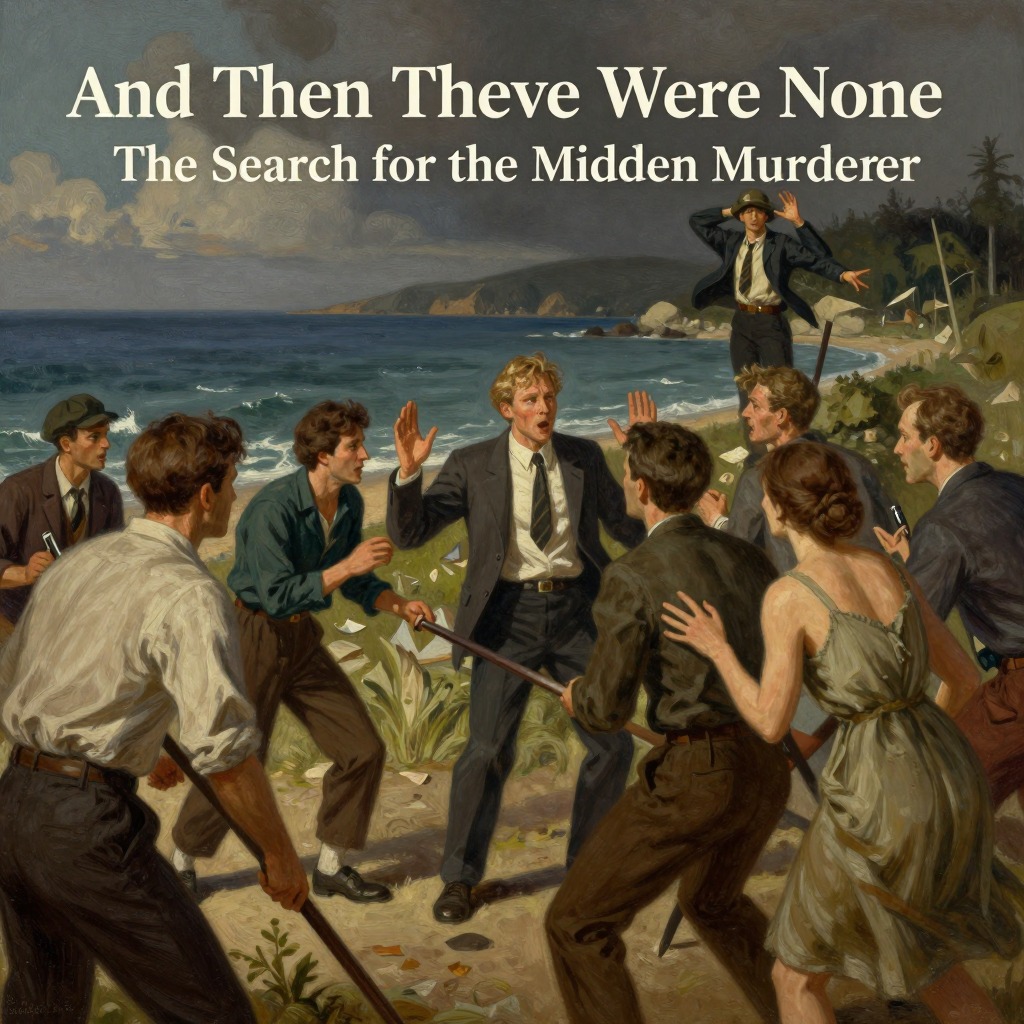
And Then There Were NoneIndian Island is the isolated, privately owned island off the Devon coast where the entire plot of And Then There Were None unfolds. Originally purchased by the American millionaire Elmer Robson, who built a luxurious modern house on it, the island was later bought by the mysterious U. N. Owen. Its complete isolation from the mainland—accessible only by a motor boat that cannot land in a southeasterly gale—makes it the perfect setting for a series of meticulously planned murders that the law cannot touch, transforming it from a glamorous retreat into a sealed death trap.
Geography and Appearance
Indian Island lies about a mile off the coast of Devon, near the village of Sticklehaven. It derives its name from its resemblance to a man's head—an American Indian profile. The island's north-west side features sheer cliffs dropping into the sea, while the south side shelves gently down to the water, where the house is situated. The approach from the sea reveals no house until the boat churns around the rock, at which point the low, square, modern building with rounded windows comes into view. The island is a bare rock with little cover, making it impossible for anyone to hide on its surface. The only natural inlet for landing is a small cleft between rocks, and the boatman Fred Narracott warns that landing is impossible during a southeasterly, when the island can be cut off for a week or more.
The House and Its Atmosphere
The house on Indian Island is the essence of modernity: there are no dark corners, no possible sliding panels, and everything is new, bright, and shining. This very lack of atmosphere becomes the most frightening thing of all for the guests. The interior is decorated throughout in the modern style, with off-white rugs on gleaming parquet floors and faintly tinted walls. Each bedroom contains a framed copy of the nursery rhyme "Ten Little Indian Boys" over the mantelpiece, and a set of ten small china Indian figures sits on a circular glass stand in the centre of the dining-room table. The house is well-stocked with tinned food, spirits, and other provisions, as the larder must be able to sustain the inhabitants when they are cut off from the mainland. Despite its luxurious appointments, the house becomes a prison of fear, its bright electric lights and open windows unable to dispel the growing terror.
The Island as a Trap
From the moment the guests arrive, the island functions as a carefully designed trap. The motor boat that brings them departs, and no other boat is available on the island. The storm that breaks on the night of the first death ensures that no boat from the mainland can reach them. The isolation is absolute: the village of Sticklehaven cannot be seen from the island, only the hill above it, and a jutting cliff of red rock conceals the actual little bay. The guests realize they are marooned, and General Macarthur voices the grim truth: "We're not going to leave the island. . . . None of us will ever leave. . . . It's the end, you see—the end of everything." The island becomes a world of its own, a place from which, as Dr. Armstrong muses upon his arrival, one might never return.
Narrative and Thematic Significance
Indian Island is not merely a setting but an active agent in the story's design. Its isolation allows the murderer, Lawrence John Wargrave, to execute his plan without interference from the outside world. The island's name and the nursery rhyme that decorates its rooms provide the thematic framework for the murders: each death corresponds to a verse of the rhyme, and the diminishing number of china figures on the dining table marks the progress of the slaughter. The island's physical characteristics—the bare rock, the sheer cliffs, the treacherous sea—are exploited by the murderer to dispose of bodies and create the illusion of a supernatural or impossible crime. In his confession, Wargrave reveals that he chose the island precisely because it could be sealed off, allowing him to stage a "fantastical crime—something stupendous—out of the common." The island thus becomes the stage for a grotesque performance of justice, where the boundaries between judge, executioner, and victim dissolve.