
The Mimarobe’s Transformation into a Witness
AniaraThis flow traces the narrator’s changing understanding of knowledge, responsibility, and compassion as his technical role gives way to testimony.
increasing Bearing strength in each event
 decreasing
Bearing strength in each eventdecreasingThings Made Visible

Things Made Visible
Technical mediation
The Mimarobe uses Mima’s systems to make distant images accessible to the passengers. His work turns unseen signals into experiences that can be shared in the ship’s dark rooms.
A poet’s responsibility
The act of showing resembles a larger responsibility to notice the world and preserve its particular realities. Yet the images also raise the question of how much truth viewers can bear.
Consolation Curated
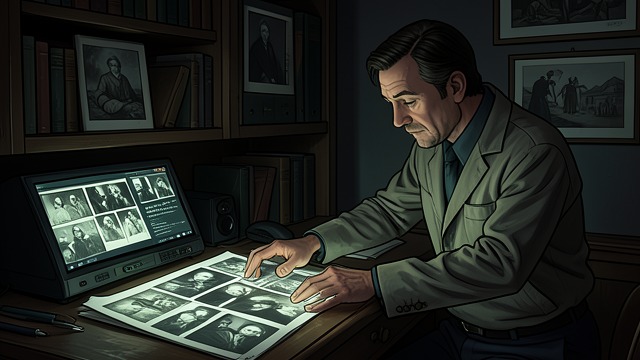
Consolation Curated
Selecting the bearable
The Mimarobe begins preserving images that comfort passengers and resemble life. His curation helps them withstand anxiety, but it also makes his work a form of control over attention.
The ethical edge
A comforting image can sustain people or conceal their condition. The distinction becomes increasingly difficult as the ship loses its connection to ordinary earthly life.
The Unsoftened Catastrophe
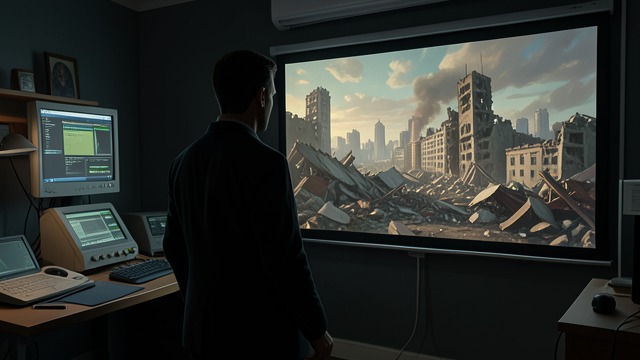
The Unsoftened Catastrophe
Truth transmitted
Mima displays the destruction of Dorisburg without disguising its violence. The Mimarobe is forced to witness an event that his technical work can reveal but cannot prevent.
Responsibility sharpened
The transmission makes clear that information is not the same as protection. The Mimarobe’s role shifts from presenting wonders to bearing the emotional consequences of what is seen.
The Machine’s Moral Appeal
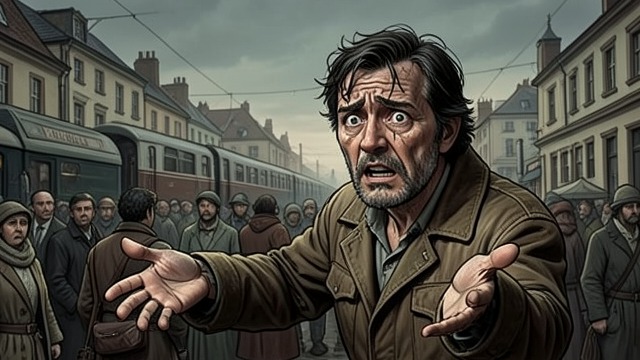
The Machine’s Moral Appeal
A witness asks for peace
Mima describes its distress at the destruction of matter and asks to stop showing further scenes. The machine’s plea makes the preservation of images a moral question, not merely a technical task.
The name of Things
The Mimarobe hears a demand to honor the physical world against abstractions and systems that justify its destruction. Mima’s death makes that demand impossible to ignore.
The Last Testimony
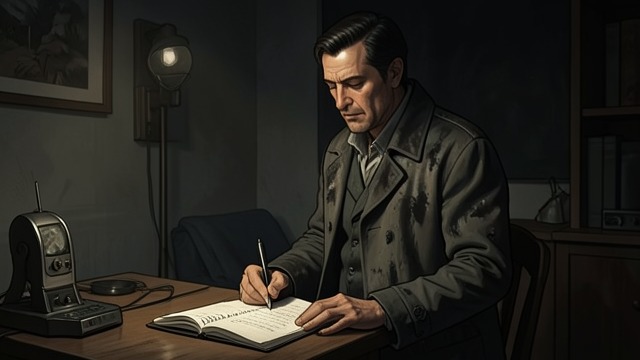
The Last Testimony
From operator to narrator
After Mima’s loss, the Mimarobe can no longer mediate the universe through its screens. He becomes responsible for preserving the account of the ship and its people in words.
Compassion as conclusion
His final reflection distinguishes cosmic law from moral truth and asks for peace. Testimony cannot reverse the catastrophe, but it carries forward the possibility of human understanding.
Early in the voyage
Before Dorisburg is destroyed
Around the sixth year
Soon after the transmission
Near the ending
