
The Loss of the Natural World
AniaraThis flow traces the contrast between the living Earth the passengers remember and the damaged, artificial environments they encounter.
increasing Bearing strength in each event
 decreasing
Bearing strength in each eventdecreasingEarth as Home
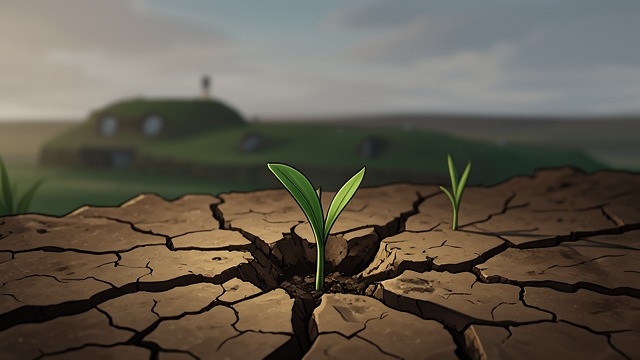
Earth as Home
A world of particular life
The passengers depart a planet whose landscapes and seasons still shape their memories. The image of Earth includes soil, weather, plants, and familiar places rather than an abstract globe alone.
A damaged inheritance
Radiation has already made much of the planet unsafe. The evacuation begins with a contradiction: people flee their home while remaining dependent on the world they have damaged.
The Artificial Ship
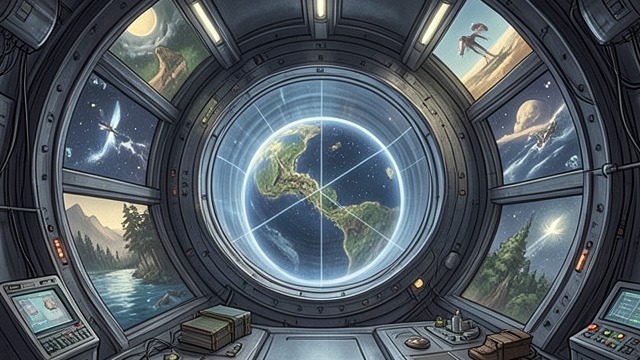
The Artificial Ship
Life in a sealed environment
Aniara provides gravity, heat, light, rooms, and routines within a vast engineered structure. These systems allow the passengers to imitate day and night despite the surrounding darkness.
Nature replaced by schedule
The artificial environment can reproduce comfort but not the living cycles it imitates. Earth’s seasons become measurements and memories rather than experiences of weather and soil.
A Martian Spring
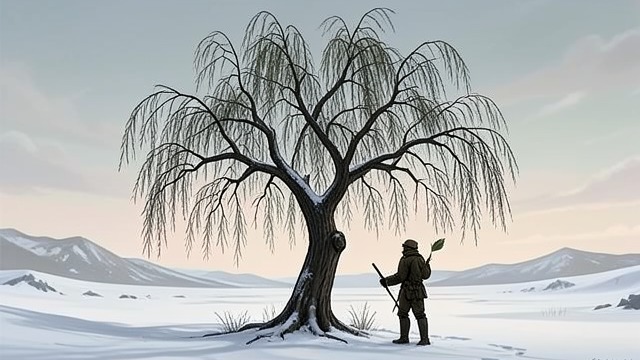
A Martian Spring
Sparse life endured
On Tundra Two, iron-hard willows and the gaunt tundra cock survive in a harsh environment. Their existence is a narrow form of life, shaped by scarcity and cold.
Beauty recovered in attention
Nobia finds significance in the willows and sends their leaves to Earth. Her attention restores an emotional relation to nature without pretending the tundra is a paradise.
The Destruction of Soil
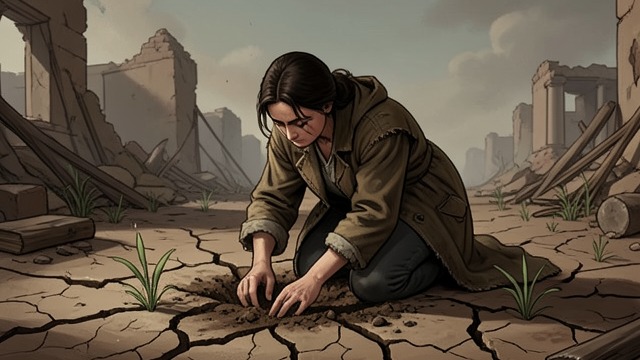
The Destruction of Soil
The ground damaged
The catastrophe leaves regions of Earth scorched and plants injured. The soil that once supported daily life becomes evidence of the consequences of human violence.
Restoration uncertain
The Blind Poetess supports efforts to repair Rind, though their methods and prospects remain doubtful. The desire to restore the land persists despite the absence of a reliable remedy.
Nature as Final Measure
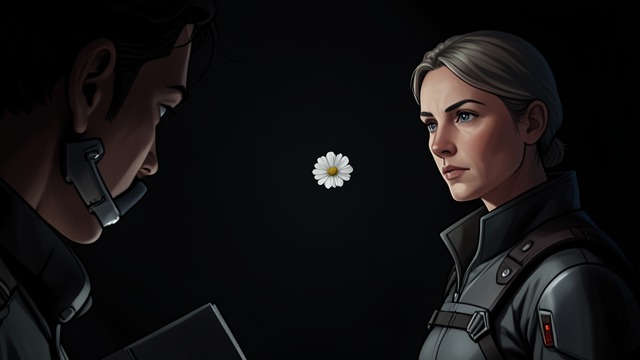
Nature as Final Measure
Memory of living abundance
The narrator remembers flowers, insects, summer air, and the ordinary fertility of Earth. These details stand against the ship’s sterile movement through space.
Loss made ethical
The remembered world shows what technological ambition failed to value. The poem’s final judgment rests not on humanity’s ability to travel, but on its failure to care for the living world it left behind.
Before launch
During the first years aboard
During the Space-hand’s account
After the disasters in Rind and Dorisburg
Near the end
