
Memory, Regret, and the Desire to Return
AniaraThis flow traces passengers’ changing memories of home, from comforting recollection to guilt, spiritual longing, and the fading of personal history.
increasing Bearing strength in each event
 decreasing
Bearing strength in each eventdecreasingMemories as Comfort

Memories as Comfort
Home reconstructed
Passengers remember landscapes and customs from Earth and imagine familiar cycles inside the ship. Such recollection gives them something to inhabit when the present feels empty.
Memory as shelter
The act of remembering can make exile bearable, but it also confirms that the remembered world is inaccessible. Comfort and pain grow from the same attachment.
The Widowed Couple
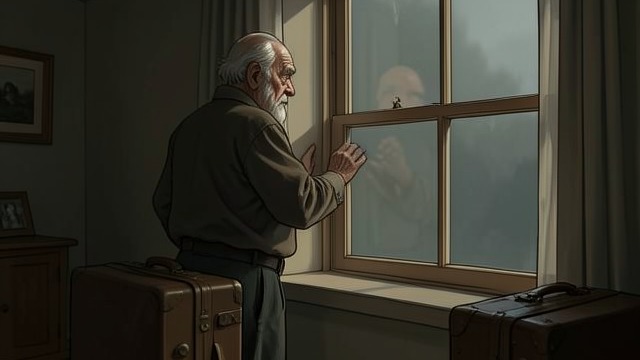
The Widowed Couple
Landing imagined
An elderly couple repeatedly waits at a window with their belongings, as though the ship might still land in a promised country. Their shared memory includes food, home, and the life they left behind.
Separation inside exile
The husband dies before any arrival, leaving his companion alone with the expectation they once shared. Their grief makes the ship’s passing years visible through a single relationship.
Karelia Remembered

Karelia Remembered
A past recovered in flashes
A passenger recalls a long life in Karelia, including love, exile, and a crime that led to banishment. The memories surface unevenly among fragments from other times and places.
Regret as hope
The speaker wonders whether silence and remorse might prepare him for the Star Majestic. His longing joins personal guilt to the broader desire for a home beyond the ship.
The Return to Soil

The Return to Soil
Burial reimagined
The Blind Poetess imagines human bodies returning to earth and helping life rise again. Her song gives the dead a relation to the natural world rather than leaving them isolated in space.
A communal longing
Listeners hear in the image a possible return to origins. The longing is spiritual and physical at once, rooted in a world that the passengers can no longer reach.
Memory Thins
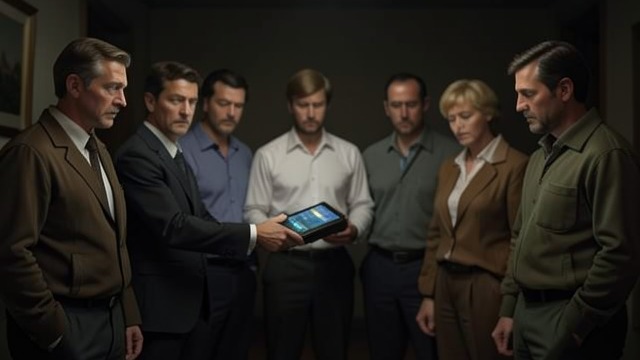
Memory Thins
The past grows indistinct
As time passes, dreams and personal recollections become difficult to sustain. Earth’s familiar details fade among the ship’s repeated routines and the enormity of space.
A final accounting
The closing movement strips away imagined futures and leaves the passengers with the lives they have actually lived. Memory remains, but it can no longer promise return or renewal.
During the early years aboard
During the middle years aboard
During the later years aboard
During the Blind Poetess’s song
Near the final years
