Spontaneous Demonstration
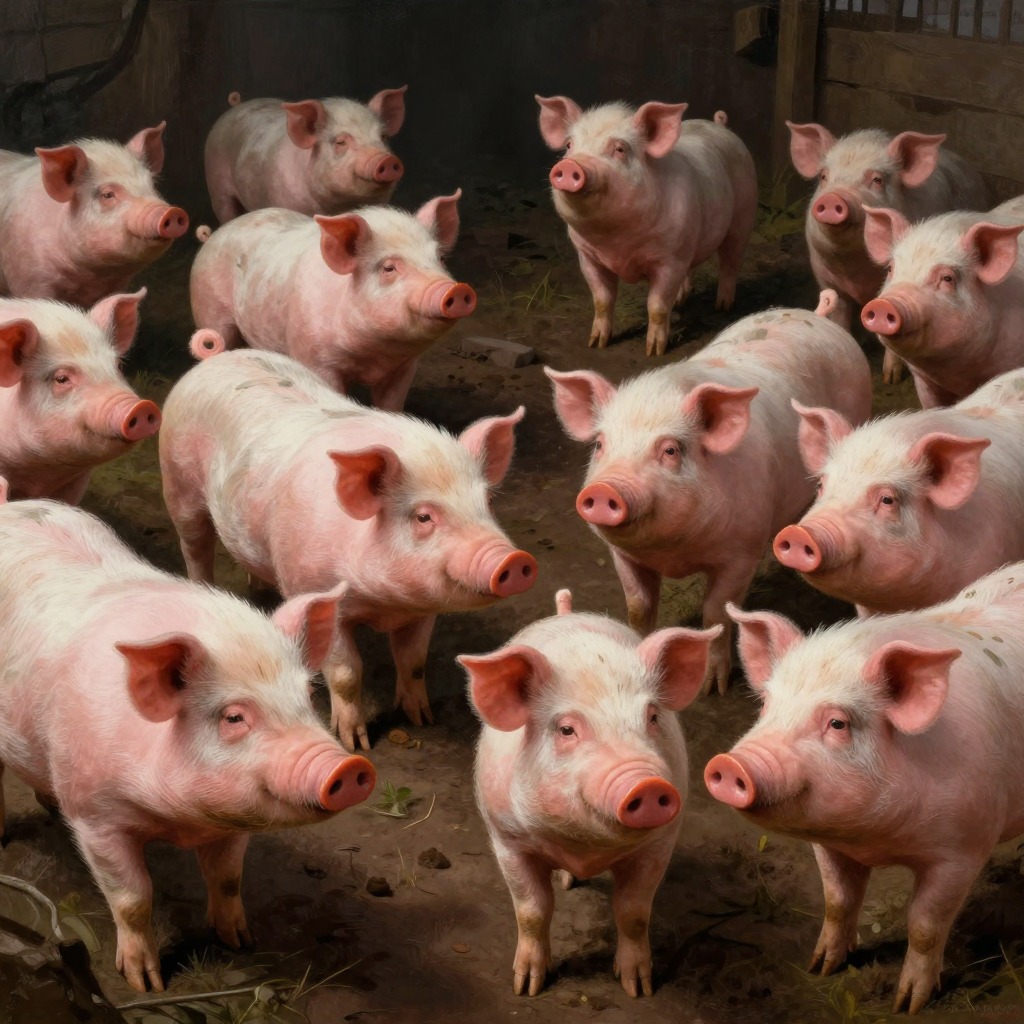
Animal FarmThe Spontaneous Demonstration was a weekly ritual instituted by Napoleon on Animal Farm, a carefully orchestrated spectacle of military-style processions, speeches, and gunfire that served to celebrate the farm's struggles and triumphs while reinforcing the pigs' authoritarian rule and distracting the animals from their worsening material conditions.
Origins and Purpose
The Spontaneous Demonstration was introduced by Napoleon after the consolidation of his power, as part of a broader effort to replace the democratic Sunday-morning Meetings that had been abolished. The stated object of the demonstration was to celebrate the struggles and triumphs of Animal Farm. It was held once a week at an appointed time, when the animals would leave their work and march around the precincts of the farm in military formation. The order of the procession was strictly hierarchical: the pigs led, followed by the horses, then the cows, then the sheep, and finally the poultry. The dogs flanked the procession, and at the head of all marched Napoleon's black cockerel. Boxer and Clover always carried between them a green banner marked with the hoof and the horn and the caption, "Long live Comrade Napoleon!" Afterwards there were recitations of poems composed in Napoleon's honour, and a speech by Squealer giving particulars of the latest increases in the production of foodstuffs, and on occasion a shot was fired from the gun.
The Sheep as Enforcers
The sheep were the greatest devotees of the Spontaneous Demonstration. If anyone complained—as a few animals sometimes did, when no pigs or dogs were near—that the demonstrations wasted time and meant a lot of standing about in the cold, the sheep were sure to silence him with a tremendous bleating of "Four legs good, two legs bad!" This chant, originally a simplified slogan of Animalism, had become a tool to shut down dissent, and the sheep's enthusiastic participation in the demonstrations helped to create an atmosphere of enforced unanimity.
Psychological Function and Distraction
By and large, the animals enjoyed these celebrations. They found it comforting to be reminded that, after all, they were truly their own masters and that the work they did was for their own benefit. So that, what with the songs, the processions, Squealer's lists of figures, the thunder of the gun, the crowing of the cockerel, and the fluttering of the flag, they were able to forget that their bellies were empty, at least part of the time. The Spontaneous Demonstration thus functioned as a form of psychological pacification, using collective ritual and patriotic fervour to mask the reality of hunger, overwork, and the growing inequality between the pigs and the other animals.
Contrast with Earlier Rituals
The Spontaneous Demonstration replaced the earlier Sunday-morning Meetings, which had been a forum for debate and collective decision-making. Under the old system, the animals had gathered in the Big Barn to plan the work of the coming week, put forward resolutions, and debate them. Snowball and Napoleon had been the most active in these debates, and the meetings had ended with the singing of 'Beasts of England'. After Napoleon's coup, the meetings were abolished, and the Sunday gatherings became a mere formality: the animals assembled to salute the flag, sing 'Beasts of England', and receive their orders for the week. The Spontaneous Demonstration went further, transforming the weekly assembly into a militaristic parade that celebrated the leadership of Napoleon and discouraged any independent thought. The skull of Old Major, now clean of flesh, had been disinterred from the orchard and set up on a stump at the foot of the Flagstaff, beside the gun, and the animals were required to file past the skull in a reverent manner before entering the barn—a ritual that further reinforced the cult of personality.
Legacy and Significance
The Spontaneous Demonstration was part of a broader pattern of ritualised propaganda that included the firing of the gun on anniversaries and Napoleon's birthday, the awarding of medals such as the Animal Hero and the Order of the Green Banner, and the composition of poems like 'Comrade Napoleon'. These rituals served to create a sense of collective identity and purpose, while simultaneously erasing the memory of the farm's original revolutionary ideals. By the end of the novel, the demonstrations had become so ingrained that the animals accepted them without question, even as their lives grew harder. The Spontaneous Demonstration thus stands as a key example of how totalitarian regimes use spectacle and ceremony to manufacture consent and maintain control.