James A. Harrison
Anne of AvonleaJames A. Harrison is an unconventional farmer whose quarrelsome habits initially make him seem permanently resistant to domestic life. His estrangement from his wife, Emily, and their eventual reconciliation expose the mutual stubbornness beneath their conflict, while his later place in Avonlea shows a man capable of change without losing his independence or humor.
Identity and Background
Before settling on Prince Edward Island, Harrison lived in Scottsford, New Brunswick, where his sister kept house for him. He describes her as reasonably tidy, indulgent, and willing to leave him alone. Her death, three years before he recounts the story, prompted her to press him to marry. She recommended Emily Scott, a woman with money of her own and a reputation as a model housekeeper. Harrison expected Emily would reject him, but asked her partly to satisfy his sister’s wish; Emily accepted, and they married.
Their wedding trip lasted a fortnight in St. John. On returning home late at night, Emily began cleaning almost immediately, and resumed at four the next morning. Harrison remembers her continual scrubbing, sweeping, and dusting as the beginning of a household life in which her standards and his habits repeatedly collided. He was expected to change his boots for slippers indoors, smoke only in the barn, improve his grammar, and stop eating with his knife. Emily had once been a schoolteacher and corrected his speech; he admits that he grew cranky instead of trying to improve. His account presents neither spouse as wholly responsible: he acknowledges his own cantankerousness even as he resents being remade.
Marriage, Separation, and Ginger
The most consequential conflict centered on Ginger, a parrot Harrison cherished because it had been sent to him by his sailor brother, a childhood favorite who gave the bird to him while dying. Emily disliked parrots and could not tolerate Ginger’s profanity. Harrison distinguished the bird’s repetition from a person’s deliberate profanity, while Emily tried unsuccessfully to stop it. He also observes that her efforts to reform the parrot met the same resistance as her efforts to correct his grammar.
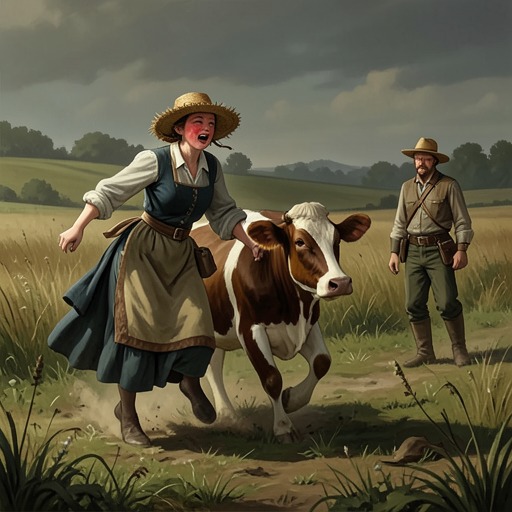
A meal with visitors brought the dispute to a head: Ginger’s language mortified both Harrison and Emily. Harrison took the bird to the barn, then, while driving the cows home, felt sorry for Emily and wondered whether Ginger’s vocabulary might be attributed to him. He decided the parrot would have to be disposed of. But when he returned, Emily was gone, leaving a letter that made her return conditional on his getting rid of Ginger. Harrison, angry, told himself she could wait indefinitely, packed her belongings, and sent them after her. The separation hardened into a public matter; people in Scottsford sympathized with Emily, while Harrison remained cross and unhappy.
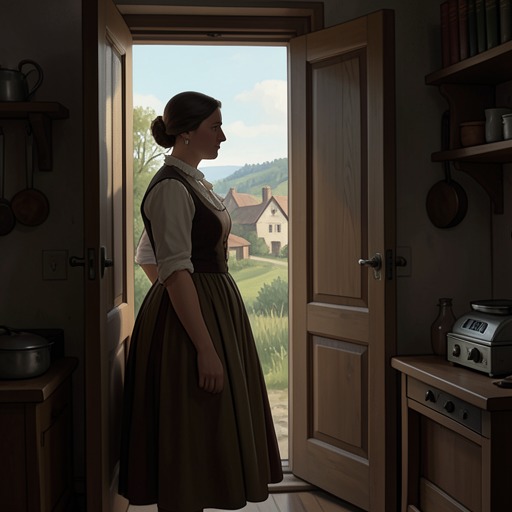
He moved to the Island partly because he remembered liking it as a boy and partly in defiance of Emily’s dislike of the place. He says he heard nothing from her until he returned from the back field one Saturday and found her scrubbing his floor, with a decent dinner ready. She asked him to eat before they talked. Harrison took this as a sign that Emily had reconsidered how to live with him. Ginger was dead, and Emily had returned; the Island, she had found, was not as small as she had imagined.
Place in Avonlea and Relationship with Anne
In Avonlea, Harrison’s solitary life gives rise to speculation. Rachel Lynde sees him wearing a white collar while visiting Isabella Andrews and suspects courtship, but Anne Shirley explains that he had gone on business with Harmon Andrews. Harrison, she says, put on the collar because he believed a prosperous appearance would make the other party less likely to cheat him. Anne feels sorry for him, imagining the loneliness of having no one to care for except a parrot, but also recognizes that he dislikes being pitied.
Harrison’s wife’s arrival turns that bachelor reputation into an abrupt comic reversal. A neatly dressed stranger arrives at Green Gables asking for James A. Harrison and wondering whether he is about to marry someone in the settlement. Anne corrects the rumor that had appeared in an Island paper: the supposed notice was a joke, and Harrison has no intention of marrying. The stranger reveals that she is already his wife. She is glad to learn that Ginger is dead and says she can manage Harrison now that the bird is out of the way. Harrison later tells Anne the history of their estrangement, asking her not to judge either spouse too harshly.
Anne’s kindness helps make the reconciliation visible in ordinary neighborly terms. Harrison tells her that Emily had already taken a liking to the handsome red-haired girl who lived nearby, and recalls that Anne had made cakes and other things for him. Emily welcomes Anne and urges her to stay for tea. On their walk across the fields afterward, she gives her own account: she had been hasty, expected too much of a husband, and wrongly made an issue of his grammar. She recognizes that the blame was not all his, and hopes they will now be happy together. Their paired admissions of fault replace the earlier contest over who must yield.
Change and Narrative Role
Harrison’s later conduct offers practical evidence of reconciliation. Avonlea hears that he has become noticeably neater, attends church every Sunday, and contributes to the minister’s salary. His altered appearance is remarked upon by the community, but the change is not presented as Emily simply imposing her preferences: she permits him to smoke indoors beside an open window, and he chooses to smoke outdoors in fine weather. Her concession and his considerate response produce what the narrative calls mutual goodwill.
He also proves kind to Davy Keith, inviting the boy to help haul dulse and, Davy hopes, to dinner. Davy calls him sociable and says he hopes to behave like Harrison when grown, while carefully distinguishing behavior from appearance. Harrison’s welcome gives the boy a model of adult friendliness, even as Anne reminds Davy that good looks carry an obligation to be gentlemanly.
Near the close, as Anne prepares to leave for Redmond College amid several changes in Avonlea, Harrison reflects that two years is long enough for things to remain unchanged and that they might grow mossy if they stayed put. Anne explains that she hopes college will teach her how best to live, help others, and make the most of life, rather than merely win honors. Harrison approves her purpose. The man once determined to preserve his habits at any cost now endorses learning and change, while his own marriage has shown that compromise need not erase personality. His story thus gives domestic discord a modest, comic resolution and makes reconciliation a matter of acknowledging fault and adjusting expectations on both sides.