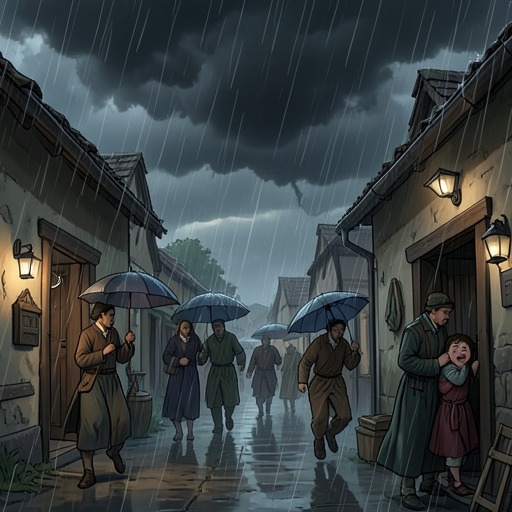
There are always sure to be more springs
Anne of Avonlea“There are always sure to be more springs” is Anne Shirley’s response to damage caused by Uncle Abe’s storm. Spoken as she and Gilbert Blythe reckon with what has been lost, the phrase shifts attention from destruction to the possibility of beginning again.
Context and Wording
A fortnight after the storm, Anne and Gilbert discuss its consequences. The old house of Mr. Levi Boulter has burned to the ground, while fewer than ten of the young trees have escaped. Gilbert notes the coincidence that the storm came on the day they had selected, and says there is little to rejoice over when so many trees are lost.
Anne answers that they will have to plant the trees again next spring. She then offers the phrase as “one good thing about this world”: “there are always sure to be more springs.” Her words make the season itself the basis for hope—not a promise that the loss can be undone, but that another opportunity to start over will come.
Meaning and Function
The expression’s force comes from its contrast with the immediate damage. The young trees cannot be saved in the present, so Anne’s answer turns toward a future planting season. “Springs” refers literally to the season when they can plant again, while also carrying the broader idea of renewal; the plural makes hope seem recurring rather than limited to a single recovery.
Anne delivers the thought philosophically, giving it the shape of a practical consolation rather than a denial of what has happened. The storm’s destruction remains real, but it does not have the final word: the next spring offers a concrete chance to begin again.