The Avenue
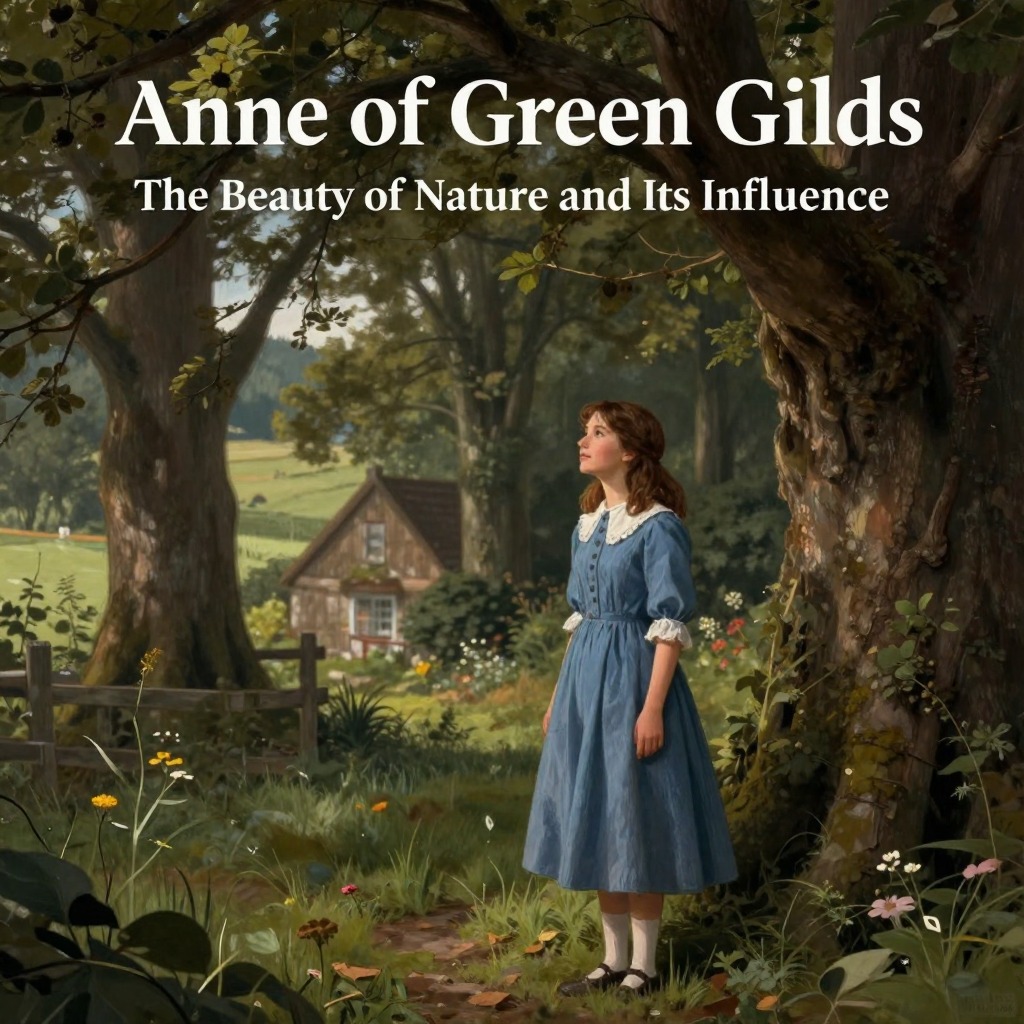
Anne of Green GablesThe Avenue is a stretch of road four or five hundred yards long, located between Newbridge and Avonlea, completely arched over by huge, wide-spreading apple trees planted years ago by an eccentric old farmer. When Anne Shirley first sees it during her drive from Bright River to Green Gables, she is struck dumb by its beauty, leaning back in the buggy with her thin hands clasped before her and her face lifted rapturously to the white splendor overhead. Even after they have passed through, she remains silent for miles, gazing into the sunset with eyes that see visions. She later tells Matthew Cuthbert that the Avenue is the first thing she ever saw that could not be improved upon by imagination, and that it gave her a "queer funny ache and yet it was a pleasant ache." She renames it the "White Way of Delight," explaining that the name "Avenue" has no meaning, while her invented name is a "nice imaginative name." This act of renaming is characteristic of Anne's habit of giving new names to places that do not satisfy her, just as she renames Barry's pond the "Lake of Shining Waters." The Avenue becomes a symbol of the perfect beauty that Anne encounters in her new home, and its memory is invoked when she later expresses her despair at the possibility of being sent away from Green Gables, telling Matthew that if she had not seen the White Way of Delight, her disappointment would not be so hard to bear. The Avenue also appears in Anne's first prayer at Green Gables, where she thanks God for the White Way of Delight as one of her blessings. The Avenue is thus not merely a physical location but a touchstone of Anne's imaginative and emotional life, representing the fulfillment of her longing for beauty and belonging.
Appearance and Description
The Avenue is a unique natural feature of the Avonlea landscape, created by an eccentric old farmer who planted apple trees that have grown to form a complete canopy over the road. Overhead is "one long canopy of snowy fragrant bloom," and below the boughs the air is full of a "purple twilight." Far ahead, a glimpse of painted sunset sky shines like a "great rose window at the end of a cathedral aisle." The Avenue is thus described in terms that evoke both natural beauty and sacred architecture, suggesting its almost religious significance to Anne. When Anne first sees it, she is rendered speechless, and even after they have passed through, she remains in a state of rapt silence for miles, gazing into the sunset. The Avenue is also associated with the broader landscape of Prince Edward Island, which Anne describes as "the bloomiest place" and which she immediately loves.
Anne's Renaming and Imaginative Appropriation
Anne immediately rejects the name "the Avenue" as having "no meaning in a name like that." She renames it the "White Way of Delight," explaining that this is a "nice imaginative name." This act of renaming is part of Anne's broader habit of imposing her imagination on the world around her, as she also renames Barry's pond the "Lake of Shining Waters" and gives names to trees and flowers. The Avenue thus becomes a site of Anne's creative agency, where she transforms a mundane location into a place of personal and poetic significance. The name "White Way of Delight" captures the Avenue's appearance in spring, when it is covered in white blossoms, and also reflects Anne's emotional response to it as a source of joy and wonder.
Emotional and Thematic Significance
The Avenue is one of the first places Anne encounters on her way to Green Gables, and it becomes a symbol of the beauty and promise of her new home. When she later fears that she will be sent back to the asylum, she tells Matthew reproachfully that if she had not seen the White Way of Delight and the Lake of Shining Waters, her disappointment would not be so hard to bear. The Avenue thus represents the hope and happiness that Anne associates with Green Gables, and its memory intensifies her despair when she believes she will lose that home. In her first prayer at Green Gables, Anne thanks God for the White Way of Delight, along with the Lake of Shining Waters, Bonny the geranium, and the Snow Queen cherry tree, indicating that the Avenue has become one of her most cherished blessings. The Avenue also appears in Anne's later imaginative life, as when she tells Marilla that she would not go through the Haunted Wood after dark, but she does not mention the Avenue in that context, suggesting that it remains a place of pure, untainted beauty in her mind.
Contrast with Other Locations
The Avenue stands in contrast to other locations in the novel that Anne finds disappointing or that require her imagination to transform. Unlike the Haunted Wood, which Anne and Diana invent as a site of terror, or the spare room at Green Gables, which Anne imagines as a place of luxury, the Avenue requires no imaginative improvement. Anne tells Matthew that it is "the first thing I ever saw that couldn't be improved upon by imagination. It just satisfies me here." This makes the Avenue unique among the places Anne encounters, as it meets her aesthetic and emotional needs without any need for her to embellish it. The Avenue thus represents a rare moment of perfect harmony between Anne's inner world and the external world, a moment of complete satisfaction that she treasures throughout the novel.