the manse
Anne of Green GablesThe manse in Avonlea is the home of the village's minister and his family, a place that becomes a site of profound personal significance for Anne Shirley. More than a building, it represents the domestic heart of the congregation and, through the arrival of the new minister and his wife, a new chapter in Anne's spiritual and social education.
Arrival of the Allans and the Manse's New Life
The manse had been vacant for a time after the departure of the elderly, widowed Mr. Bentley, who had been pastor for eighteen years. During the interim, Avonlea churchgoers listened to a series of candidates, each of whom Anne evaluated with her characteristic blend of imagination and borrowed opinion from Mrs. Rachel Lynde. When the young, newly married Mr. and Mrs. Allan finally arrived, they brought a fresh energy to the manse. Mrs. Allan, in particular, was described as a bright, gentle little lady who assumed the mistress-ship of the manse, and Anne fell promptly and wholeheartedly in love with her, discovering in her another kindred spirit.
A Site of Spiritual and Personal Growth
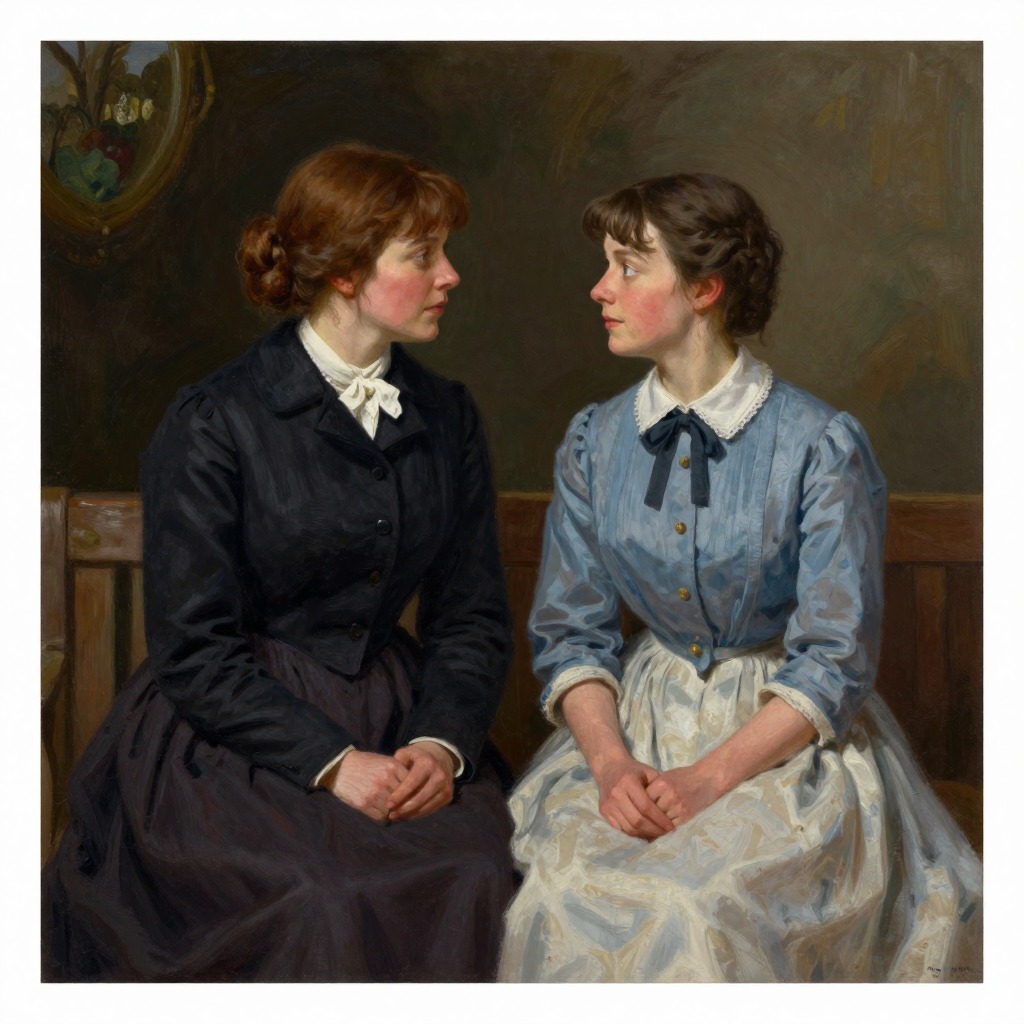
For Anne, the manse became a place of intimate conversation and moral development. During her first tea invitation there, she had a heart-to-heart talk with Mrs. Allan, confiding everything about her past—Mrs. Thomas, the twins, Katie Maurice, Violetta, her arrival at Green Gables, and her struggles with geometry. Mrs. Allan's revelation that she too had been a dunce at geometry provided immense encouragement. Anne also learned from Mrs. Allan that religion could be a cheerful thing, a stark contrast to her previous, more melancholy understanding. The manse was where Anne received guidance on her besetting sin of imagining too much and forgetting her duties, and where she felt the comfort of a minister's wife as an extra conscience.
A Place of Comfort in Grief
The manse's role as a refuge extended into Anne's deepest sorrow. After the sudden death of Matthew Cuthbert, Anne went to the manse garden one evening to talk with Mrs. Allan. There, she confessed her guilt at finding pleasure in the world again—laughing at Diana's jokes, delighting in sunrises and pink buds—feeling it was disloyal to Matthew. Mrs. Allan gently reassured her, saying that Matthew, who had loved to hear her laugh, would still want her to find joy. This conversation, set in the manse's garden, helped Anne reconcile her grief with the continuing beauty of life, a pivotal moment in her emotional recovery.
Symbolic and Social Significance
The manse also functioned as a social hub and a symbol of community standards. Mrs. Lynde, a pillar of the church, was a frequent visitor and source of information about the minister's family, including the soundness of Mr. Allan's theology and the housekeeping skills of his wife. The manse was the setting for formal tea invitations extended to Sunday-school scholars, marking Anne's first time being addressed as "Miss" and giving her a thrill she cherished. It was a place where the rules of etiquette were observed, where Anne learned to think of others before herself, and where she felt the honor of being treated as real company. Through her visits, the manse became a second home, a space where her imagination was respected, her spiritual questions answered, and her heart both challenged and comforted.