Paul Irving's loss of childhood fantasy
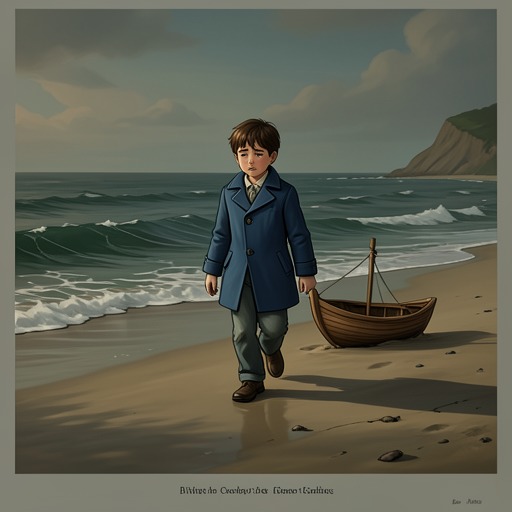
Anne of the IslandPaul Irving's loss of childhood fantasy is marked by a visit to the shore where his imagined companions no longer appear as he expects. When he returns sober and finds Nora changed, Anne Shirley gives the disappointment its meaning: Paul himself has grown beyond the childhood that made the Rock People real to him.
The anticipated return to the shore
During his first fortnight with his grandmother, Mrs. Irving, in Avonlea, Paul is eager to reach the shore. Anne is there when he arrives, and he can hardly wait through supper, imagining Nora's elfin face watching for him around the point. The Twin Sailors and the Golden Lady, too, belong to the reunion he anticipates. But he returns at twilight in a sober mood, a contrast that makes the visit feel less like a homecoming to a familiar enchanted world than a test of whether that world can still answer him.
A changed child, or a changed world
When Anne asks whether he found the Rock People, Paul sorrowfully explains that the Twin Sailors and the Golden Lady did not come, and that Nora was there but was no longer the same. His first interpretation locates the loss in the figures themselves: the shore has failed to restore what he remembers. Anne reverses that understanding. In her account, the Rock People play only with children, and Paul has grown too old for their company; even Nora, she warns, will soon cease to meet him. The fantasy has not simply vanished from the landscape. Its disappearance registers a change in the person who once encountered it.
Growing up and leaving fairyland
Anne describes the loss as the penalty of growing up: Paul must leave fairyland behind. Her explanation makes the episode a small but decisive passage from childhood, in which a familiar imaginative world becomes inaccessible without any dramatic rupture beyond the child's changed capacity to inhabit it. The exchange also turns briefly on Anne's own sense of change. After Mrs. Irving calls their talk foolishness, Anne insists that they are becoming very wise, but that this wisdom makes them less interesting, linking adulthood not only to lost enchantment but to a more guarded use of language. The scene holds both ideas together: growing older brings understanding, yet that understanding can narrow the imaginative freedom that made the shore extraordinary.