Ruby Gillis
Anne of the IslandRuby Gillis is one of Anne Shirley’s old school friends, remembered first for her beauty, lively company, and laughter, and later for the summer in which consumption took her life. Her illness interrupts the future she wants: marriage to Herb Spencer, children, and a return to teaching. In telling Anne what she has kept from others, Ruby makes their friendship a place where fear and hope can be spoken plainly; her death, soon afterward, changes Anne’s understanding of what a life should be lived for.
Among Anne’s Friends
At a gathering of Avonlea’s old crowd, Ruby appears at her brightest: she wears a cream silk blouse, with red geraniums in her golden hair, and is described as looking her handsomest. The scene places her among the young people who have grown up alongside Anne, including Diana Barry, Gilbert Blythe, and Charlie Sloane. Its festive warmth later contrasts sharply with the physical decline Anne sees in Ruby. The red flowers and handsome clothes belong to a public, social world in which Ruby seems at home; the later scenes reveal how little that appearance tells of her health.
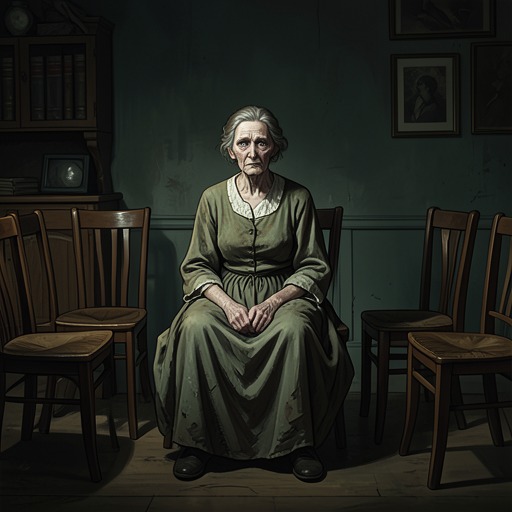
The contrast becomes unmistakable when Anne sees Ruby in the choir. Ruby is still beautiful, but her blue eyes seem too bright, her cheeks are unnaturally vivid, and her hands have grown so delicate that they appear almost transparent as she holds her hymn-book. Anne is alarmed enough to ask Rachel Lynde whether Ruby is ill. Rachel reports that Ruby is dying of consumption, though Ruby and her family refuse to acknowledge how serious her condition is. Ruby has not been able to teach since a winter attack of congestion, but still says she expects to return to teaching in the fall and seeks the White Sands school. Her father postpones that plan, saying she should not teach until New Year’s. The hopes she voices and the weakness Anne can see exist side by side.
The Summer Visits
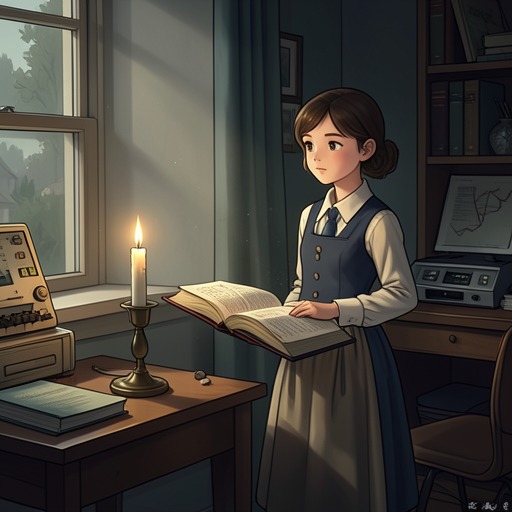
Anne gives up a moonlight drive to White Sands beach to spend an evening with Ruby in the Gillis garden, and has spent many evenings with her that summer. The visits are difficult for Anne because Ruby remains gay and talkative, dwelling on her beaux, their rivalries, and their disappointments, as she has in healthier days. What once might have seemed silly or amusing now sounds painful to Anne: death is close, while Ruby keeps to the subjects she knows and loves. Yet Ruby clings to these visits, repeatedly asking Anne not to leave until she has promised to come again soon.
As the summer wanes, the evidence of decline gathers in ordinary details. Ruby grows paler; her father’s postponement of her teaching replaces her anticipated return to school; and the fancy work she loves increasingly falls from hands too weary to continue. These details make the illness more than a diagnosis reported by Rachel: it is a steady narrowing of Ruby’s daily life and plans. Anne sometimes doubts that her visits can do any good, and Rachel and Marilla Cuthbert worry that Anne may catch the disease. Anne goes nonetheless, responding to Ruby’s attachment even when she cannot make her friend well.
What Ruby Confides
One night Ruby tells Anne what she has been unable to say during the summer. She wants to live as other girls do, to marry and have children, and says she has always loved babies. She also explains that Herb Spencer is different from her other beaux: she loves him, he loves her, and, if she could live, she would marry him and be happy. The confession gives specific shape to the future her illness threatens. Marriage and motherhood are not simply topics in her chatter about courtship; they are hopes she knows she may lose.
Ruby has chosen Anne because she trusts that Anne will understand. She says she has wanted to discuss these fears throughout the summer, but felt that admitting she was going to die would make death certain. During the day, cheerful company helped her avoid thinking about it; at night, when she could not sleep, she could not escape the fear. After she speaks, she says that telling Anne has helped. Anne presses her hand and stays with her in silence as Ruby sobs and gradually grows calmer. The scene does not remove the danger or promise recovery. Its immediate comfort lies in allowing Ruby to name both her love for Herb and her terror of dying without being left alone with either.
Death and What Remains
Anne’s last good night with Ruby is also the last time she sees her alive. The following night, while the A.V.I.S. holds a farewell party for Jane Andrews before Jane leaves for the West, Ruby dies in her sleep. The next morning, word passes from house to house. Her death is described as painless and calm; the smile on her face suggests a gentler passage than the phantom she had feared. The contrast between Ruby’s private terror and her peaceful death gives the ending its particular force without undoing the hopes she had just entrusted to Anne.
Before the funeral procession leaves, Mrs. Gillis gives Anne Ruby’s unfinished embroidered centerpiece. The needle remains caught in the work where Ruby’s fingers left it the afternoon before she died. Rachel Lynde observes that there is always unfinished work left, and that someone must finish it. The object makes loss tangible: a task Ruby loved is still there, but its maker is not. At the funeral, Anne has placed delicate flowers around Ruby, who lies dressed in white. Rachel remarks on how handsome she looks; Anne remembers a purity of outline and delicacy that she feels life had not brought out in Ruby. That image, and the unfinished needlework, become lasting parts of how Ruby is remembered.
Ruby’s Lasting Significance
Ruby’s death is the first among Anne and her schoolmates, making a familiar friend’s absence the beginning of a reality Anne knows will eventually reach the rest of them. Walking home from their final evening, Anne understands that life now has a deeper purpose: its small pleasures matter, but should not be the highest things a person lives for. She concludes that the life of heaven must begin on earth. Ruby does not set out to teach this lesson, but her fear, her longing to live, and the nearness of her death compel Anne to reconsider her own ideals.
Ruby’s memory also persists through the details other people choose to preserve. Anne and Diana Barry remember that she was the first of their schoolmates to die; Mrs. Gillis entrusts Anne with her unfinished work; and, after the funeral, Davy Keith remembers Ruby as someone who laughed a great deal and asks whether she will laugh in heaven. Anne answers that she thinks she will. The question returns Ruby to the lively girl among friends, without erasing the sick young woman who feared the night. In that remembered laughter, the social brightness of her early appearance and the intimate vulnerability she disclosed to Anne remain together.