
The War After Departure
Another Day of LifeThe book's later perspective tests what it means to leave a war when the conflict and its human costs continue.
increasing Bearing strength in each event
 decreasing
Bearing strength in each eventdecreasingThe Counteroffensive
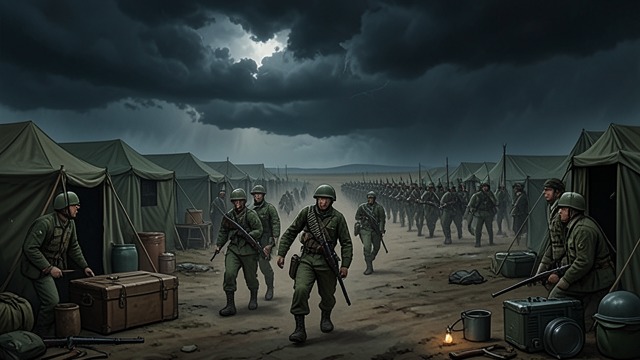
The Counteroffensive
A shift in momentum
The new Angolan government and its allies build their forces and begin pushing back against the FNLA and UNITA armies. What once seemed close to collapse becomes a contest that the MPLA can continue to fight.
No simple ending
The change in battlefield fortunes does not erase the damage or end political division. A military reversal is only one stage in a war whose roots and consequences extend beyond the capital.
The South African Withdrawal
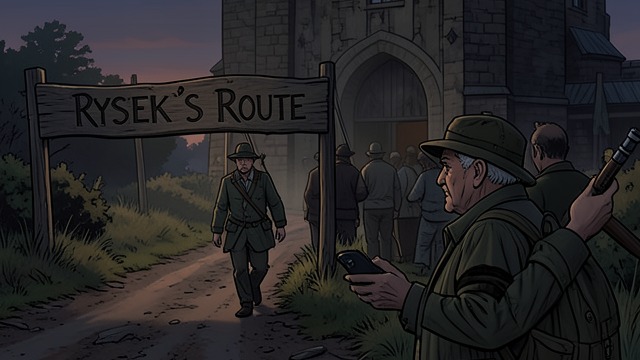
The South African Withdrawal
A road revisited
South African troops withdraw along a route Rysiek remembers from his dangerous journeys with Diogenes and Comandante Farrusco. The movement provides a measure of military change, but the road remains charged with memories of ambush and fear.
Uneven survival
Rysiek records that some people survived while others, including Antonio, Carlos, Comandante Ndozi, and Comandante Monti, did not. A retreating army cannot restore those lost to mines, battles, and the war's slow attrition.
A War Still Burning
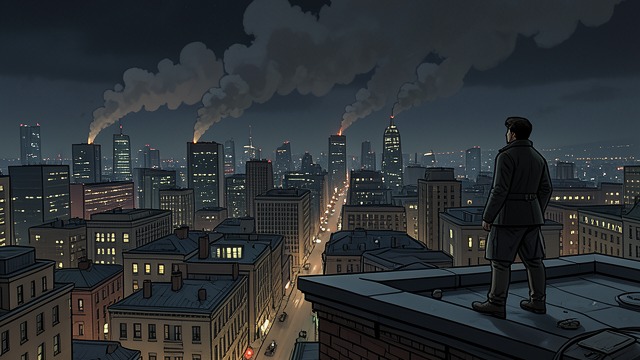
A War Still Burning
The author's later reckoning
The closing perspective looks beyond the immediate campaign to the Angolan Civil War period. Foreign armies depart, yet Angolans remain caught in a divided country where political and economic power sustain renewed fighting.
Memory without closure
Rysiek wonders what became of the people he knew and imagines their children inheriting the conflict. The end of his assignment is not the end of the story; the war's continuation makes every remembered farewell provisional.
December 1975 to January 1976
27 March 1976
1976 to 2000
