
The Front Everywhere
Another Day of LifeThis flow follows the dissolution of a stable front line in a sparsely populated country where any road can become a battlefield.
increasing Bearing strength in each event
 decreasing
Bearing strength in each eventdecreasingCheckpoints in the Bush
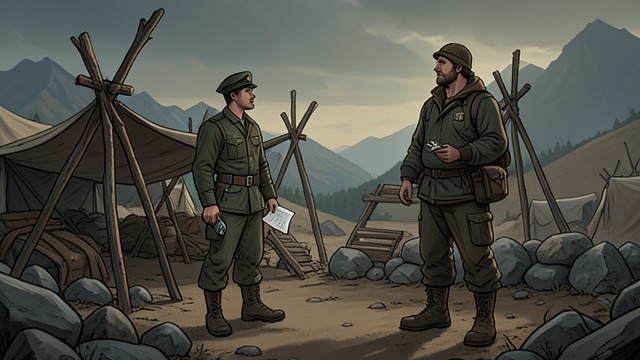
Checkpoints in the Bush
Authority improvised
Rysiek encounters checkpoints made from drums, stones, branches, or whatever materials are available. The guards may be soldiers, local militia, or children, and uniforms offer little help in identifying them.
Passage as negotiation
Travelers must explain who they are, show a pass, and wait for the sentries to decide. Movement depends less on a fixed system than on local authority and the visitor's ability to read a dangerous encounter.
The Word That Saves
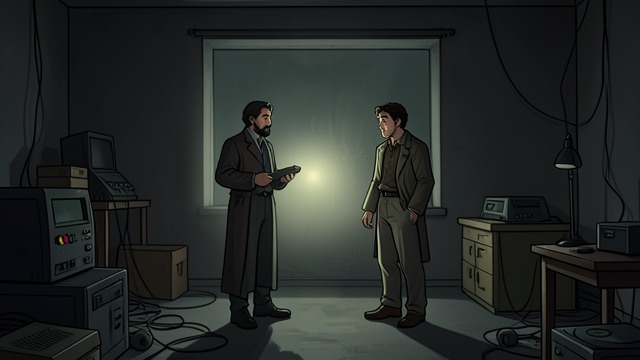
The Word That Saves
A dangerous greeting
Near the front, a traveler must guess whether sentries identify each other as camarada or irmão. The wrong greeting may expose a person to immediate violence.
Words as survival tools
Rysiek describes a deliberately ambiguous greeting that keeps open the possibility of retreating into the other word. The scene shows how speech becomes both political identity and a practical means of staying alive.
The Moving Front
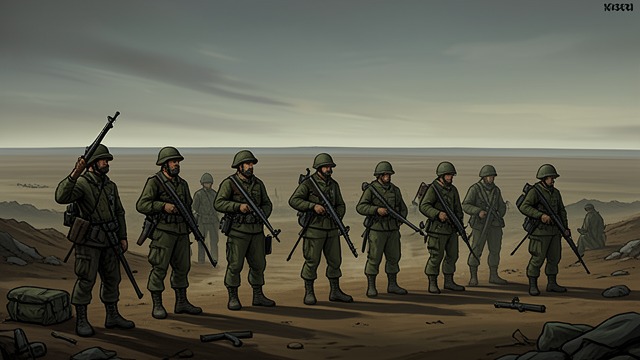
The Moving Front
Points instead of lines
Comandante Farrusco explains that distance, scarcity of water, and too few soldiers make a continuous front impossible. Each unit is a potential front that may become real when it meets an enemy.
A war of chance
A traveler can cross the country unharmed or die close to the same spot. The absence of stable boundaries makes military knowledge provisional and turns movement itself into a gamble.
October 1975
At an uncertain wartime checkpoint
October 1975, near Humbe
