Alberto Ribeiro
Another Day of LifeAlberto Ribeiro is a thirty-year-old engineer whose work on the pumping station supplying Luanda makes him one of the people on whom the city’s survival depends. In a besieged capital where water infrastructure lies on the front line, his ability to repair the pumps is not background labor but a condition of civilian life and military resistance.
Identity and Work
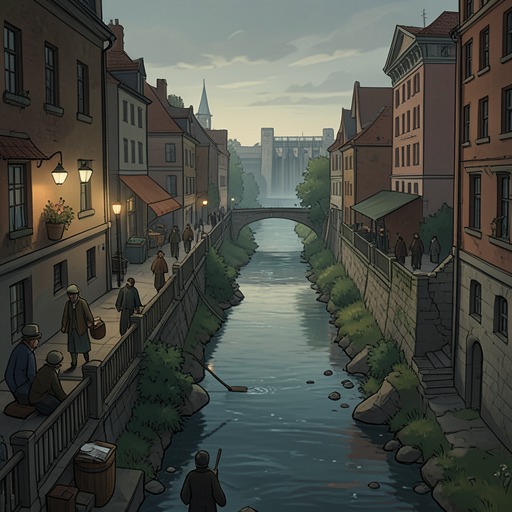
Ribeiro is described as short and heavy-set. The account gives little personal history beyond his age and profession; it defines him instead through a specific responsibility: he is the only person who can repair the pumps at the station on the Bengo River, north of Luanda. When the pumps work, the station supplies the city. When they fail, the consequences reach across the capital.
The Pumping Station and the City
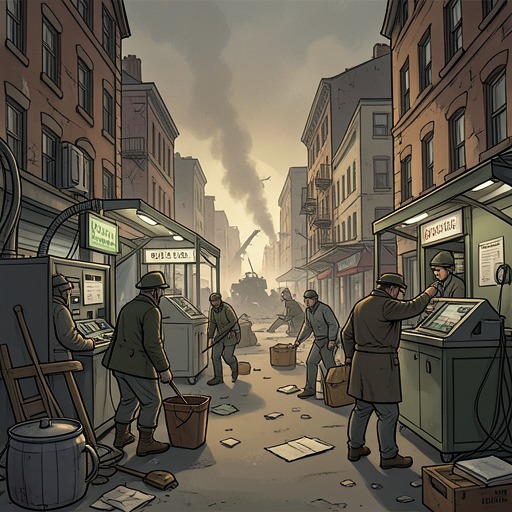
The enemy repeatedly bombards the station because its role in Luanda’s water supply is understood. Shells sometimes hit the pumps and stop them. Ribeiro’s repairs restore the supply, but only intermittently: the station is exposed to renewed attack, and the city’s access to water remains precarious. The narrator describes this vulnerability elsewhere as a recurring condition, with water running short because stations on the front lines are repeatedly destroyed after repairs.
Luanda can last only five days without water. In the tropical climate, thirst becomes intolerable, while epidemics add another danger. Ribeiro’s technical labor therefore connects a damaged piece of infrastructure to the city’s capacity both to continue ordinary life and to defend itself. The account makes the dependency stark: if he were killed in a car accident on the way to the station or struck by a shell, Luanda would have to surrender after a few days.
Repair Amid Urban Breakdown
The failure of water supply appears in the narrator’s daily life as well as in the strategic description of the front. At the hotel, a tap produces no water; Felix explains that the city has been without it for three days and that the last wells are running dry. The narrator finds water in the kitchen, where a cook gives him some from a tin barrel. This episode does not describe Ribeiro at work, but it shows the human consequences of a supply system that cannot be relied upon, even while repairs remain essential to the city’s prospects.
Other improvised responses underline how thoroughly infrastructure has been pressed into wartime use. After the firemen abandon their station, soldiers get a fire engine working and use it to carry water to the front; because it is easy to spot, it is hit and ends up in a ditch. The episode is distinct from Ribeiro’s repair work, but it echoes the same vulnerability: moving water, like supplying it, takes place under military pressure.
A Small Consequence with Wider Stakes
The importance of Ribeiro’s repairs also enters the narrative through an unexpectedly ordinary incident. On a day when Ribeiro has fixed the pumps, water is available in the city. Dona Cartagina uses it to flush away the narrator’s newspaper clippings, collected over three months, while packing his bag. The episode turns the return of water into a small domestic fact and an immediate personal loss. At the same time, it confirms how much the city’s everyday actions depend on a repair whose larger stakes are survival and surrender.
The book presents Ribeiro less through speeches or personal scenes than through the chain of dependencies surrounding his work: a station on the front, pumps repeatedly disabled by bombardment, a city with only days of endurance without water, and repairs that allow life to continue for a time. His significance lies in this exposed connection between technical skill and collective fate.