Carlotta
Another Day of LifeCarlotta is a young MPLA soldier whose combat experience and decision to stay behind at Balombo expose the distance between the journalists’ brief visit to the front and the risks she understands from within it. The group leaves imagining that the journey is over; only later does the narrator recognize that Carlotta may have remained to protect their departure, and that they can no longer ask what happened to her.
Identity and First Appearance
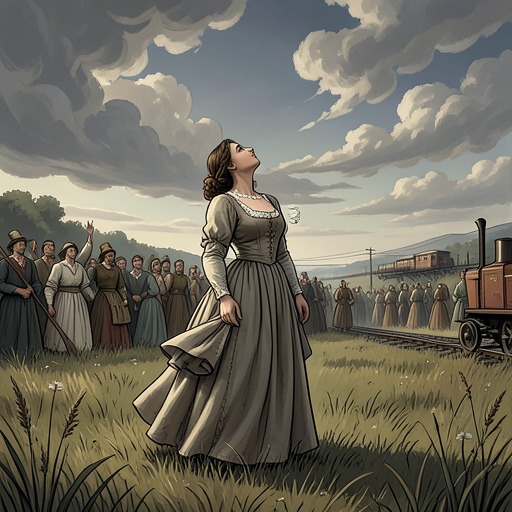
Carlotta enters the account with an automatic weapon over her shoulder and wearing a commando uniform too large for her. She is twenty, and the journalists immediately respond to her with courtship and admiration. The narrator acknowledges that her presence helped persuade the crew to leave their homes outside Lisbon and travel to the front. This first impression makes her, for the visitors, both a soldier and an attraction: they are drawn to her before they know much about her life or experience.
The few biographical details they possess are specific. Carlotta was born in Roçadas, near the border with Namibia, and had received military training in the Cabinda forest a year earlier. After the war, she hoped to become a nurse. In the car she holds her automatic across her knees; when the joking around her subsides, she becomes serious and thoughtful. The contrast between the visitors’ attention to her appearance and these glimpses of her intentions and composure marks the limits of what they know about her.
A Record of Leadership
Two months before the visit to Balombo, during the uprising in Huambo, Carlotta led a small MPLA detachment surrounded by a UNITA force of about a thousand. She broke the encirclement and brought her people out. By twenty, she had become a legend among those who knew of the episode—not because the account gives a full history of her service, but because this single feat establishes her as a capable leader in a situation of overwhelming numerical imbalance.
That record complicates the crew’s initial, admiring gaze. They are impressed by a figure whose reputation precedes her, but their knowledge remains fragmentary: birthplace, training, a hoped-for nursing career, and one decisive military episode. The account does not fill in the intervening months or explain how she came to Balombo. Instead, it lets the gap between her experience and the visitors’ curiosity remain visible.
Balombo and the Front
Balombo is a small town in forested country, repeatedly changing hands because the surrounding cover allows an enemy to approach very close before attacking. On the morning of the visit, an MPLA detachment of one hundred had taken the town. The fighting had receded into the woods but had not ended, and the devastated town contained no civilians—only the soldiers. The visitors see a position that has been occupied, not a settled or secure place.
Water is available, and some of the women soldiers have bathed; their wet hair is wound around curling papers. Carlotta reprimands them for behaving as though they were preparing for an evening out rather than remaining ready to fight. The women answer that they had been sent into the first wave because the men were reluctant to advance. The exchange gives the scene a tension absent from the visitors’ first, more admiring view of the front: the women are expected to take immediate risks, while Carlotta insists that readiness must continue after the assault. Her response is practical and disciplinary, rooted in a danger the visitors are only briefly observing.
The Decision to Stay
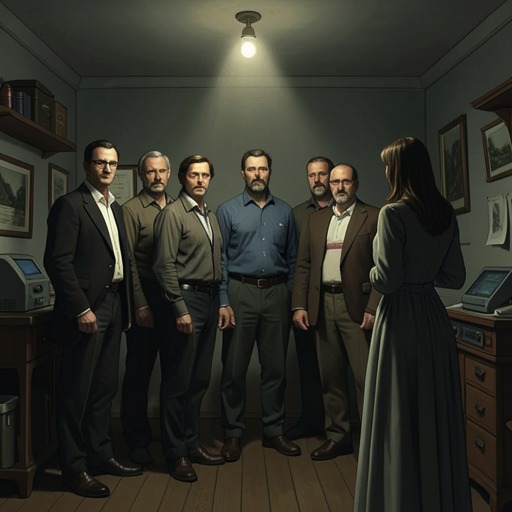
As twilight approaches, the visiting party returns to its cars. Its members are satisfied: they have been to the front, made photographs, and remained alive. Carlotta takes her place in the front of the car, as she had on the way in. Just as the driver is about to leave, she gets out and says she will stay. Alberto Ribeiro urges her to come with them, offering supper and a return to Lisbon the next day. Carlotta laughs, waves goodbye, and signals for the driver to go.
At the moment, the others do not understand her choice. Their imagined future for her is shaped by the same limited, personal attention with which they first greeted her; the narrator recalls that they had assumed she would eventually belong with one of the men. The departure instead leaves her at the front, making her decision—not their speculation—the defining action of the scene. The account does not give her an explanation at the time, and it does not claim that she made her choice for any one reason.
Retrospect and Uncertainty
After leaving Balombo, the group learns that shooting began behind them. They had driven away quickly and had not heard it start, so they had not knowingly fled. But in the deserted street later, the narrator and his companions separately consider whether they would have turned back if they had heard the gunfire, and whether they would have risked their lives as Carlotta had risked hers for them. The questions do not resolve into a verdict about what they would have done. They expose how little their grateful self-image from the visit can tell them once the danger becomes immediate.
The narrator imagines that Carlotta may have died while covering their departure, but presents this as a possibility, not a witnessed fact. Later, he interprets her choice differently: she knew that dusk was the customary time for an attack and may have stayed to organize cover for the cars. This, too, is retrospective inference. By the time the group reaches it, they cannot ask her. The account therefore leaves her precise fate and motive unconfirmed while making the cost of the visitors’ ignorance unmistakable.
Carlotta’s appearance, military record, admonition at Balombo, and final decision form a progression from being watched by visitors to acting on knowledge they lack. The surviving photographs preserve an image of her, but not an explanation of what followed. Her absence from the group’s later conversation is not evidence of a confirmed death; it is the boundary of what the narrator can know. The scene’s force lies in that boundary: the people who leave with pictures and a sense of having seen the front discover that they have not understood the choice made by the person who stayed.