Weekend Ceasefire and Collective Standstill
Another Day of LifeWeekend Ceasefire and Collective Standstill is the book’s account of a Saturday-and-Sunday pause when fighting and much of public life in Angola appear to stop together. The practice briefly suspends the war without resolving it: weapons fall silent, posts are left, and the city empties, while the reasons for the pause and the whereabouts of many people remain unclear.
Recognition of the Pause
On 18 October 1975, the narrator tried to pass on news that an advance from the south threatened the front, but his calls around Luanda went unanswered. With his sense of time already blurred by successive events, he checked the calendar and realized it was Saturday. The silence, he understood, belonged to the weekend rather than to a change in the military situation.
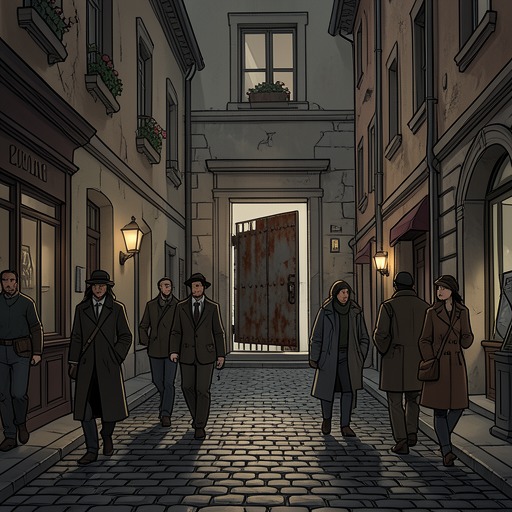
The pause extended across Saturday and Sunday. Guns fell silent; people put down their weapons and slept; sentries left their posts and observers put away their binoculars. Streets and roads emptied, headquarters and offices closed, markets lost their activity, radio stations went off the air, and buses stopped running. The breadth of the suspension made it seem to the narrator as if the country had been brought to a halt by a spell.
A Shared Truce Without a Stated Order
The narrator stresses that every side at war observed the rest. Even bitter enemies accepted one another’s claim to two days of relaxation, and the weekend temporarily overrode the divisions that otherwise organized the conflict. The account describes a shared practice, not a negotiated settlement: it offers no commander, declaration, or explicit explanation that establishes how the pause began or what enforced it.
The ceasefire did not amount to a general resolution of danger. The narrator’s attempt to relay warnings about the southern front had failed amid the weekend silence, while the surrounding account presents an ongoing war and competing claims about its course. The pause suspended combat and routine for a time; it did not make the military threat disappear.
People Missing from Public Life
The shutdown was also a disappearance. The narrator could not find even his closest friends at home or in the streets, yet had no reason to think they had left the city. Clubs, restaurants, and cafés offered no explanation for their absence. He admits that he cannot account for where people went, leaving the central mystery of the weekend intact.
This collective vanishing differs from the more visible breakdown elsewhere in the account. Portuguese refugees gather around the airport, where desperate disputes over places on evacuation flights can turn into confrontations; the police have left Luanda, and the departure of the garbagemen allows waste to accumulate. These are signs of services and social order failing unevenly. The weekend pause, by contrast, gathers enemies and civilians into a synchronized stillness whose cause remains obscure.
Narrative Significance
The episode turns a calendar discovery into a way of seeing the war’s rhythms. When the narrator cannot get an answer by telephone, the date reveals that silence itself follows a local rule: the conflict stops at the weekend even as its larger dangers persist. The account renders that rule through concrete absences—silent guns, closed offices, empty streets, missing friends—rather than through an explanation of its origins.
The result is neither simple respite nor victory. The shared rest momentarily suspends hostility, but it also leaves the narrator unable to locate the people closest to him or to communicate urgent news. The weekend thus stands as an enigmatic interval in the war: a pause everyone observes, whose limits are visible, but whose workings the book does not claim to understand.