
Antigone’s Defiance
AntigoneThis thread follows Antigone from private resolve through public defiance to the fatal price of refusing Creon’s rule.
increasing Bearing strength in each event
 decreasing
Bearing strength in each eventdecreasingThe Decree
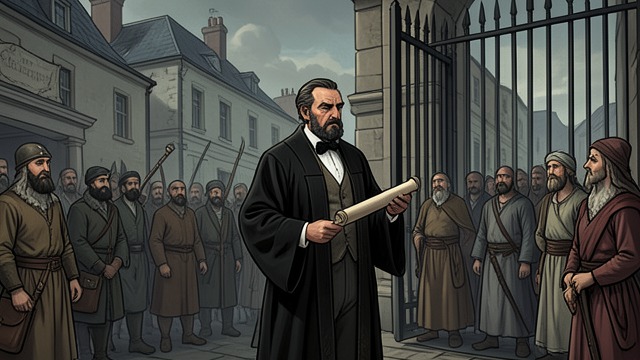
The Decree
A city in mourning
Creon orders honor for Eteocles and denies Polynices burial.
A dangerous boundary
The order turns a family duty into an offense punishable by death.
Antigone hears the boundary as a demand she cannot accept.
Private Resolve
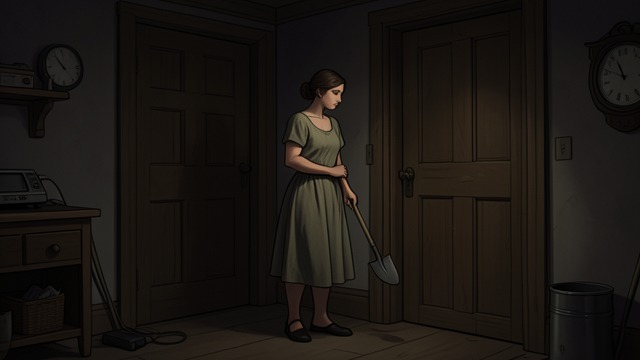
Private Resolve
Choosing action
Antigone returns from an early visit to Polynices’ body.
Alone in the choice
She knows Creon’s punishment and does not recruit Ismene.
The decision begins as a quiet obligation, not a public campaign.
First Burial
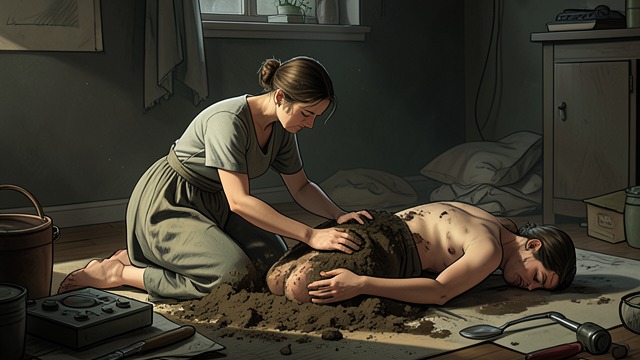
First Burial
A small rite
Antigone uses Polynices’ small shovel to scatter earth over her brother.
A limited victory
The gesture grants him the burial she believes he deserves, but guards discover it.
Her act has crossed from intention into evidence.
Second Attempt

Second Attempt
No retreat
Antigone returns and covers the exposed body with her bare hands.
Arrest in daylight
Jonas catches her before she can finish and takes her to the palace.
Her persistence makes concealment impossible and brings the dispute before Creon.
Refusal at Court
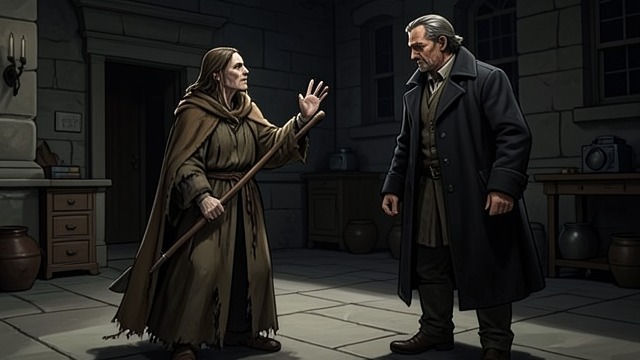
Refusal at Court
Naming the act
Antigone admits what she did and refuses Creon’s offer of escape.
A chosen consequence
She insists that she will repeat the burial, though she understands the danger.
Creon’s private attempt to spare her collapses under her open defiance.
Public Condemnation
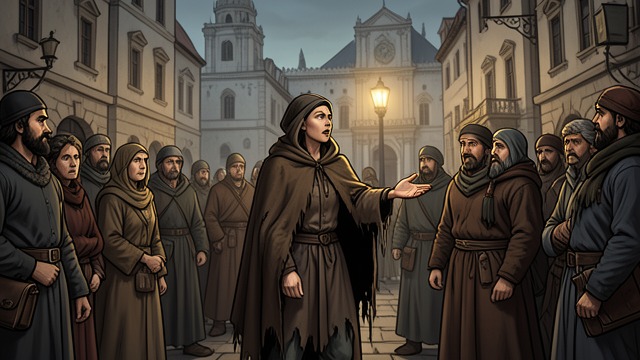
Public Condemnation
No silence
Antigone rejects Creon’s arguments and invites the palace to hear her.
No political retreat
With the city aware of her deed, Creon says he has no choice but to punish her.
Private resistance has become a public sentence.
The Sealed Tomb
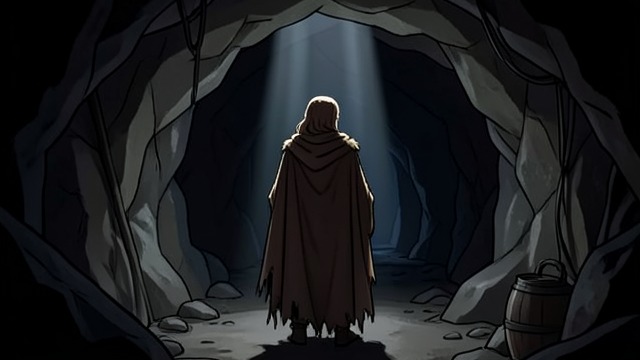
The Sealed Tomb
A living burial
Antigone is shut inside a cave instead of being executed in the city.
The final enclosure
The tomb turns Creon’s compromise into a death sentence and leaves no ordinary route back.
Her resistance ends in the fate she had repeatedly named.
The Cost of Defiance
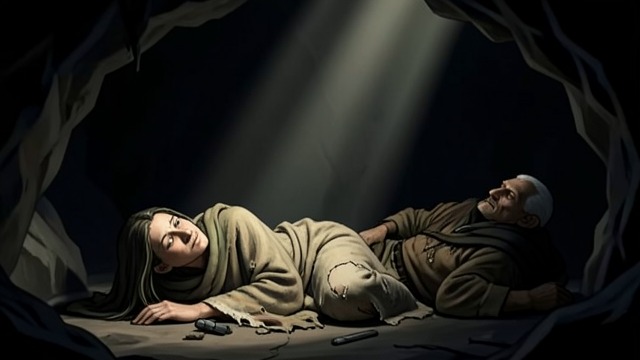
The Cost of Defiance
Death in the tomb
Antigone hangs herself before rescue reaches her.
Consequences multiply
Haemon dies beside her, and Eurydice later takes her own life.
Her refusal outlasts her, but it leaves the household and ruler devastated.
After the brothers’ deaths
Before dawn, the morning after the decree
The previous night
At noon, after the guards uncover the body
After her arrest, in the Palace of Thebes
After Antigone confronts Creon before witnesses
Near the ending, after the sentence is carried out
At the climax and its immediate aftermath
