
Creon and the State
AntigoneThis thread examines Creon’s practical theory of leadership and the point at which public order becomes a personal and familial catastrophe.
increasing Bearing strength in each event
 decreasing
Bearing strength in each eventdecreasingThe Scholar Becomes King
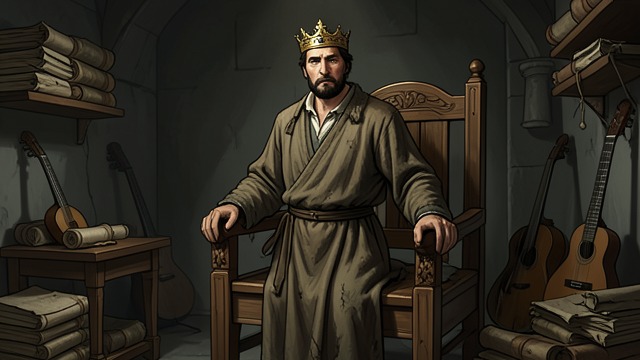
The Scholar Becomes King
A changed life
Creon abandons music, manuscripts, and antiquities to take the throne.
Rule as labor
He understands leadership as a difficult daily profession rather than an adventure.
His sense of duty shapes every later defense of his choices.
Order Through Punishment
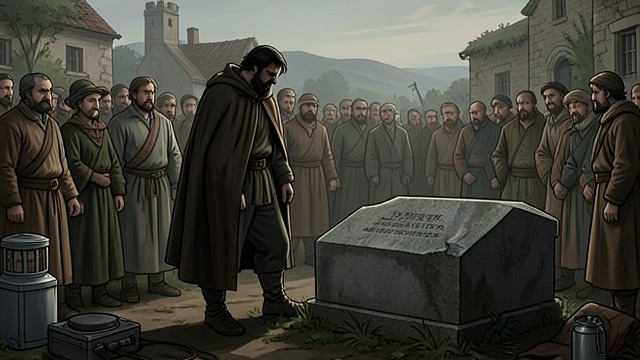
Order Through Punishment
A warning to the city
Creon denies Polynices burial to make the cost of treason unmistakable.
The ruler’s compromise
He dislikes the stench but uses it as political instruction.
His practical reasoning creates a collision with Antigone’s moral certainty.
A King Hesitates
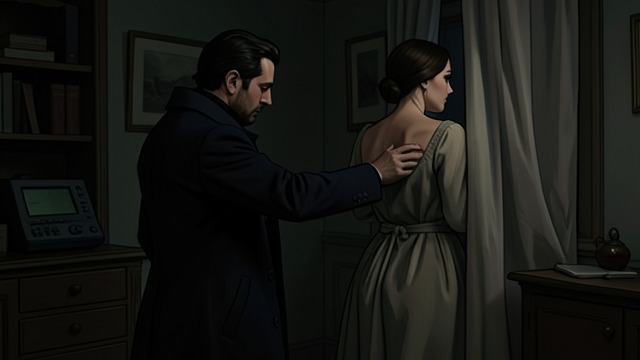
A King Hesitates
A concealed pardon
Creon offers Antigone a way to deny the act and live.
Personal affection intervenes
He recalls loving her and wants her to marry Haemon.
His hesitation shows that royal authority is not emotionally effortless.
Authority Becomes a Trap
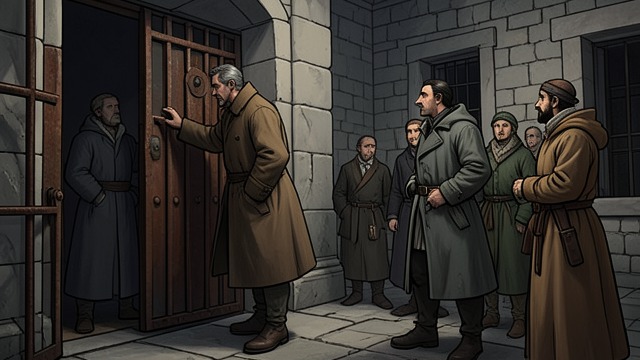
Authority Becomes a Trap
A law he cannot evade
Creon claims the city knows of the offense and he must enforce his own decree.
Responsibility without freedom
He argues that a ruler must steer through crisis, even when choices are ugly.
The defense also exposes how power can confine its holder.
The Cost of Rule
The Cost of Rule
A bereaved survivor
Creon learns that his son and wife are dead and calls the day rough.
Work resumes
He goes to a council meeting, leaning on the Page.
His endurance preserves office but cannot restore the family he sacrificed.
After the old royal household collapses
After Thebes defeats the invading princes
Immediately after Antigone’s arrest
After Antigone refuses silence
After Haemon and Eurydice die
