
Eurydice’s Silent Life
AntigoneThis thread follows Eurydice’s quiet presence in the household and the sudden, private conclusion of her life.
increasing Bearing strength in each event
 decreasing
Bearing strength in each eventdecreasingThe Woman Knitting
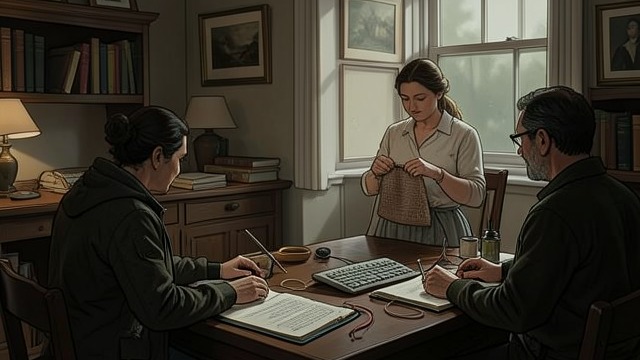
The Woman Knitting
A quiet presence
Eurydice knits beside the Nurse while the other characters occupy the room.
Work without political voice
The Chorus describes her as kind and loving but unable to help Creon.
Her stillness gives the household a domestic center.
The Routine Continues
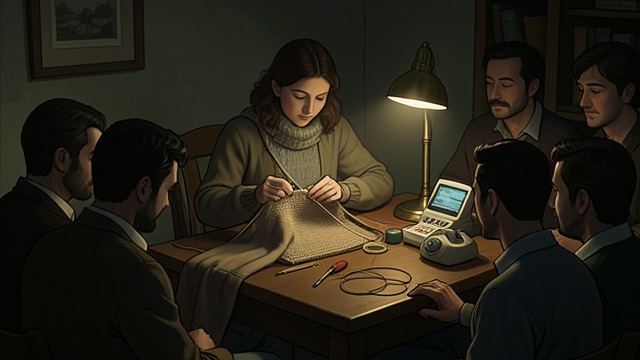
The Routine Continues
Small acts of care
Eurydice’s knitting and concern for the poor define her ordinary life.
A contrast with rule
Her domestic world stands apart from Creon’s public responsibilities and Antigone’s rebellion.
The play makes her quietness easy to overlook until loss gives it weight.
News of Haemon
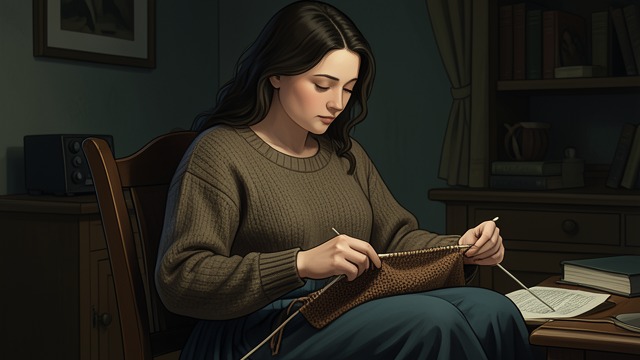
News of Haemon
Grief without spectacle
Eurydice learns that her son has died and finishes her row of knitting.
Deliberate composure
She sets down her needles carefully before returning to her room.
The controlled gesture signals a grief that others only understand afterward.
The Lavender Room
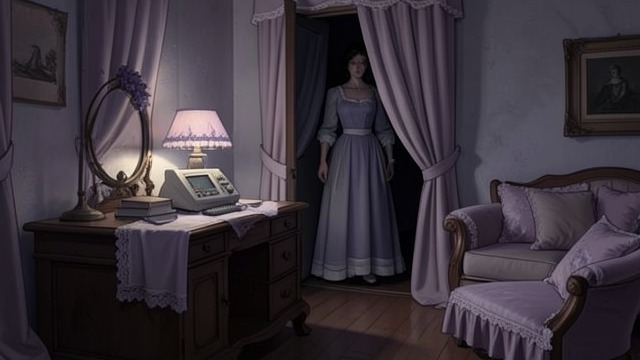
The Lavender Room
A private retreat
Eurydice returns to her lavender-scented room and its familiar cushions and lace.
A domestic setting altered
The room associated with ordinary comfort becomes the site of her final act.
The household’s quiet order cannot contain her grief.
The Queen’s Death

The Queen’s Death
A final decision
Eurydice cuts her throat after hearing of Haemon’s death.
Consequence for Creon
Her death leaves Creon alone with the rule he chose to preserve.
The quietest character’s loss completes the destruction of his family.
At the opening tableau
During the opening account of the household
After Haemon’s death is reported
Shortly after she hears the news
Near the end, before Creon returns to public duty
