
The Burial of Polynices
AntigoneThis thread traces the contested burial from Creon’s prohibition through Antigone’s repeated rites and the continuing uncertainty of justice.
increasing Bearing strength in each event
 decreasing
Bearing strength in each eventdecreasingA Denied Rest
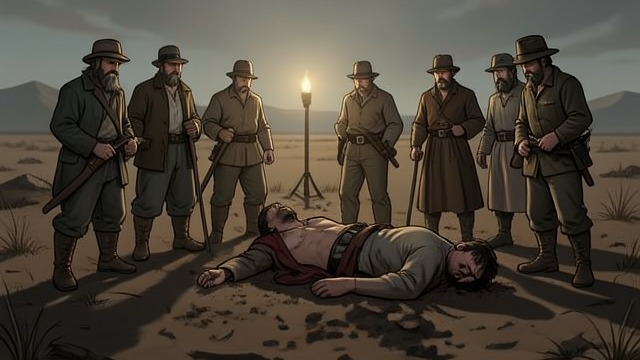
A Denied Rest
The exposed body
Creon orders Polynices left for scavengers as a traitor to the city.
The threat behind it
Anyone performing funeral rites faces death.
The corpse becomes a deliberate warning visible to the whole community.
The Duty of Kin
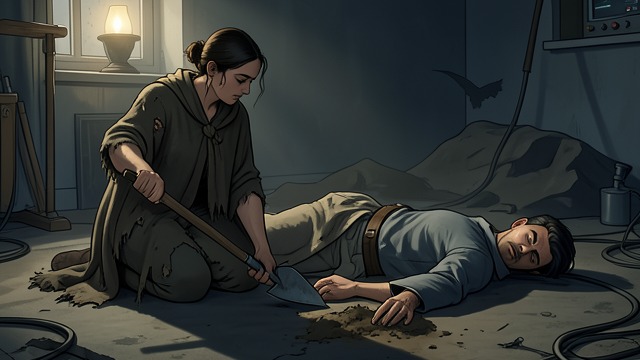
The Duty of Kin
A familial claim
Antigone says the dead deserve rest and treats burial as an obligation.
A sacred understanding
She imagines Polynices returning to the family dead in Hades.
Her belief makes the decree morally subordinate to the duty she recognizes.
The First Covering
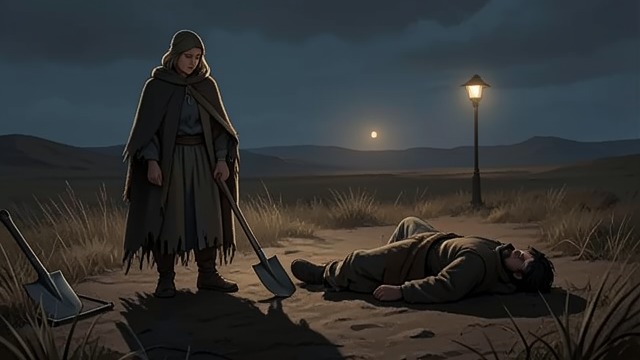
The First Covering
A modest rite
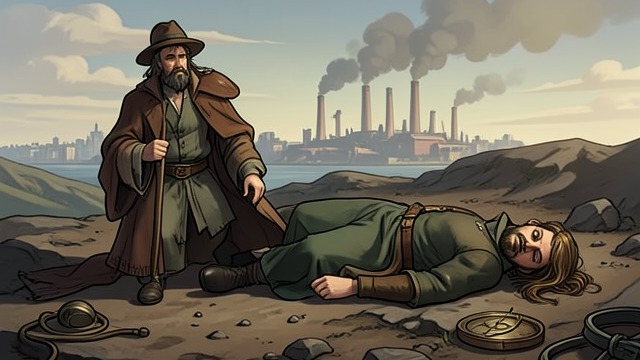
Antigone puts a little earth on Polynices’ body with his small shovel.
Discovery
The guards find the covering and remove it, but cannot identify its author.
The rite is physically slight and politically explosive.
Bare-Handed Burial
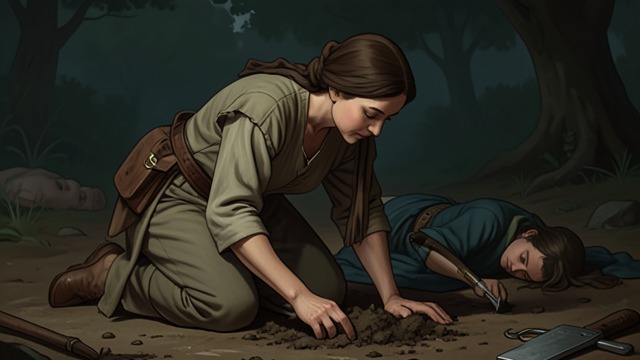
Bare-Handed Burial
Repetition after erasure
After the guards uncover the corpse, Antigone returns and digs with her fingers.
An unmistakable act
Jonas sees her working and arrests her.
The second attempt demonstrates that the first was not a mistake or a momentary impulse.
Creon’s Political Body
Creon’s Political Body
Public sanitation
Creon admits he would bury Polynices to stop the stench, but keeps the body exposed to teach Thebes a lesson.
Order over kinship
For him, the corpse serves state authority rather than private mourning.
The burial dispute reveals the human cost of governing through spectacle.
An Uncertain Brother
An Uncertain Brother
The hidden history
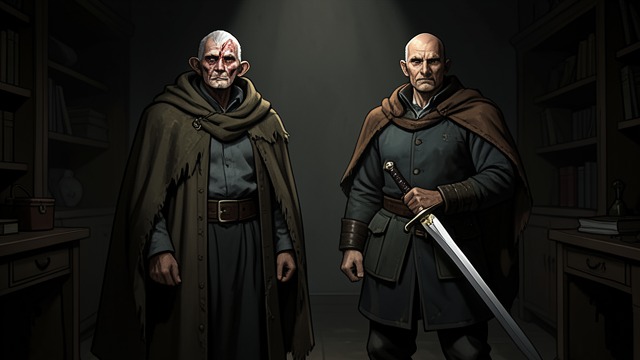
Creon reveals that both brothers betrayed their father and sought power.
A damaged ideal
Antigone learns that her memory of Polynices may rest on an incomplete story.
The burial duty remains, even when the brother’s virtue does not.
Rites Beyond the Decree
Rites Beyond the Decree
The body persists
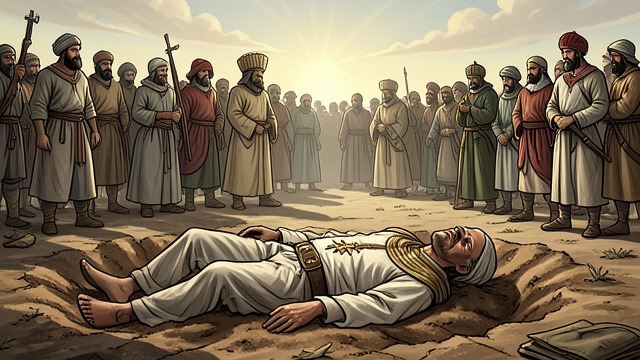
The exposed corpse first defies the city through its smell and its presence.
A private end
Creon eventually says the dead lovers have been washed and laid together.
Public orders cannot prevent the dead from becoming the focus of grief and ritual.
Immediately after the battle for Thebes
Before dawn on the first morning
During the night before Antigone’s return home
At noon on the day Antigone is arrested
During Creon’s argument with Antigone
During the long confrontation, before Antigone’s final sentence
After Antigone is taken away
