
Antigone and Polynices
AntigoneThis thread traces how Antigone’s loyalty to Polynices survives both his disgrace and Creon’s revelation of the brothers’ betrayals.
increasing Bearing strength in each event
 decreasing
Bearing strength in each eventdecreasingThe Gifted Paper Flower

The Gifted Paper Flower
A childhood encounter
Polynices finds the young Antigone hiding behind a door and gives her a large paper flower.
Memory preserved
She keeps it, making a brief act of kindness part of her lasting image of him.
The flower becomes an emotional counterweight to harsher accounts.
The Forbidden Brother
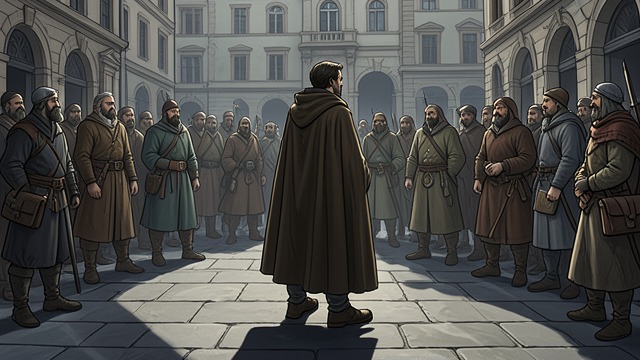
The Forbidden Brother
A political label
Creon calls Polynices a traitor and refuses him funeral rites.
A family name remains
Antigone answers that he is her brother, refusing to let public disgrace end the bond.
Her loyalty is rooted in kinship rather than a claim that he was virtuous.
Burial as Care
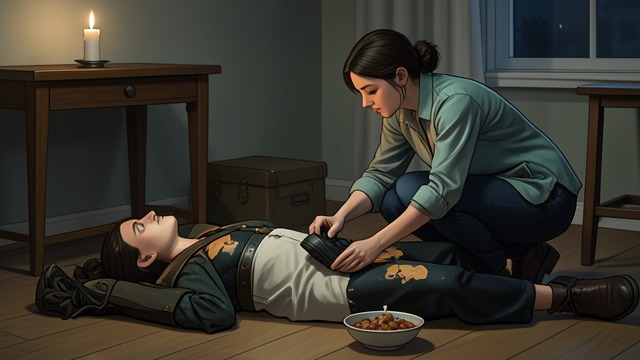
Burial as Care
A sibling’s last service
Antigone imagines removing Polynices’ shoes, bringing him food, and making his bed.
A rite of belonging
She sees burial as his return to the family and a chance to rest.
The language of care makes the forbidden act intimate rather than abstract.
The Story Challenged

The Story Challenged
Memories under pressure
Creon describes Polynices as cruel, reckless, and willing to betray his father.
Affection does not vanish
Antigone protests, then admits some facts, but the revelation does not erase her bond.
Her attachment is tested as a relationship, not an endorsement of his politics.
A Brother at Rest

A Brother at Rest
The moral claim remains
Antigone has heard that both brothers were corrupt, yet she has already buried Polynices.
Kinship beyond reputation
Her action insists that even a flawed dead person deserves rest and family care.
The bond survives the collapse of an uncomplicated heroic memory.
Years before the play, after a night out
After Creon’s decree is announced
During Antigone’s first night at the body
During Creon’s account of the brothers’ past
After Creon reveals the brothers’ shared treachery
