
Creon and Antigone’s Contest
AntigoneThis thread traces a conflict that shifts from a ruler’s attempted rescue to an explicit contest over consent, law, and power.
increasing Bearing strength in each event
 decreasing
Bearing strength in each eventdecreasingThe First Interrogation
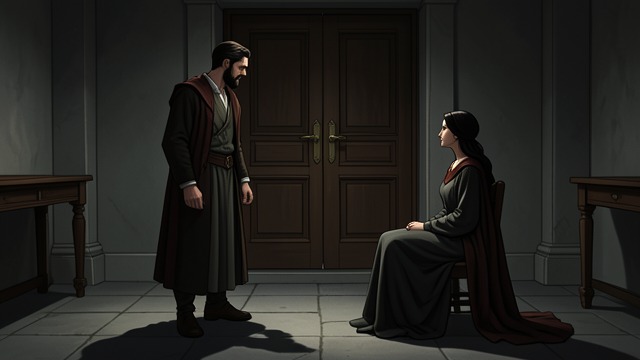
The First Interrogation
Facts established
Creon asks whether Antigone buried the body and whether anyone helped her.
A private alternative
He offers her a chance to return to her room and say nothing.
Their conflict initially leaves room for discretion.
The Motive Disputed
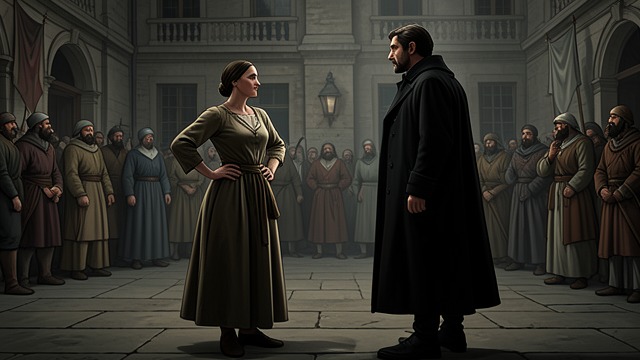
The Motive Disputed
Kinship against law
Antigone says she buried her brother because she had to.
The king’s interpretation
Creon suggests she expected royal privilege to protect her.
Each tries to define the act before its public meaning is fixed.
Political Argument
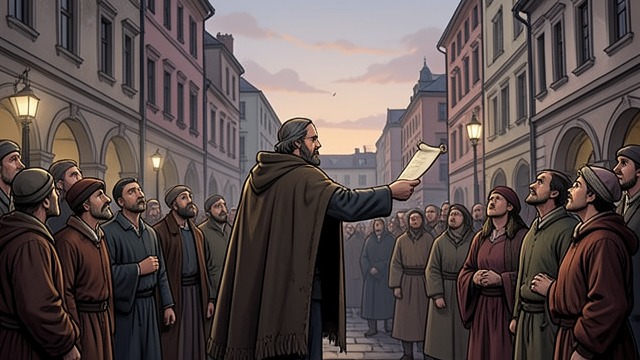
Political Argument
Rule as communication
Creon argues that the city must smell Polynices to understand the consequences of treason.
Antigone rejects utility
She condemns the policy as disgusting and refuses to treat citizens as a herd.
The disagreement becomes a clash between order and moral refusal.
No Means No
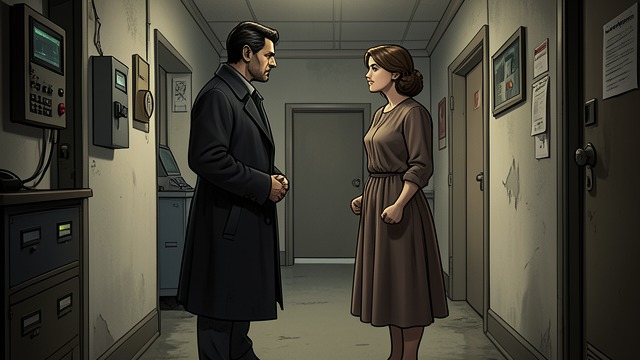
No Means No
A divided ethic
Creon defends the burden of saying yes to governing; Antigone says she is here to refuse.
Power meets consent
She claims he can kill her but cannot make her accept his reasoning.
Their argument turns into a direct confrontation over the limits of rule.
An Ending Enforced
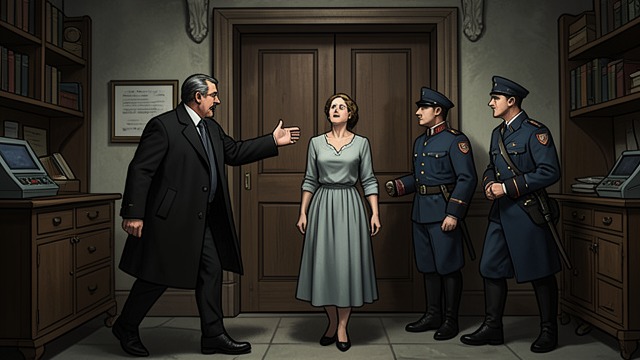
An Ending Enforced
The last command
Creon calls the guards when he can no longer silence Antigone by argument.
Relief and defeat
Antigone welcomes the order, while Creon watches his effort to save her end.
The conflict is resolved through force, not agreement.
After Antigone is brought before Creon
During their first private exchange
After Creon explains why the corpse remains exposed
During the central argument over saying yes and no
After the public confrontation in the palace
