
Antigone’s Inner Conflict
AntigoneThis thread follows the tension between Antigone’s love of life, her refusal to compromise, and the fear that surfaces before death.
increasing Bearing strength in each event
 decreasing
Bearing strength in each eventdecreasingThe Girl Who Loves Morning

The Girl Who Loves Morning
Attention to life
Antigone notices the sleeping garden and the changing color of the dawn.
A contradiction begins
She speaks with delight even though she knows she is acting toward death.
The play establishes that her defiance is not simple indifference to living.
Fear Accepted
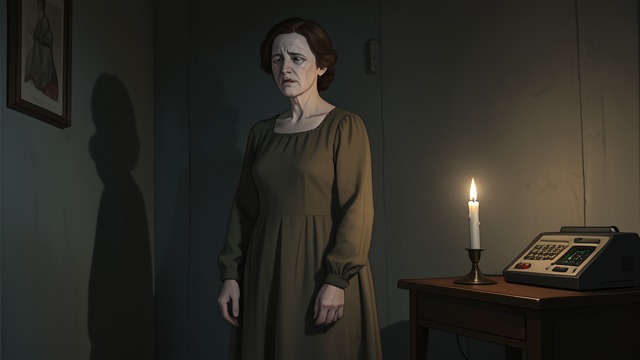
Fear Accepted
Bravery questioned
Antigone admits she is not brave, then asks what difference that makes.
Action despite fear
She understands the danger and acts without claiming heroic confidence.
Her choice is difficult precisely because life remains precious.
The Dream of Happiness
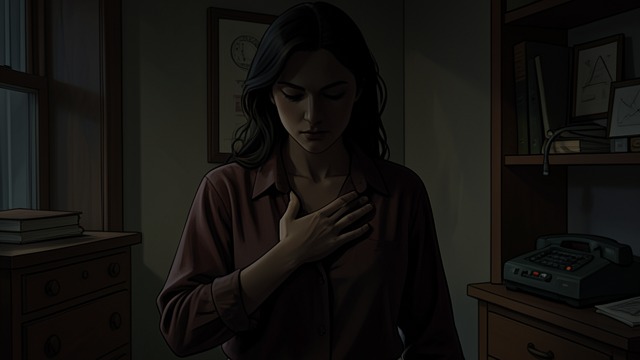
The Dream of Happiness
A possible retreat
Creon urges Antigone to marry Haemon and value the life still ahead of her.
The future interrogated
Antigone asks what compromises happiness would demand of her.
The proposed rescue becomes a challenge to the kind of life she can accept.
Nothing or Everything

Nothing or Everything
An absolute demand
Antigone wants life to remain wholly precious and complete, not reduced to scraps.
Compromise rejected
She says that without such certainty she would rather die.
The demand clarifies her motive while making survival harder to imagine.
Fear in the Waiting Room
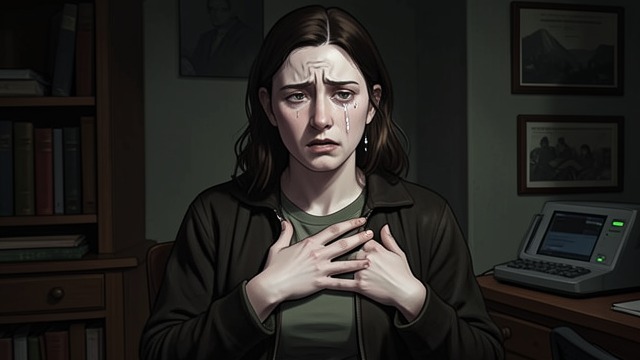
Fear in the Waiting Room
Certainty falters
Antigone says she no longer knows why she is dying and is afraid.
A human ending
She revises her message to Haemon and asks only for forgiveness.
Her fear does not cancel her defiance; it reveals the cost of sustaining it.
Before sunrise on the opening morning
During Antigone’s exchange with Ismene
After Creon reveals the brothers’ history
Near the height of the confrontation
Shortly before the execution detail arrives
