
The Story of the Brothers
AntigoneThis thread traces how competing accounts of Eteocles and Polynices reshape Antigone’s understanding without undoing the political crisis.
increasing Bearing strength in each event
 decreasing
Bearing strength in each eventdecreasingThe Official Division
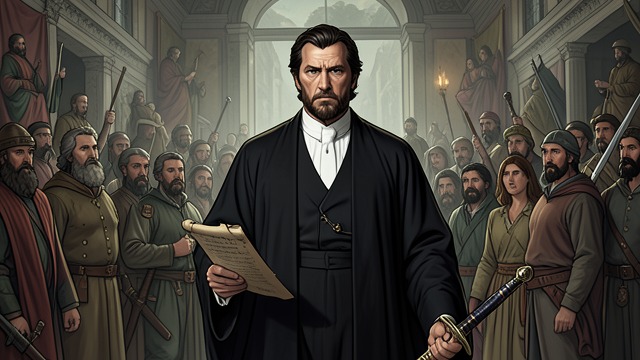
The Official Division
Hero and traitor
Creon publicly honors Eteocles and condemns Polynices.
A simple account imposed
The city receives a sharp moral division that makes the aftermath easier to govern.
The brothers’ complicated lives are reduced to civic symbols.
Antigone’s Memory

Antigone’s Memory
A sister’s image
Antigone recalls Polynices returning in evening clothes and giving her a paper flower.
A bond preserved
The memory explains why the condemned brother remains emotionally present to her.
Private remembrance resists the city’s official label.
A Cruel Past Revealed
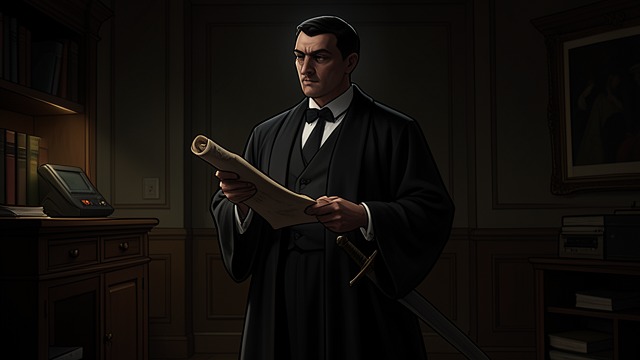
A Cruel Past Revealed
Family harm
Creon describes Polynices striking Oedipus and leaving for the Argive army.
Antigone’s protest
She rejects the account, then acknowledges that some of the events are true.
The revelation makes loyalty harder but does not remove it.
The Second Betrayal
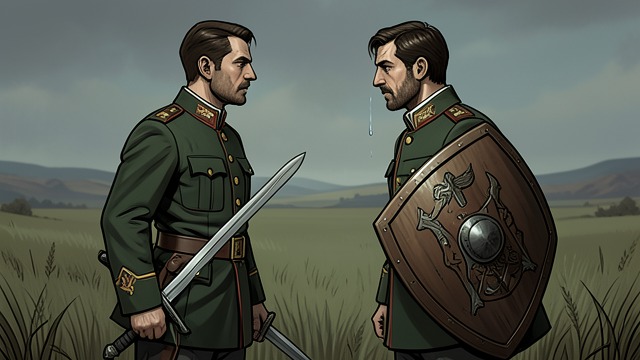
The Second Betrayal
Both brothers compromised
Creon says Eteocles also plotted against Oedipus and intended to sell Thebes.
The public story exposed
The state funeral’s moral certainty is revealed as a political construction.
Neither brother remains a clean symbol of virtue or treason.
Belief Without a Hero
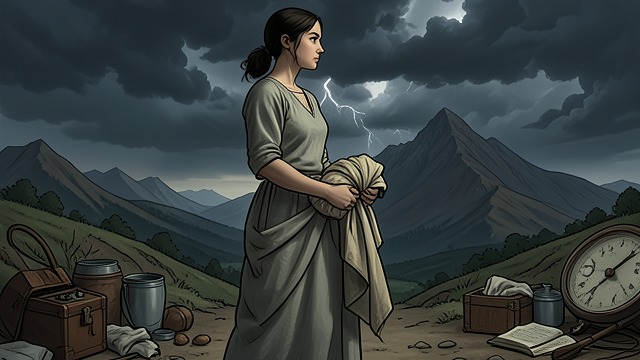
Belief Without a Hero
Antigone’s response
She asks why Creon told her and says she believed the story she had inherited.
Duty after disillusionment
The truth about the brothers does not reverse her burial or settle her grief.
The conflict shifts from defending a hero to honoring a dead relative.
After the battle, at the state funeral
During Creon’s confrontation with Antigone
During Creon’s long account of Polynices
Later in Creon’s account
Immediately after Creon finishes his revelation
