
Tragedy and Ordinary Time
AntigoneThis thread follows the contrast between the play’s fixed tragic sequence and the everyday routines that continue around it.
increasing Bearing strength in each event
 decreasing
Bearing strength in each eventdecreasingThe Waiting Tableau

The Waiting Tableau
Ordinary activities
The characters talk, knit, and play cards before the Chorus explains the story.
Fate already present
The Messenger knows Haemon’s death before events unfold onstage.
The opening makes the ending feel both imminent and already accomplished.
The Spring Released
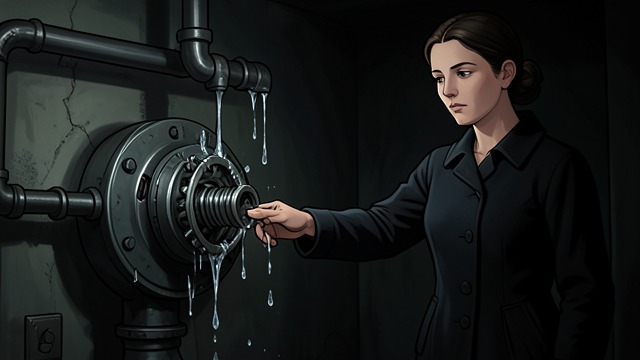
The Spring Released
A mechanism begins
The Chorus compares tragedy to a wound spring that unwinds once released.
Small acts, fixed consequences
A question, a glance, or a desire can set the sequence moving.
The image presents inevitability as a pattern built from human choices.
Roles Assigned
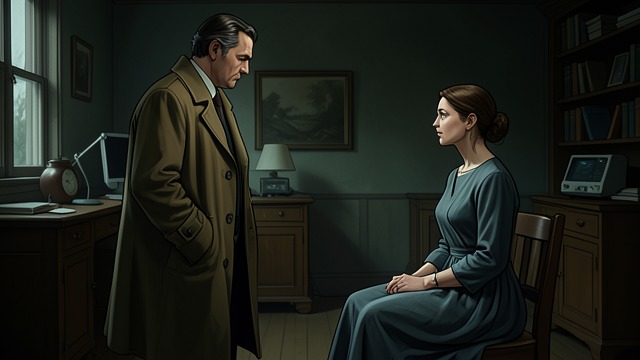
Roles Assigned
Fate described as casting
Antigone says everyone has a part: Creon must sentence, and she must bury.
Choice remains visible
Her language suggests inevitability, even as she repeatedly acts and chooses.
The play holds fate and agency in tension rather than resolving them.
Tragedy’s Clean Finish
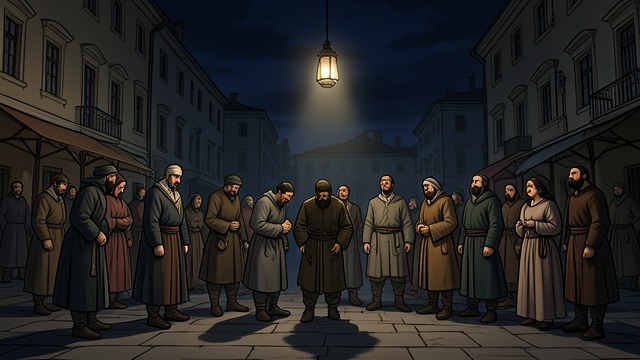
Tragedy’s Clean Finish
No escape expected
The Chorus contrasts tragedy with melodrama, where hope and rescue might interrupt disaster.
Speech without practical gain
Once trapped, the characters can only shout what they have never admitted.
The form makes the catastrophe feel lucid, severe, and irreversible.
Cards Continue

Cards Continue
Routine outlasts catastrophe
The guards sit with their beer and resume playing cards.
A cold ending
Their workaday attention does not absorb the royal family’s deaths.
The play closes on ordinary time continuing beyond tragic meaning.
At the opening of the play
After the guard brings Antigone to the palace
During Antigone and Ismene’s first debate
During the Chorus’s reflection before the arrest scene
After the final Chorus speech
