
Creon’s Rule
AntigoneThis thread follows Creon’s effort to impose order, his personal attempt to spare Antigone, and his isolation after enforcing the law.
increasing Bearing strength in each event
 decreasing
Bearing strength in each eventdecreasingTaking the Crown
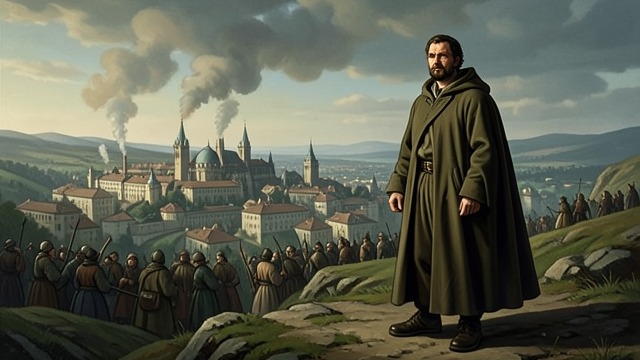
Taking the Crown
Work instead of inheritance
Creon sets aside his books and assumes the difficult work of rule.
A practical ideal
He wants to restore order to a city damaged by dynastic conflict.
His authority begins as duty rather than personal ambition.
The State Funeral
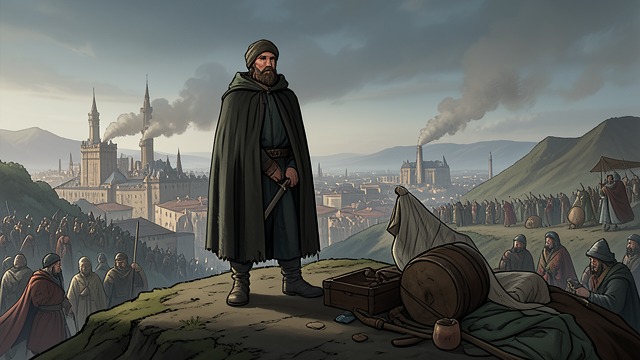
The State Funeral
A public narrative
Creon honors Eteocles as a loyal son and civic hero.
Political necessity
He later admits the honors were not an honest account of either brother.
The ceremony shows how rule turns complicated lives into usable public stories.
The Burial Decree
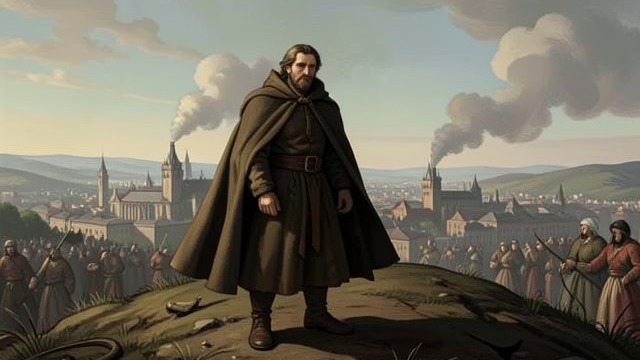
The Burial Decree
Drawing a line
Creon forbids rites for Polynices and threatens anyone who disobeys.
A test of authority
He treats the order as necessary to teach the city what treason costs.
The policy creates the crisis he will later struggle to contain.
A Secret Escape
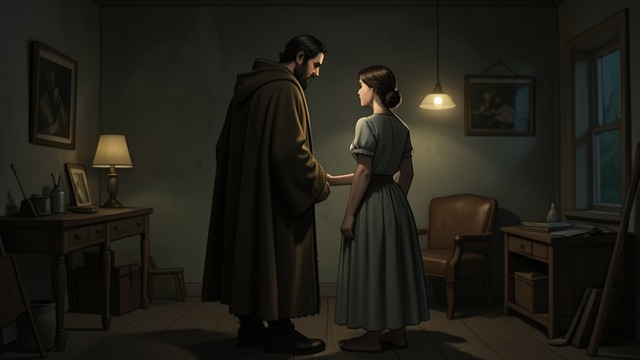
A Secret Escape
An offer of silence
Creon proposes that Antigone return to her room and deny what happened.
Protecting the household
He is prepared to conceal the guards’ knowledge to save his niece.
His compassion is real, but it depends on her abandoning her defiance.
The Law Takes Hold
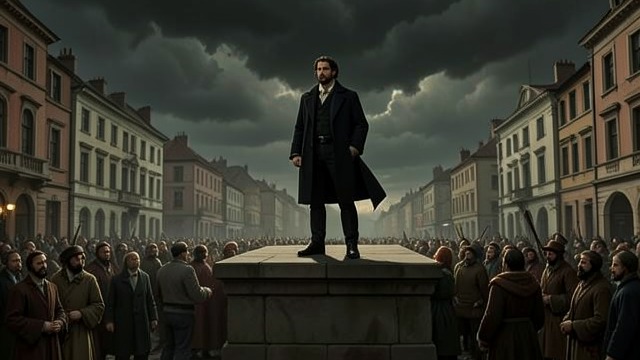
The Law Takes Hold
A public constraint
Creon argues that the city now knows Antigone’s act and will question any leniency.
Authority’s paradox
He calls himself master under the law, not above it.
The king’s power narrows as his own decree becomes politically binding.
The Ship in the Storm

The Ship in the Storm
Rule as emergency labor
Creon compares governing to steering a ship taking on water.
The sacrifice he accepts
He claims a ruler must act without time for perfect moral distinctions.
The metaphor explains his choices without making their consequences disappear.
The Empty Palace
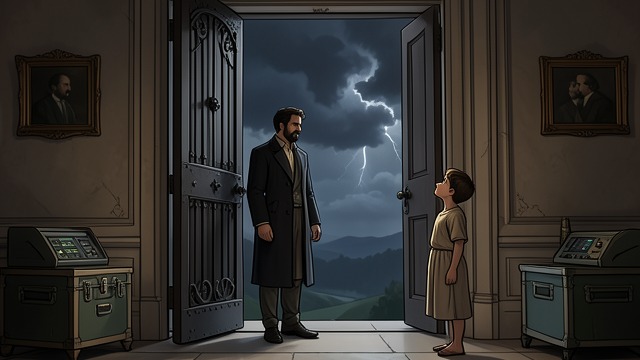
The Empty Palace
Survival without victory
Creon returns to his duties after losing his son and wife.
Work as endurance
He tells the Page that someone must do the dirty job of ruling.
The king continues, but the order he preserves offers no comfort.
After Oedipus and his sons have died
The day before Antigone is arrested
After the battle and before Antigone’s first burial
Immediately after Antigone’s arrest
After Antigone speaks openly in the palace
During the confrontation, before Antigone’s condemnation
After the deaths of Antigone, Haemon, and Eurydice
