
The Dead and Their Rites
AntigoneThis thread traces the meaning of burial as care, sacred duty, civic ritual, and contested political performance.
increasing Bearing strength in each event
 decreasing
Bearing strength in each eventdecreasingA Ritual Forbidden
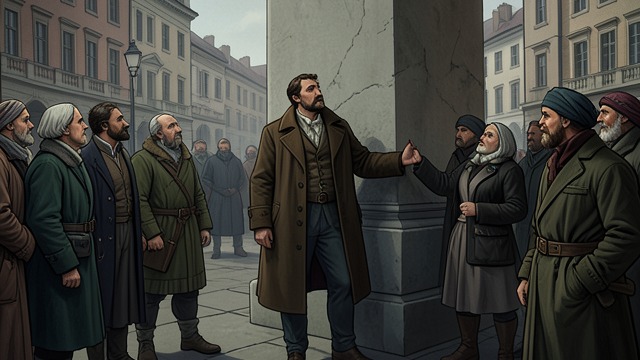
A Ritual Forbidden
The state draws a boundary
Creon forbids anyone to perform funeral rites for Polynices.
Punishment attaches to mourning
The decree makes burial a visible challenge to political authority.
A customary act becomes an offense with a death sentence.
A Sister’s Ordinary Care
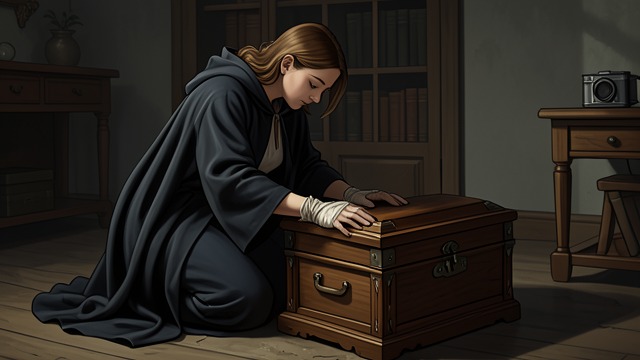
A Sister’s Ordinary Care
The dead as family
Antigone compares burial to removing a tired brother’s shoes and preparing his bed.
Rest as a right
She believes Polynices must return to the family dead and be allowed peace.
Her language makes ritual an extension of daily kinship.
Rites and Empty Words
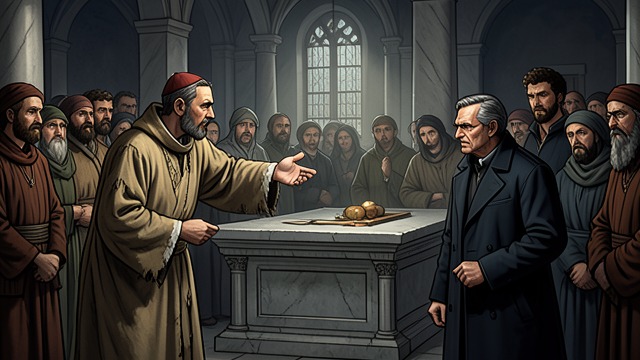
Rites and Empty Words
Institutional doubt
Creon mocks the priests’ hurried ritual and calls its words meaningless.
Antigone’s distinction
She has seen the imperfect ceremony but still insists on burial.
The disagreement separates the value of an act from the quality of its performance.
A City Asked to Smell
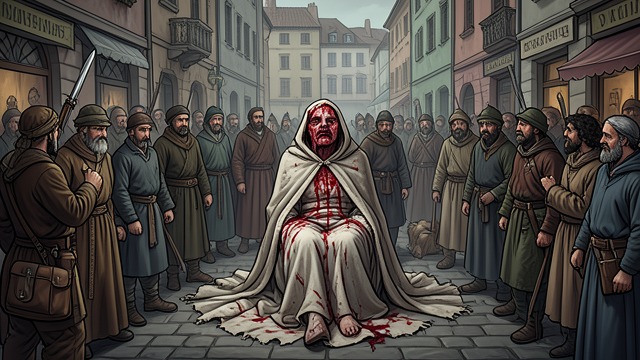
A City Asked to Smell
The corpse as lesson
Creon says the whole city must smell Polynices’ body to understand his policy.
Ritual inverted
Instead of making the dead cleanly absent, the decree keeps the body publicly present.
Political instruction takes precedence over dignity and mourning.
The Dead Laid Together
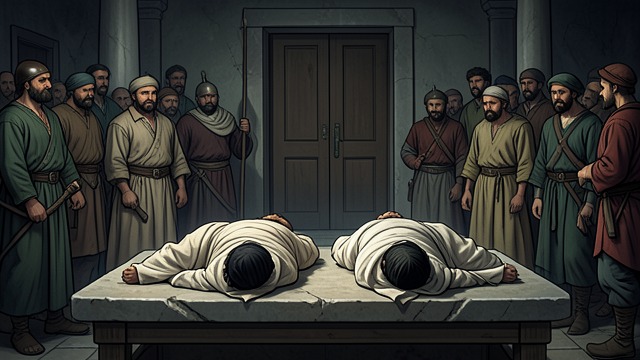
The Dead Laid Together
A final arrangement
Creon says Antigone and Haemon have been washed and laid beside one another.
Peace after violence
The burial they receive comes only after the acts that demanded it have destroyed the family.
The closing image offers care too late to save the living.
After Creon’s proclamation
During Antigone’s explanation to Creon
During Creon’s questioning of Antigone’s belief
During Creon’s explanation of the exposed body
After Haemon’s suicide
