
Silence, Speech, and the Unsaid
AntigoneThis thread traces silence as secrecy, intimacy, political containment, and the final residue left after catastrophe.
increasing Bearing strength in each event
 decreasing
Bearing strength in each eventdecreasingThe Silent Girl
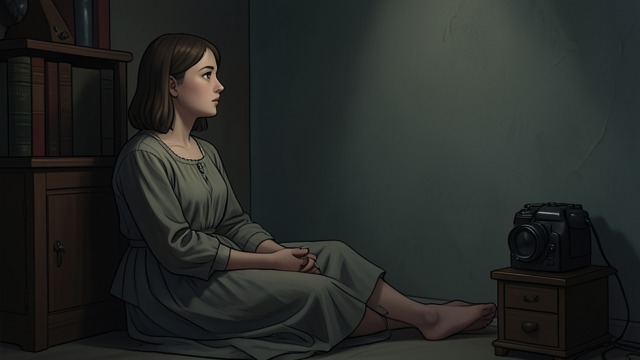
The Silent Girl
Antigone apart
The Chorus describes Antigone sitting alone, saying nothing, and staring into space.
Thought before action
Her silence contains the knowledge that she is about to become the central actor.
The still opening contrasts with the speech that will soon fill the palace.
A Secret Kept
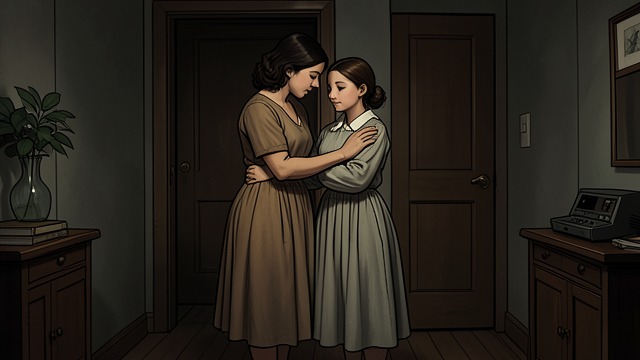
A Secret Kept
Words used as cover
Antigone lets the Nurse imagine a lover rather than explain the burial.
Tenderness inside concealment
She comforts the Nurse without disclosing the danger.
Silence is initially a form of protection for the people she loves.
Creon’s Attempt at Silence
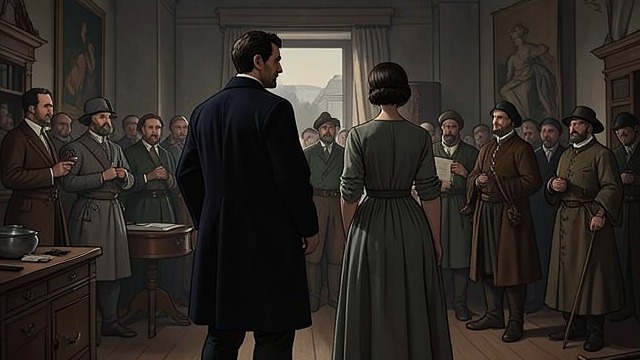
Creon’s Attempt at Silence
A private solution
Creon asks Antigone to go home, say she is ill, and keep quiet.
Public speech threatens authority
He knows that once the deed is widely known, his options will narrow.
Silence becomes a political strategy rather than a shared understanding.
Words Forced Into Public
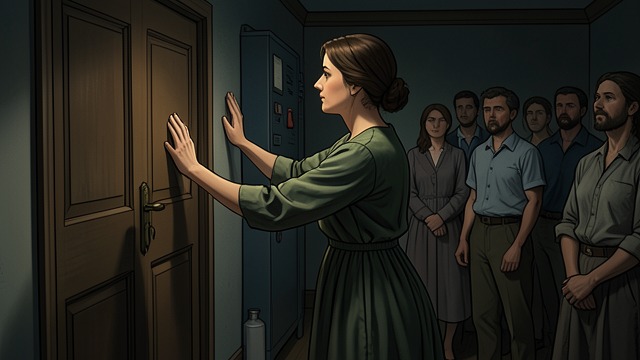
Words Forced Into Public
The demand to be heard
Antigone tells Creon to open the doors and call his guards.
Speech becomes irreversible
Her words ensure the palace can no longer treat the deed as a secret.
The exchange converts private conviction into public consequence.
The Quiet Afterward
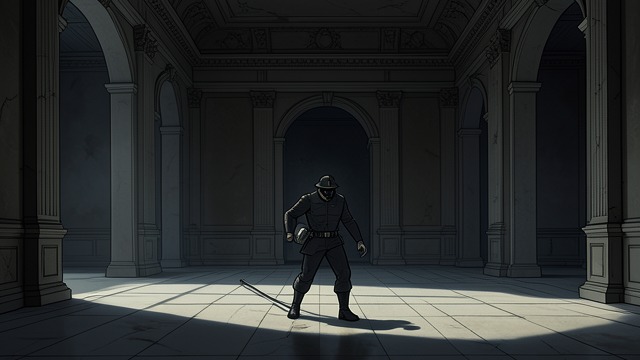
The Quiet Afterward
Noise ends
The Chorus describes a great quiet settling over Thebes and the empty palace.
Memory fades
Those who live will slowly forget the dead and confuse their names.
Silence closes the tragedy without supplying an answer to it.
At the opening tableau
During Antigone’s conversation with the Nurse
Immediately after Antigone’s arrest
During Antigone’s confrontation with Creon
At the play’s close
