
The Women’s View of Vulnerability
Anxious PeopleThe women’s encounters expose how strength can include admitting fear, offering practical care, and refusing to let shame define another person.
increasing Bearing strength in each event
 decreasing
Bearing strength in each eventdecreasingZara’s Defensive Distance
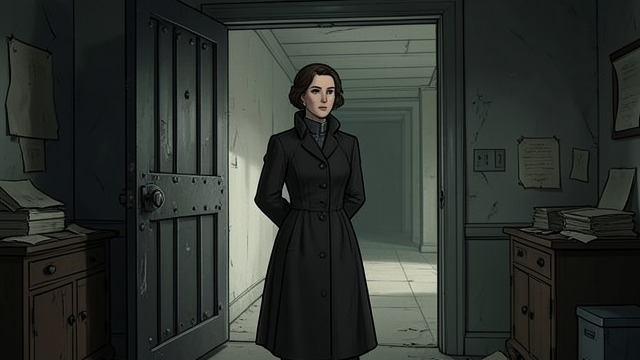
Zara’s Defensive Distance
Wealth buys separation
Zara treats distance as a luxury and avoids intimacy through sharp judgments and controlled routines. She believes other people are easier to understand than they are.
Vulnerability remains hidden
Her therapy sessions show that her confidence coexists with sleeplessness, anxiety, and thoughts of suicide. She resists being seen because she fears both injury and the possibility of hurting someone else.
Anna-Lena Cries in the Closet
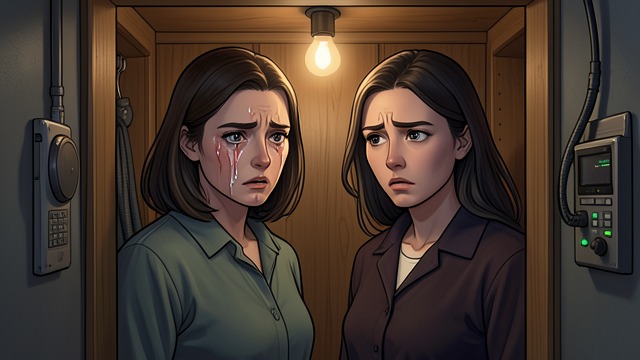
Anna-Lena Cries in the Closet
A private collapse
After Roger discovers Lennart, Anna-Lena hides in the closet and cries. Julia joins her, sharing the uncertainty of marriage and the impending responsibility of parenthood.
Vulnerability becomes companionship
The women do not solve each other’s problems, but they exchange honest stories. Anna-Lena can admit her longing for a home, while Julia can admit fear of becoming a mother.
Estelle Names Her Loneliness

Estelle Names Her Loneliness
A grief kept behind a story
Estelle has pretended Knut is parking the car because the fiction makes New Year feel less lonely. Julia gently asks whether he is really coming.
Care makes honesty possible
Estelle admits that Knut is dead and explains what she misses. The women respond with listening rather than correction, allowing grief to be present without pushing it away.
Zara Lowers the Pistol

Zara Lowers the Pistol
Care breaks through control
Zara sees the Bank robber alone with the pistol and reaches for her hand. She does not make a speech or ask the robber to justify herself.
One person interrupts another
The brief intervention interrupts the robber’s suicidal crisis. Zara discovers that empathy is not an abstract virtue but a physical choice made at the moment someone needs help.
The Group Offers Shelter

The Group Offers Shelter
The crisis becomes shared
The hostages help the Bank robber find a route next door and agree not to invent details when questioned. Their offer does not make the crime disappear.
Respect without approval
They treat the robber as a person whose life matters while recognizing that she has caused real danger. The group’s compassion creates a chance for survival and a future response.
Before the crisis
During the hostage crisis
During the closet conversation
After the hostages are released
Before the final evacuation
