Knut
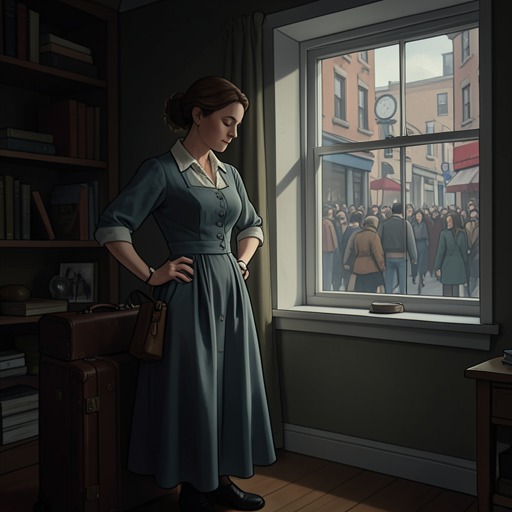
Anxious PeopleKnut is the deceased companion whose absence shapes Estelle’s loneliness and memories. Their life together is recalled through small, vivid habits rather than grand declarations: shared laughter, considerate gestures, and the image of him parking the car. After a long illness and years in a care home, his death leaves Estelle feeling that she has lost not only a loved one but the person who echoed her own life.
Identity and Life with Estelle
Estelle does not describe meeting Knut as the beginning of a conventional love story. Their bond felt more like a child finding the perfect playmate. That comparison conveys the ease and shared delight she associates with him: even late in life, his touch made her feel like climbing trees and jumping from jetties. Her memories of their closeness are physical and playful, not presented as a romance shaped by grand gestures.
Knut’s humor was central to their companionship. Estelle most misses making him laugh so hard that he spat out his breakfast. The joke, she recalls, became even more enjoyable as they aged, especially after he got false teeth. The detail gives their shared laughter a particular domestic texture: it belonged to ordinary mornings and to a familiarity that could make an embarrassing mishap part of the pleasure.
Habits of Care and Humor
Knut’s attentiveness appears in the practical ritual of going out in the rain. Whenever they went somewhere, he dropped Estelle just outside the door so she could wait in the warmth while he parked the car. He was, she says, very good at parking, able to parallel park in tiny spaces. The maneuver was unremarkable in itself, but the memory survives because care was built into it: he took the wet walk and left her sheltered.
That habit later becomes a consoling image. When Estelle sees something funny and thinks how hard Knut would have laughed, she imagines him just outside, parking the car. The fantasy does not make his death disappear; it gives absence a familiar shape, briefly placing him at the edge of a scene in the role he once occupied. His imperfections remain part of her account—she says no man is perfect—but they do not cancel the steady kindness she remembers.
Illness, Death, and Its Aftermath
Knut’s final illness lasted for years. He lay in a care home, and Estelle took the bus there each day. She read books beside him, first aloud and, toward the end, to herself. Because he was not truly living as he had before, yet was not dead, Estelle felt unable to begin living as though he were gone. Her life, she says, was on pause. The daily visit and reading became something to do, and something a person needs.
During his last nights in a sickbed, Estelle asked whether he was scared. Knut answered yes. Then he ran his fingers through her hair and added that it would be nice to get some peace and quiet, asking her to put that on his headstone. Estelle laughed hard at the remark. Its humor did not erase the fear or the approaching separation; it let Knut meet both with the familiar wit she would continue to remember.
After Knut died, Estelle wept so hard she could not breathe. She says her body was never really the same: she curled up and never quite unfurled again. In the closet, speaking to the other women, she says, “He was my echo. Everything I do is quieter now.” The echo image joins grief to the shape of their relationship: his absence is not only the loss of a person but a reduction in the sound and liveliness of her own days.
Memory and New Year
Knut’s memory accompanies Estelle into the apartment viewing, where she explains that she is not there to buy the apartment. She comes out of curiosity, to hear what people dream about when searching for somewhere to live; during Knut’s long stay in the care home, the viewings had also given her something to do. Her account connects his illness and death to the present gathering without turning him into a mere explanation for her presence: she recalls both the suspension of those years and the ordinary need for a project.
New Year makes his absence particularly sharp. Knut loved fireworks, and they used to watch them together, first from the balcony and later through the kitchen window. Estelle could not bring herself to go out onto the balcony after something that happened on the bridge ten years earlier, so the kitchen became the place from which they watched. She tells the bank robber that pretending Knut is on his way makes her feel less lonely, especially at this time of year. For Estelle, the fireworks endure as a shared ritual, while the car he is supposedly parking remains an intimate image of care that can still be summoned.