Laughter as resistance and connection
Anxious PeopleLaughter as resistance and connection is a recurring social force in the novel: it does not erase pain, but allows people to remain in contact with one another through it. Humor can preserve defiance in the face of suffering, give grief a shared language, or expose the distance between what someone means and what another person hears. Its effects range from the quiet intimacy of an old family joke to the accidental comedy of a police interview.
Humor as a defense against despair
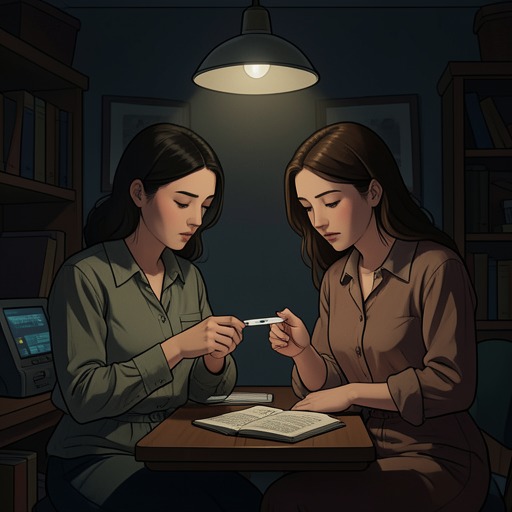
Julia recalls how Ro told her about her family’s flight to Sweden through the mountains in winter. As children, Ro and the others carried sheets and were told to hide beneath them when they heard helicopters. Ro initially hesitated to tell Julia the story because she feared becoming a burden, but the two stayed awake talking until she had explained what her family endured. Julia remembers not only the cruelty and madness of war, but also that Ro grew up to make people laugh. Ro’s parents had taught their children that humor was the soul’s last line of defense: jokes, including bad puns and fart jokes, became a way of refusing despair and affirming life.
That history gives Ro’s humor a meaning beyond entertainment. It is part of what she carries forward from her family, and part of the ordinary life she later shares with Julia. Julia’s memory of the first night they talked joins a frightening history to the everyday intimacy that followed: after hearing Ro’s story, she had the chance to spend her life with her. Laughter does not make the past harmless; it marks the persistence of human connection after it.
Shared jokes and the work of grief
Jim’s memories of his late wife likewise make laughter a bond that survives loss. She laughed at the misunderstanding Jim and Jack had after watching a film, when Jack had to explain why only the child in the story could see the dead man. The moment remains part of how father and son remember her. Although she is no longer present, the memory of her laughter helps them understand one another.
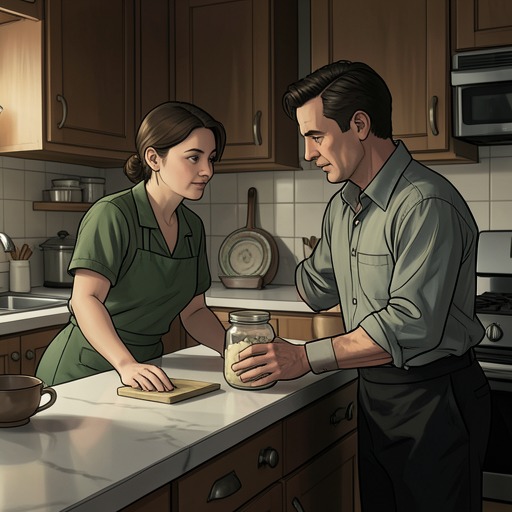
Jim also remembers his wife as someone who enjoyed causing trouble and told him he was too nice. He brings one of her jokes to a conversation with a distressed woman: when asked how to eat an elephant, the answer is, “A bit at a time.” The joke gives him a modest way to respond when she does not know where to begin. He wipes a tear from her cheek, then sits beside her and invites her to tell her story. Humor here does not replace listening or grief; it opens a small, manageable step toward both. Jim’s recollection that there will be no more of his wife’s mischief makes the joke tender as well as funny: the shared memory carries the ache of her absence.
Comedy in the language of interviews
The novel’s interview records show how humor arises from mismatched meanings and the strictness of official language. On December 30, Jack suggests that London sit in a chair; London points out that the phone’s charging cable will not reach it, and Jack answers as if moving the chair were an unreasonable option. The exchange makes their practical disagreement funny without resolving it. In another interview, London insists that Jack record the air quotes made with their fingers as “perverted commas,” so that readers will understand the irony rather than mistake London for a fool. Jack corrects the term to “inverted commas,” prompting London to ask whether there is an echo. The joke is also a small contest over how the testimony will be represented: London wants the notes to preserve tone, not merely words.
Jack’s other interviews produce comedy when procedure collides with ordinary speech. He asks Jim how many prospective buyers were present, and Zara responds by asking him to define the term. Jack’s insistence that Julia and Ro be interviewed separately receives the simple challenge of why; his answer is that it is just the way things are. When a conversation about a closet leads Jack to phrase a question as though he means something else, he immediately has to correct himself. These moments make the official record an imperfect container for people’s meanings. The humor comes from the gap between Jack’s procedural confidence and the unpredictable language of the people he questions.
Laughter as an opening between people
Across these scenes, humor makes connection possible without requiring characters to become fully articulate or agree. Jim and Jack often struggle to speak about the losses and fears they share, yet their family’s remembered jokes give them a common point of reference. Ro’s humor carries a history of resistance into her relationship with Julia. London uses irony to insist on being understood on London’s own terms, while the awkwardness of Jack’s interviews briefly unsettles the authority of his questions.
At the novel’s close, Jack and Nadia sit on opposite sides of a narrow desk. They exchange weak smiles and then begin to laugh at the same time, both frightened and joyful. Their laughter does not explain what will happen next; it registers a beginning they may only understand later. In the novel’s concluding reflection on how strangers affect one another without knowing it, this shared moment offers a small instance of that hidden influence: two people meet, and laughter becomes the first sign that they have reached one another.