
Ordinary Memories Become Treasure
Are We Having Fun YetThis flow traces how small acts of attention accumulate into the emotional bank account that sustains children throughout life.
increasing Bearing strength in each event
 decreasing
Bearing strength in each eventdecreasingThe Memory Question
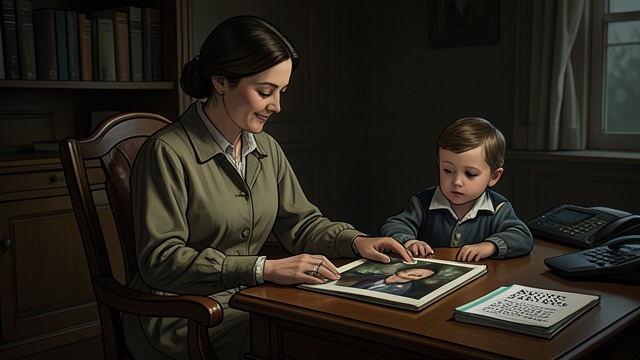
Asking Adults to Remember
Kay Willis asks parents to identify their happiest childhood memory.
Unexpected Simplicity
Most memories concern ordinary companionship rather than expensive possessions.
Parenting Mirror
Adults recognize the kinds of moments they are now creating for their own children.
Princess Walks
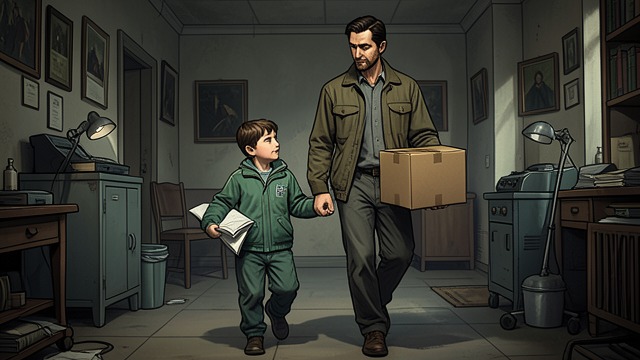
Newspaper Errands
A father regularly walks with his daughter to buy the newspaper and calls her Princess.
Private Ritual
The walk gives the child a protected space for conversation and touch.
Lasting Meaning
The adult remembers the relationship, not the errand's practical purpose.
Milk Route Saturdays
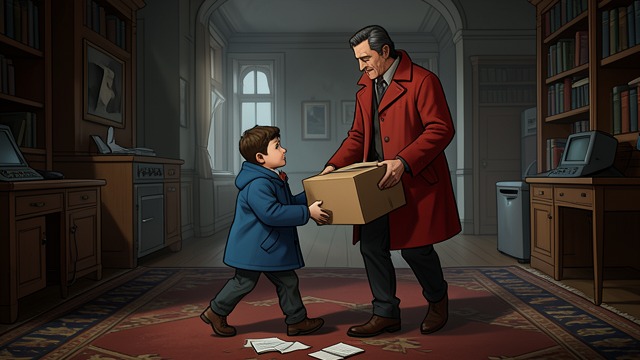
Riding With Father
A child accompanies her milkman father before dawn and receives a chocolate milk and doughnut afterward.
Shared Work
The experience joins labor, adventure, and exclusive companionship.
Emotional Value
The modest outing becomes a lifelong symbol of belonging.
The Hilltop Greeting

Waiting at the Hill
A boy runs to the top of a hill each afternoon to meet his returning father.
Brief Contact
The ride home lasts only seconds but contains recognition, touch, and welcome.
Memory Preserved
The small ritual outlasts the many larger events of childhood.
Emotional Bank Account
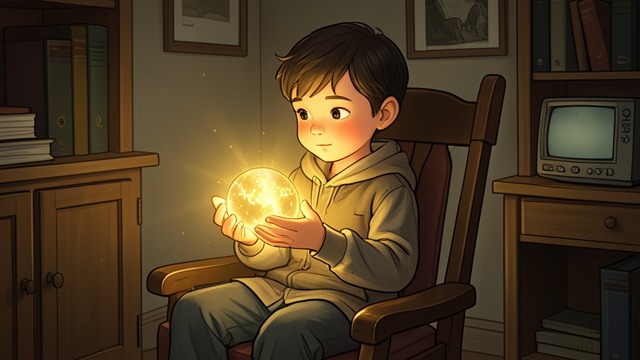
Strength Stored in Memory
Happy memories are described as emotional reserves that children can draw upon in later hardship.
Attention Over Objects
Care, time, and presence matter more than expensive gifts or organized spectacles.
Generational Continuity
The memories parents create become resources their children carry into adulthood.
during the second Mothers Matter session
during one mother's recollection of childhood
during one mother's childhood in the Bronx
during one father's childhood
during the final chapter
