
Quantity Before Quality
Are We Having Fun YetThis flow traces the book's challenge to scheduled quality time and its defense of ordinary, abundant parental presence.
increasing Bearing strength in each event
 decreasing
Bearing strength in each eventdecreasingThe Quality-Time Promise
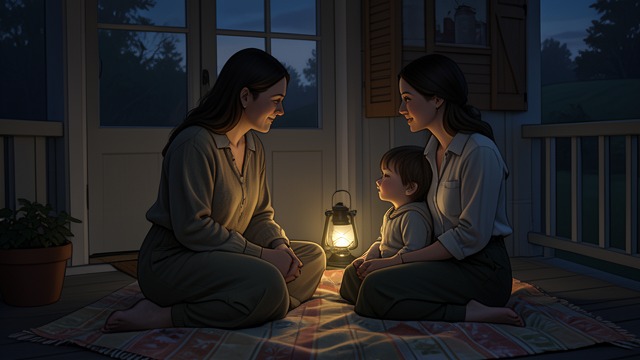
A Reassuring Theory
The idea of quality time initially comforts parents who cannot spend long hours with their children.
Hidden Burden
It also pressures them to make every shared minute meaningful and carefully designed.
Forced Intimacy
Ordinary family life begins to feel inadequate.
Six O'Clock Illusion
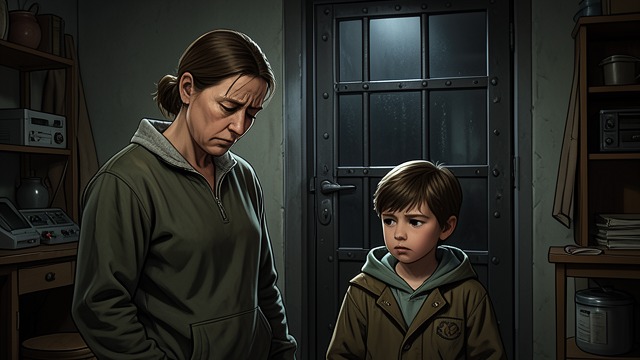
Exhaustion at Evening
Kay Willis argues that six o'clock is rarely a magical moment for parents or children.
Tired Performance
Crafts, flash cards, and educational rituals can become another demand.
Relief
The family is allowed to share imperfect time without turning it into a production.
The Broken Dishwasher
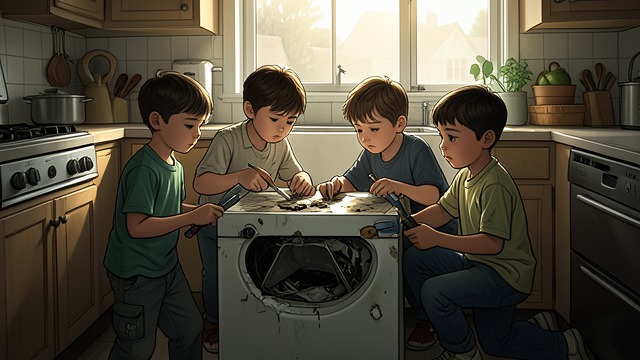
Chores Create Contact
When the dishwasher breaks, four children must work together after dinner.
Unexpected Conversation
The extra labor brings school stories and sibling talk into the kitchen.
Reversal
A domestic inconvenience becomes more valuable than a carefully purchased family activity.
Jungle Gym Presence
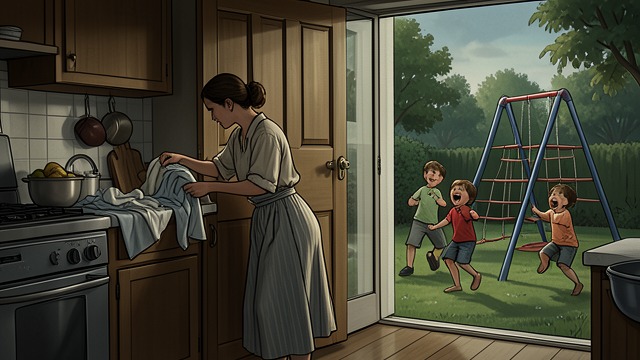
Children Want the Parent
Kay Willis discovers that the children enjoy the jungle gym most when she remains visible.
Work Joined to Play
She folds laundry or peels potatoes outside rather than demanding a perfect separation.
Presence Revealed
The emotional condition of play depends less on equipment than on available companionship.
Nothing Time
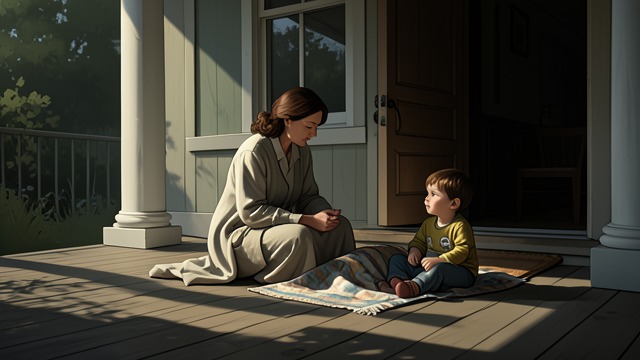
Empty Space Restored
Kay Willis defends unscheduled time for daydreaming, creating, coasting, and simply being together.
Beyond Specialists
Children need parents more than a constant succession of instructors.
Final Principle
Quantity makes quality possible because intimacy grows through repeated ordinary encounters.
during the discussion of working parents
during Kay Willis's critique of quality time
during the children's school years
after the Willis family moves to a larger yard
near the end of the chapter on children's attention
