
The Mother's Center of Gravity
Are We Having Fun YetThis flow traces how Kay Willis's authority shifts from managing every task to recognizing that her presence itself is the family's central gift.
increasing Bearing strength in each event
 decreasing
Bearing strength in each eventdecreasingThe Gift of Presence
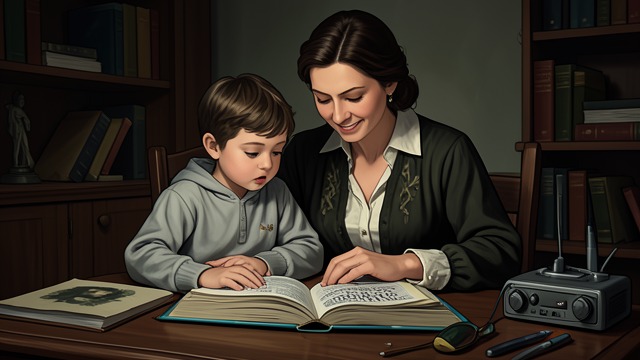
Parent as Essential Gift
Kay Willis argues that children need the parent more than lessons, products, or opportunities.
Supplement Versus Substitute
Education and enrichment matter, but they cannot replace loving attention.
Repeated Claim
The idea becomes the moral center of her parenting philosophy.
Maintenance Versus Living
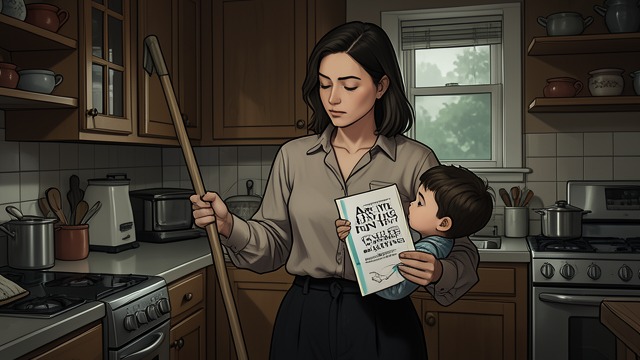
Escaping Household Upkeep
Parents discover that cleaning, organizing, and preparing can consume life without creating closeness.
Reprioritization
A task is judged by what it displaces rather than by whether it is objectively useful.
Family Center
The parent is encouraged to choose relationship over maintenance when necessary.
Children Join the Work
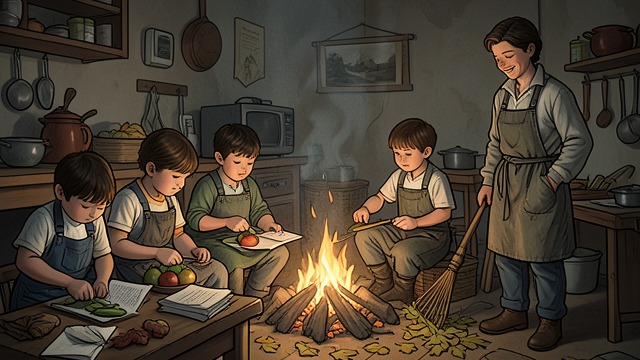
Inclusion Instead of Service
Kay Willis invites children to peel, fold, rake, cook, and help rather than arranging separate entertainment.
Mutual Need
Children grow when parents trust them with meaningful participation.
Presence Made Practical
Companionship emerges inside ordinary work.
The Specialist Culture
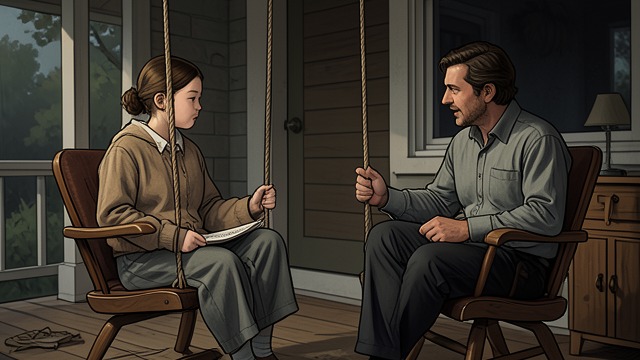
Outsourcing Childhood
Parents increasingly assign tutors, coaches, camps, and instructors to prepare children for every possibility.
Overprogramming
Specialists can displace the unstructured time in which children encounter parents.
Corrective
The best preparation remains a parent's attentive presence.
People-Makers

Parenting as Formation
Kay Willis describes parents as people-makers whose raw material eventually becomes a human being.
Responsibility Enlarged
The work is more consequential than any ordinary job because the result possesses independent life.
Payback
The reward is measured in capable, affectionate adults who return by choice.
during the opening chapters
during the first three chapters
during the discussion of ordinary quality time
during the fourteenth chapter
near the end of the chapter on parental presence
