
Guilt and Its Refusal
Are We Having Fun YetThis flow traces parental guilt from a universal pressure into a deliberate decision to apologize, correct, and move forward.
increasing Bearing strength in each event
 decreasing
Bearing strength in each eventdecreasingThe Guilt Inheritance
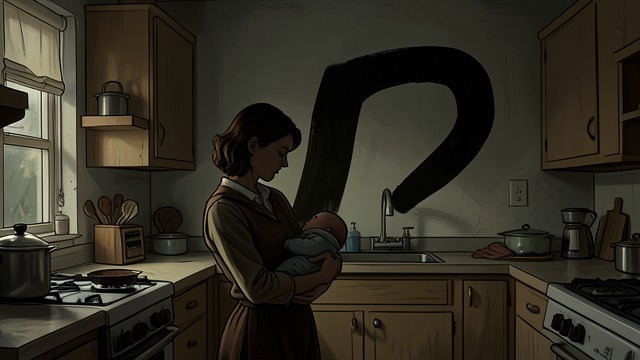
A Universal Burden
Kay Willis observes that mothers often receive guilt as if it were an unavoidable part of childbirth.
Uncertainty
Parents fear that every decision may be permanently wrong.
Emotional Cost
Guilt converts ordinary mistakes into evidence of personal failure.
Outside Judgment

Voices of Comparison
Grandparents, neighbors, experts, spouses, and children all become possible sources of parental accusation.
Doubt Amplified
A single question can make a previously acceptable choice seem disastrous.
Social Mechanism
Guilt spreads because parents are trained to confuse criticism with responsibility.
Mother's Rule

Ellen Burns Rubacky's Counsel
Ellen Burns Rubacky teaches Kay Willis to apologize for wrongdoing, promise improvement, and continue living.
Practical Ethics
Responsibility is preserved while self-punishment is rejected.
Inherited Strength
The lesson becomes one of Kay's most repeated parenting principles.
Credit and Blame
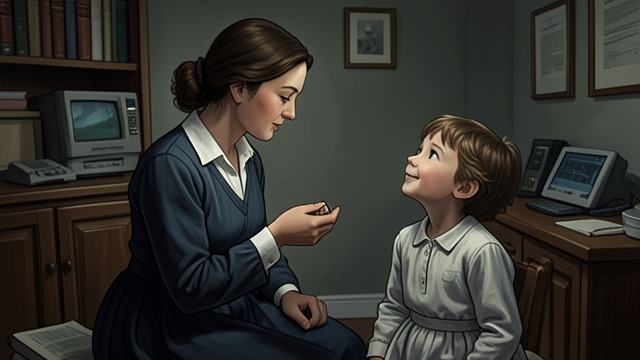
A Family Bargain
Kay Willis offers to accept blame for her children's mistakes if she may receive credit for their successes.
Comic Reframing
Humor makes parental responsibility feel manageable instead of crushing.
Shared Accountability
The bargain turns guilt from a weapon into a temporary acknowledgment.
Moving Forward

Refusing the Waste
Kay Willis ends the discussion by refusing to let guilt consume additional time.
Constructive Alternative
Parents are urged to repair what can be repaired and release what cannot.
Emotional Freedom
The family benefits when responsibility produces action rather than paralysis.
during Kay Willis's early motherhood
during Mothers Matter discussions
during Kay Willis's childhood
during Kay Willis's years raising ten children
near the end of the guilt chapter
