
The Parent as Learner
Are We Having Fun YetThis flow traces the book's argument that effective parenting depends on continual curiosity, revision, and willingness to learn from children and other parents.
increasing Bearing strength in each event
 decreasing
Bearing strength in each eventdecreasingExperts Questioned

Authority Examined
Kay Willis challenges experts who observe families without surviving their daily pressures.
Limits of Rules
What works for one child may fail with another, even within one household.
Experience Valued
Parents are urged to test advice against lived reality.
The Bread Class
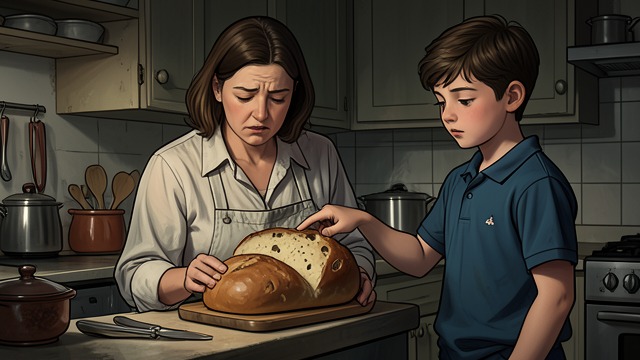
An Unqualified Teacher
Kay Willis accepts a breadmaking class despite knowing that her expertise is mainly recipe following.
Improvised Authority
When a student asks about holes in bread, she turns the question back to him.
Continuing Education
She later studies the problem and admits that she learned alongside the class.
Listening to Children
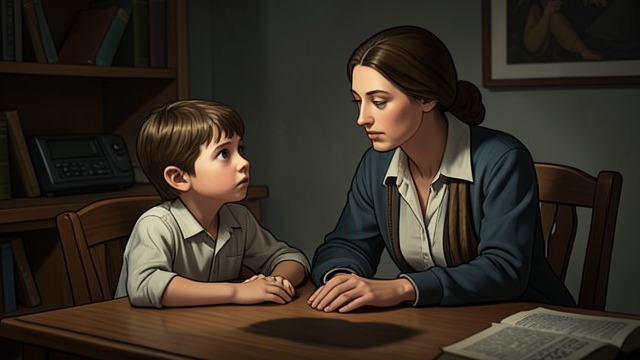
Parents Learn by Hearing
Kay Willis recognizes that children often know more than adults assume and may resent repetitive instruction.
Humility
Listening prevents the parent from mistaking control for wisdom.
Reciprocal Development
The child becomes a teacher of the parent.
College Return
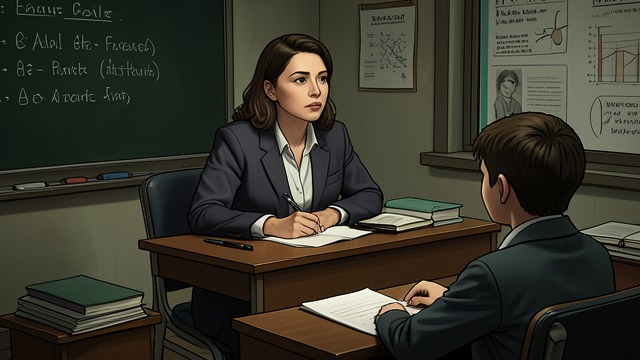
Student Again
Kay Willis enters a graduate-level setting as an older mother who worries she has fallen behind.
Experiment
The class requires her to tolerate unfamiliar methods and uncertain performance.
Growth
Her success proves that identity can expand after decades of family service.
Never Finished

Ongoing Development
Good parents are described as people who never stop growing, questioning, and adapting.
Example to Children
A parent's own curiosity models the courage to change.
Open Future
Parenting and personal development become parallel lifelong processes.
during the discussion of parenting advice
during Kay Willis's return to teaching
during the chapter on communication
during Kay Willis's Women in Transition course
near the conclusion of the growth chapter
