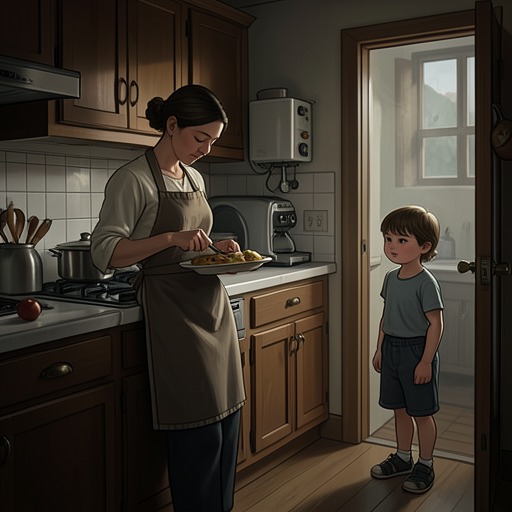
Cozy Home Atmosphere
Are We Having Fun YetCozy Home Atmosphere describes the emotional climate in which children grow. It is not a synonym for a beautifully decorated or perfectly maintained house; it is the felt quality of family life, produced through attention, affection, patience, and the willingness to make home a place where people can recover rather than merely perform duties. The concept turns atmosphere into a central form of parenting: what children repeatedly experience at home becomes part of the conditions under which they develop.
Definition and Domestic Meaning
Cozy Home Atmosphere is explicitly separated from interior decorating and good housekeeping. A home may be untidy without being emotionally inhospitable, while a well-kept home may still feel tense, distracted, or unloved. Children are said to thrive in cozy homes where adults listen and love is given unconditionally. The decisive question is therefore not whether every chore has been completed, but what the household feels like to the people living in it.
This distinction also resists the idea that domestic labor is the chief measure of successful motherhood. The book contrasts the pressure to maintain order with the deeper work of creating security and warmth. A mother may care about clean beds and clear kitchen counters, yet those visible accomplishments remain secondary to the emotional environment surrounding them. The home’s atmosphere is treated as a living result of relationships, not as a finished design.
How the Climate Is Made
The adults in a household create the atmosphere in which children grow physically and emotionally. Although fathers contribute, mothers are described as more often serving as the principal crafters of the home’s emotional climate. This claim places substantial responsibility on maternal feeling and conduct, but the surrounding discussion also shows why such responsibility can become exhausting: brand-new mothers may be deprived of rest, confidence, adult conversation, and self-esteem, while exhaustion, tears, inadequacy, resentment, isolation, and guilt recur through their days.
For that reason, the atmosphere depends partly on whether the mother herself is cared for. Kay Willis recalls genuinely enjoying being the mother of ten children, not because she was unusually gifted or failed to understand the difficulty, but because her mother and husband supported her and repeatedly insisted that the three Rs be present in her life. Her mother arranged a Thursday afternoon away each week so she could walk away, refuel, and return restored. She also offered to pay for a babysitter every day at 5 P.M., specifically so Kay could rest, freshen up, put on lipstick, and pull herself together. These practices make renewal part of the household system rather than a selfish interruption of it.
Listening, Ritual, and Emotional Availability
Listening is one of the atmosphere’s practical foundations. Good listening requires the mind and body to be present, yet mothers are described as suffering from crowded brain syndrome: when the mind is filled with chores and competing demands, there is no room left for what a child is saying. Setting aside those thoughts allows an adult to understand a child’s words and acknowledge the child’s feelings. The atmosphere becomes audible in these moments, through the quality of attention given to ordinary conversation.
Family dinner provides a larger ritual of that attention. During a stressful week, Kay sometimes wanted to feed the children early and prepare a quiet dinner for herself and Bub Willis, but Bub objected because he worked hard in order to come home and be with the children. Despite his occasional explosive response to spilled milk and household disorder, he was home for dinner with the family almost every evening. Those meals became a major source of connection: family members shared what had happened during the day, children participated in important family matters, voiced opinions, and learned to listen to one another.
The same principle extends to the home’s capacity to receive people in distress. The book asks whether all who enter its doors can be renewed, refreshed, and refueled. A child in trouble should not be afraid to come home, and discipline should allow children to experience a parent’s anger or disappointment without doubting the permanence of that love. In this sense, coziness is not constant pleasantness. It is the assurance that conflict does not cancel belonging.
Threats to the Atmosphere
Resentment is presented as one of the atmosphere’s most destructive pollutants. It can appear in the tone used with a toddler who has clung to a parent’s leg and repeated a demand for ten minutes. An exhausted adult may answer with anger, whereas a nonresentful response would involve crouching, making eye contact, and answering softly. The contrast shows how a small interaction can either intensify the household’s emotional charge or interrupt it.
The danger is larger than a single outburst. Resentment negates otherwise diligent work because the negative mood permeates the environment in which the family is supposed to be nurtured. Overtiredness and deprivation of fun can also blind a parent to a good thing: one mother resented a Hawaii vacation her husband had planned because she had not been consulted and did not want to fly that far with children. Resentment can therefore distort gifts, damage romance, and make care feel like an accusation. It also interacts with sibling conflict. The book notes that verbal attacks between battling children may leave wounds lasting longer than physical fights, while the long adolescent rivalry between Ben and Tim required Kay Willis to stand literally between them for years before shared football, separate college states, and later family life helped change the relationship.
Significance for Parenting
Cozy Home Atmosphere is the practical and ethical center of a wider argument about happy parents and successful children. The book identifies atmosphere and attitude as the two AAs of parenting and calls the atmosphere at home probably the most important single contribution to a child’s ultimate happiness and success. Children need more than love declared in the abstract; they need to experience adult enjoyment of their company, sustained attention, and a home whose emotional weather does not make them earn their place in it.
The concept consequently shifts parenting away from performance and toward climate-making. It asks whether adults like being in their own house, especially at suppertime, and whether their children encounter warmth rather than a recurring madhouse. It also acknowledges that parental presence is a labor requiring support, rest, and self-regulation. A cozy atmosphere is not produced by a mother doing everything flawlessly. It is built through repeated acts of care that allow adults and children alike to feel heard, secure, loved, and able to return home renewed.