
Peter’s Countertransference and Failed Certainty
AsylumThis flow traces Peter’s growing self-deception as he mistakes Stella’s performance for recovery and prepares to marry her.
increasing Bearing strength in each event
 decreasing
Bearing strength in each eventdecreasingClinical Confidence

A Psychiatrist’s Framework
Treatment Plan
Peter interprets Stella’s condition through depression, guilt, and a Medea complex. He believes her attachment to Edgar can be redirected and that her grief for Charlie can be worked through in a predictable course.
Authority and Intimacy
He relishes the chance to understand Stella’s psyche and assumes he can manage her defenses. His confidence obscures the personal attraction that is shaping his clinical judgments.
The Proposal and Misreading

Hope Built on Performance
A Future Imagined
Peter offers marriage and a life of cultivated companionship. Stella appears willing to discuss the possibility, and he treats her attention as evidence that she may choose him.
A Clinical Blind Spot
Peter believes Stella’s composure means she is confronting Charlie’s death and moving beyond Edgar. He fails to consider that her poise may be a calculated performance designed to secure release and conceal continuing obsession.
Recognition Too Late
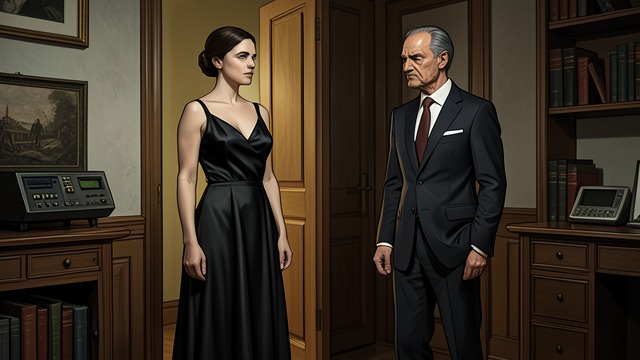
The Dress Reveals the Truth
A Familiar Garment
Stella wears the black silk dress associated with her first dance with Edgar. Peter initially reads her appearance as a dignified display of recovery and social confidence.
Countertransference Exposed
Only later does Peter understand that the dress was intended for Edgar and that he had mistaken performance for devotion. His dawning insight arrives as Stella’s fatal overdose makes correction impossible.
The first weeks of Stella’s admission
Several months into Stella’s hospitalization
The night of the hospital dance
