
The Wall Between Freedom and Confinement
AsylumThis flow traces the changing meaning of the hospital wall as boundary, protection, and imagined refuge.
increasing Bearing strength in each event
 decreasing
Bearing strength in each eventdecreasingA Moral Architecture
Order Made Visible
The Hospital Grounds
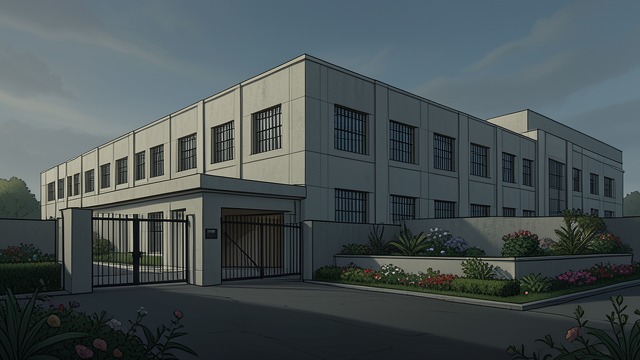
The hospital rises behind walls, barred windows, and controlled doors. Its architecture embodies institutional regularity and containment, while terraces and gardens soften the severity of confinement.
A Divided World
From the garden, the Wall defines the view and separates the hospital from the surrounding country. The boundary promises safety to some and imprisonment to others, introducing the novel’s unstable distinction between refuge and captivity.
The Wall in the Affair
Desire Beside Confinement
A Visible Limit
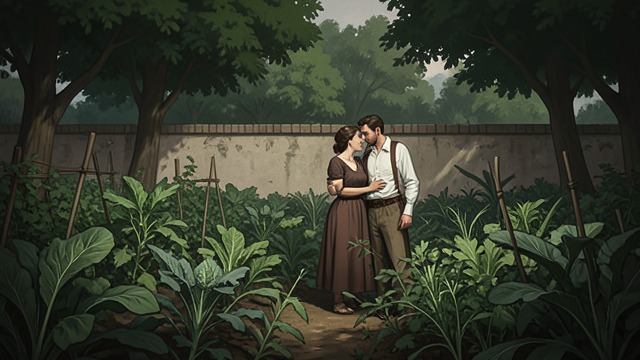
Stella encounters Edgar in the Vegetable garden, where the Wall remains visible beyond the trees. Their intimacy develops inside a landscape marked by the very institution that controls his movement.
Freedom as Fantasy
Stella reads Edgar’s presence as a challenge to institutional authority and imagines that passion can cross boundaries. Yet their meetings depend on the hospital’s work routines and the limited permissions that keep him near her.
The Refuge Reversed

Outside Becomes Another Prison
Fugitive Confinement
In the warehouse, Stella is physically outside the hospital but cannot move freely in daylight or live without fear of arrest. The hoped-for escape produces its own restrictions.
A Memory of Safety
The hospital begins to seem to Stella like a place of order and plenty, even though she once experienced it as a prison. The reversal shows that a boundary may both confine and shelter, depending on what lies beyond it.
The Raphaels’ arrival in summer 1959
During the summer meetings
After Stella joins Edgar in London
