
A Year of Seasons and Emotional Change
AsylumThis flow traces how the novel’s changing seasons mark the movement from erotic intensity to exile, grief, and death.
increasing Bearing strength in each event
 decreasing
Bearing strength in each eventdecreasingHigh Summer’s Intoxication
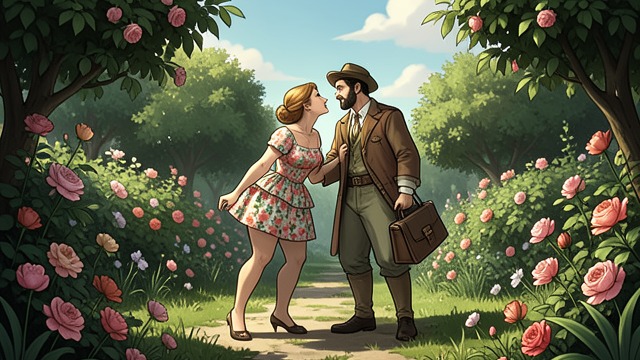
Heat and Desire
A Summer of Meetings
Hot weather accompanies Stella and Edgar’s first conversations, sexual encounters, and clandestine meetings. The warmth and abundance of the garden give their affair an atmosphere of vitality and inevitability.
Seasonal Glamour
Stella associates the full growth of the garden with the new life she believes love has opened. The season’s sensual fullness helps her ignore the danger and practical cost of the relationship.
Autumn’s Abandonment
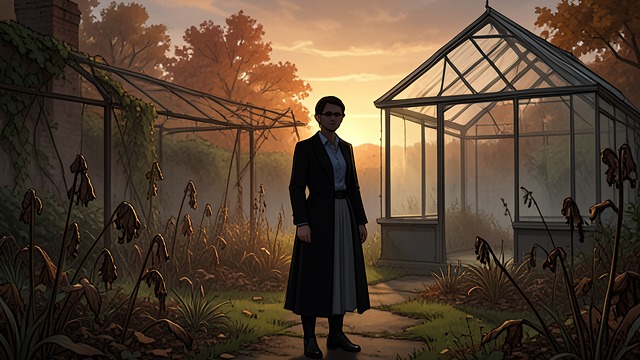
Growth Gives Way to Absence
The Empty Garden
After Edgar vanishes, Stella notices the neglected plants and unfinished Conservatory. The garden’s ripeness no longer promises renewal; instead it emphasizes the absence of the person she longs to see.
A Life in Suspension
As the weather changes and the affair becomes uncertain, Stella sustains herself through faith and alcohol. Autumn marks neither a clear ending nor a secure future, but an extended period of waiting.
Winter and the Final Spring
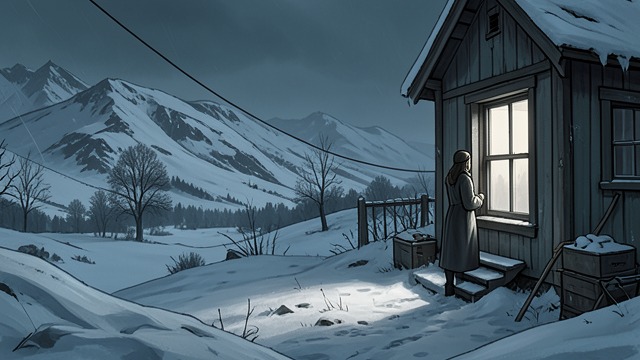
Coldness and Return
North Wales Winter
Rain and isolation accompany Stella’s depression after the family moves to Plas Mold. The landscape reflects the emotional coldness of a home that no longer offers belonging.
A False Spring
In hospital, spring weather accompanies Stella’s apparent improvement and Peter’s plans for her future. The brightening season contrasts with the concealed crisis that culminates in her death during the following summer.
Summer 1959
Early autumn after Edgar’s escape
From the winter at Plas Mold to the summer of Stella’s death
