
Babel and the Empire
BabelThis flow traces the institutional dependence that makes Babel wealthy, powerful, and ultimately vulnerable to its own students.
increasing Bearing strength in each event
 decreasing
Bearing strength in each eventdecreasingA Scholarly Front
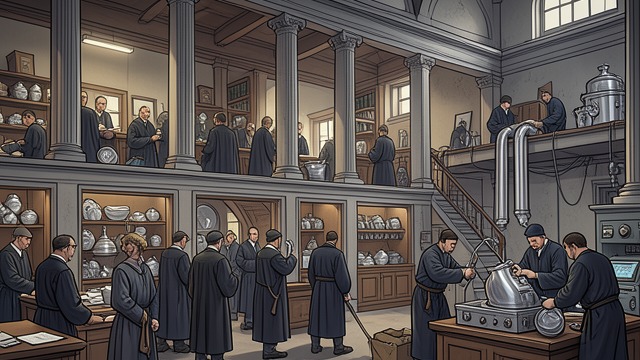
A Scholarly Front
Public mission
Babel claims to collect languages for knowledge, diplomacy, and global understanding. Its rhetoric presents translation as a civilizing and peaceful enterprise.
Material function
The institution sells silver-working to militaries, traders, factories, and slaveholders. Its academic departments are therefore linked to violence even when individual scholars imagine themselves above commerce.
Structural dependence
The Empire’s modern systems increasingly rely on Babel’s languages and maintenance. The institution’s prestige conceals how little independence it possesses from imperial demand.
The Chinese Campaign

The Chinese Campaign
Economic anxiety
Britain’s silver flows toward China in exchange for tea and luxury goods. Traders and scholars decide that the imbalance must be reversed rather than accepted.
Manufactured diplomacy
Richard Linton Lovell, Harold Baylis, and their associates prepare war plans while pretending to negotiate. Translation is used to create a pretext rather than to prevent conflict.
Opium as leverage
The Opium Crisis becomes the mechanism for forcing Chinese markets open. The destruction of the shipment by Lin Zexu exposes the violence that the negotiators had planned to conceal.
Institutional Paralysis
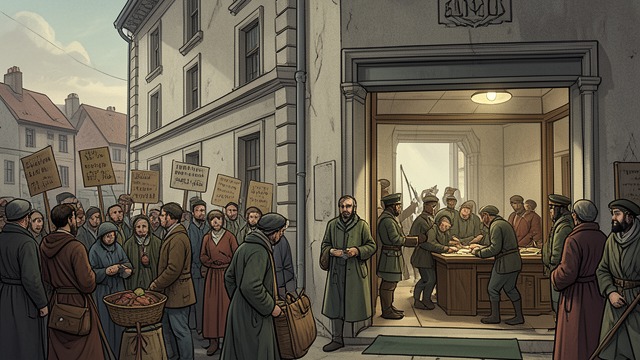
Institutional Paralysis
The strike
Robin Swift and Victoire Desgraves stop Babel’s services and prevent the Empire from accessing its central translation infrastructure. The refusal is more damaging than any isolated theft.
Failed substitution
Exiled professors attempt to establish defenses elsewhere, but they lack the tower’s ledgers, materials, and concentration of multilingual talent. Britain discovers that redundancy was largely an illusion.
Political exposure
As infrastructure fails, Babel’s role becomes visible. The institution can no longer claim to be a detached university faculty when the country’s roads, factories, and war plans depend on it.
Early 1830s, before the main narrative
1837-1839, before and during the Canton mission
1839, after the Babel strike begins
