
The Anti-Silver Movement
BabelThis flow traces the transformation of worker unrest from an external nuisance into a coalition that helps defend Babel.
increasing Bearing strength in each event
 decreasing
Bearing strength in each eventdecreasingWorker Displacement
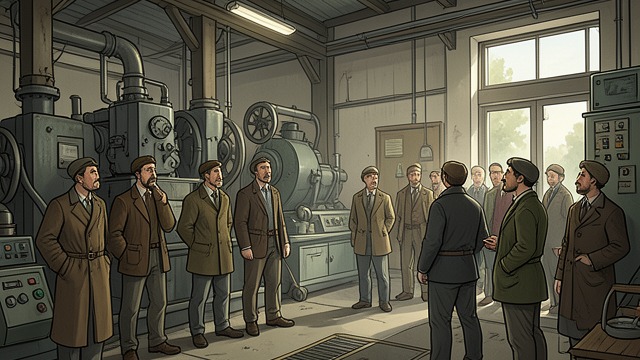
Worker Displacement
Mechanized progress
Silver-powered machinery makes factories more efficient while removing the need for hundreds of workers. Babel celebrates the innovation and dismisses the displaced as backward.
Public anger
Mill workers protest outside the tower, and the institution responds with police, wards, and contempt. Robin initially sees the unrest as a threat rather than a parallel struggle.
Moral recognition
The workers’ poverty becomes visible to Robin when he encounters a family begging in the rain. He begins to understand that the comfort of his education is part of the same economy that has destroyed their livelihoods.
The Barricade Alliance

The Barricade Alliance
A new coalition
Abel Goodfellow and the workers who once protested Babel construct barricades to defend it from the Army. Their cause shifts from hostility toward scholars to opposition against the wider silver economy.
Shared language
The workers can communicate their grievances to British townspeople in terms of wages, safety, and food. Their organizing succeeds where abstract pamphlets alone have struggled.
Mutual dependence
The scholars provide silver-working and information, while the strikers provide protection, supplies, and local knowledge. The alliance makes the rebellion materially credible.
The Civilian Front
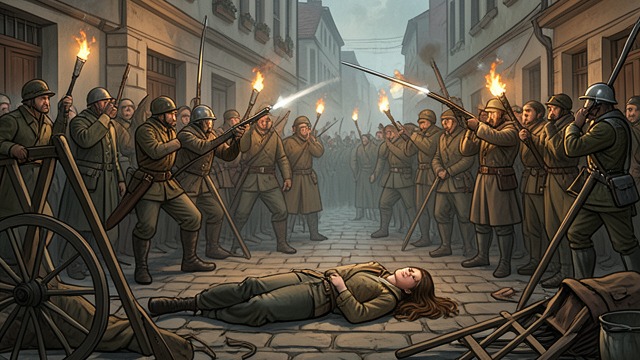
The Civilian Front
Escalating repression
The Army fires on barricaders and civilians as Parliament refuses to negotiate. A young woman’s death transforms the conflict into open warfare.
Broken restraint
Both sides begin using firearms, explosives, and silver-enhanced weapons. The distinction between protest and insurrection disappears.
Historical consequence
The anti-silver movement forces class grievances into the debate over China. British workers begin to see their own exploitation as connected to colonial extraction.
1837-1838, during the Oxford protests
1839, after the Babel occupation
The final days before the Babel destruction
