
The China Conflict
BabelThis flow follows the escalation from restricted trade and cultural contempt to a war crisis that reshapes every character’s political choices.
increasing Bearing strength in each event
 decreasing
Bearing strength in each eventdecreasingRestricted Contact
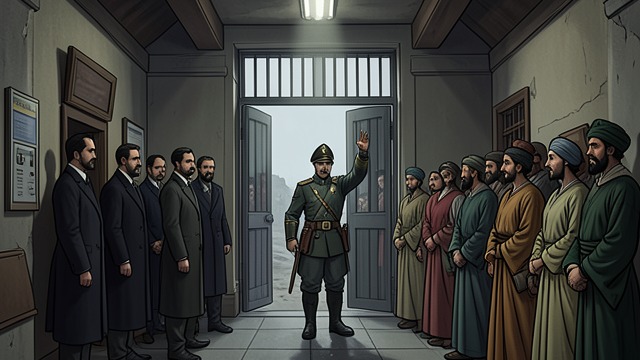
Restricted Contact
The foreign enclave
British traders are confined to the Thirteen Factories and kept from ordinary Cantonese society. The restrictions reflect Qing anxiety about foreign intrusion and the traders’ determination to remain.
Linguistic hierarchy
British merchants demand translators who can serve their interests, while Chinese officials regulate access to language and foreign movement. Every conversation carries the question of who has authority to define the terms.
Pressure building
Previous diplomatic missions failed because British representatives refused cultural concessions while demanding expanded access. The inherited resentment prepares the ground for confrontation.
Lin's Ultimatum
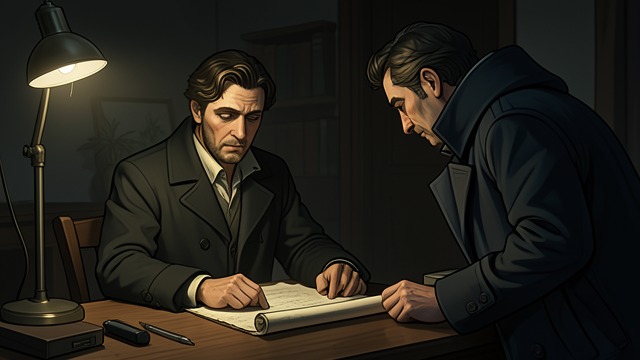
Lin's Ultimatum
Moral challenge
Lin Zexu asks why Britain condemns opium at home while forcing it into China. His argument exposes the contradiction between free-trade rhetoric and deliberate poisoning.
Translation under pressure
Robin conveys the demands through several linguistic layers, trying to preserve meaning while witnessing the bad faith behind the negotiation. His position as interpreter makes him both participant and evidence.
Private truth
In a private conversation, Robin admits that Britain intends to treat China as an obstacle rather than an equal. Lin’s decision to destroy the shipment follows from that recognition.
The War Pretext
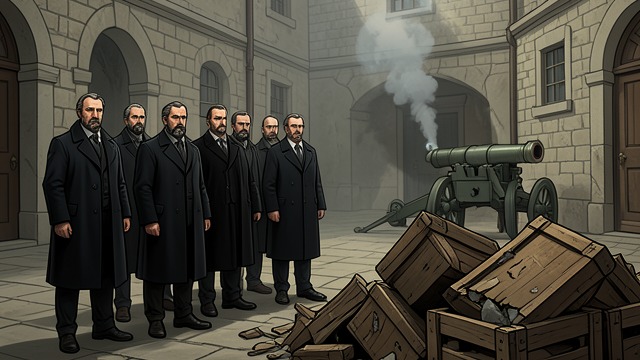
The War Pretext
Economic loss
The destruction of the opium shipment costs British merchants millions. They describe the seizure as an attack on property rather than a legal response to smuggling.
Manufactured outrage
Jardine, Matheson, and their allies use the event to demand military action. They had prepared intelligence and propaganda long before the supposed diplomatic failure.
The wider stakes
A British victory would unlock Chinese silver and expand imperial power across the world. Resistance therefore becomes a defense against a war whose consequences exceed Canton.
Before 1839, under Qing trade regulations
1839, during Robin's audience with Lin Zexu
Immediately after the opium shipment is destroyed
