
The Babel Revolution
BabelThis flow follows the central political struggle from imperial accumulation through student revolt and the attempted remaking of history.
increasing Bearing strength in each event
 decreasing
Bearing strength in each eventdecreasingImperial Silver Engine
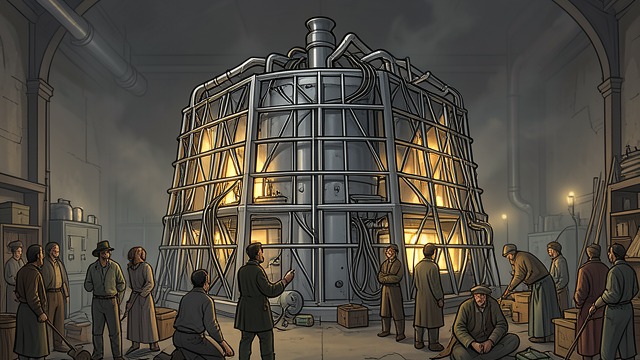
Imperial Silver Engine
The institution
Babel presents itself as a center of pure scholarship, but its research, maintenance contracts, and silver production serve the British Empire. Languages are gathered as resources and converted into material power.
The economy
Silver accelerates ships, factories, roads, and machines while concentrating wealth in Britain. The same system that promises progress produces unemployment, colonial extraction, and dependence on foreign languages.
The contradiction
Babel’s success contains the conditions of its crisis. The Empire has made itself dependent on a small institution whose most valuable workers remain politically marginalized.
Hermes Resistance
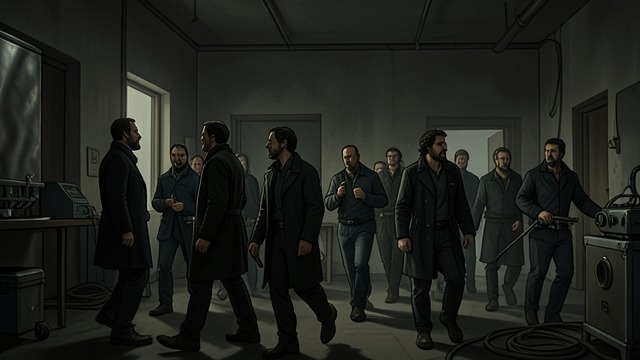
Hermes Resistance
Secret redistribution
The Hermes Society steals silver, books, and tools from Babel and redirects them toward communities and movements outside imperial control. Its secrecy protects the network but also isolates newer members.
Competing methods
Griffin Harley Lovell favors sabotage and armed resistance, while Anthony Ribben emphasizes research, coalition-building, and political persuasion. Robin is shaped by both approaches without fully belonging to either.
The widening war
The struggle escalates from covert thefts to campaigns against the British invasion of China. By the time Robin returns to Oxford, resistance has become an open contest over who controls translation and historical possibility.
Occupation and Strike
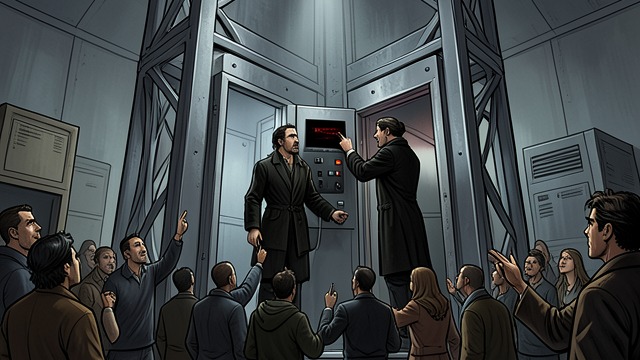
Occupation and Strike
Seizing the tower
Robin Swift and Victoire Desgraves enter Babel, expose the planned war, and announce that translation services will cease. Their action converts protest into institutional occupation.
Public disruption
The strike interrupts the silver systems supporting Oxford and London. Collapsing infrastructure makes the hidden cost of imperial dependence visible to workers, students, and city residents.
Final refusal
When negotiation fails and military force approaches, the occupiers choose to destroy Babel rather than restore its machinery. Their revolution becomes an act of permanent noncooperation.
1830s, before Robin's arrival at Oxford
1836-1839, from Robin's first term to the Canton voyage
After Robin and Victoire return to Oxford in 1839
