
The Gilded Cage
BabelThis flow examines how education and comfort become mechanisms of dependence that make liberation appear irrational.
increasing Bearing strength in each event
 decreasing
Bearing strength in each eventdecreasingThe Gifted Future
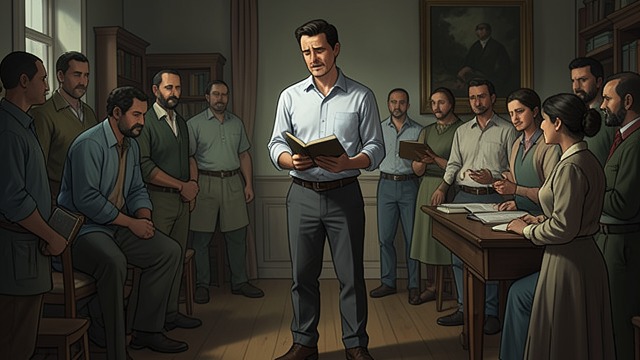
The Gifted Future
Material rescue
Robin receives food, clothing, books, legal status, and access to elite education. These gifts genuinely transform his life and cannot be dismissed as merely imaginary benefits.
Hidden obligation
Every benefit is attached to gratitude and obedience. Robin is repeatedly reminded that without Babel he would return to poverty, illness, and obscurity.
Psychological effect
The system makes its beneficiary defend the conditions that produced his dependency. Comfort becomes evidence that captivity is benevolent.
The Scholar as Asset
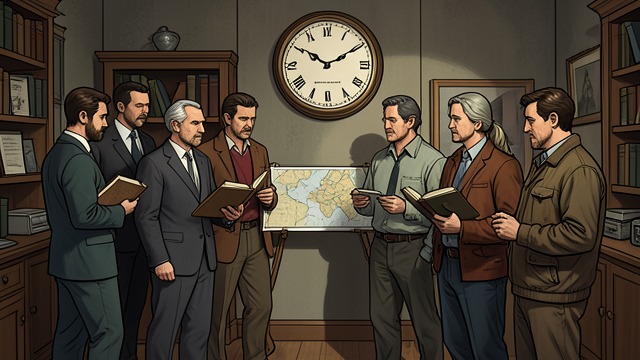
The Scholar as Asset
Exceptional admission
Babel welcomes students from colonized societies because their languages are valuable. Inclusion is therefore real, but conditional upon imperial usefulness.
Disposable talent
The deaths and disappearances of Eveline Brooke, Anthony Ribben, and others reveal that the institution values productivity more reliably than personhood.
Reproduced hierarchy
The scholars are told they are chosen while being isolated from broader solidarity. Their privileged status becomes another form of enclosure.
Breaking the Cage
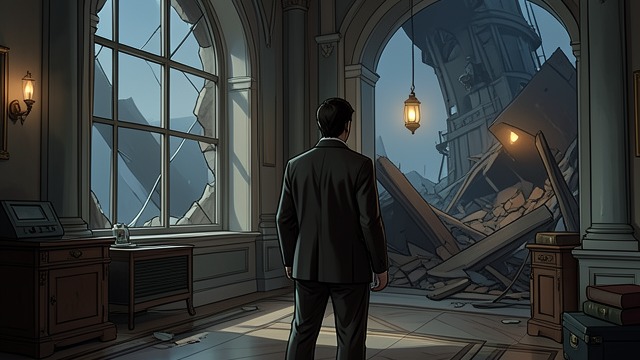
Breaking the Cage
The final recognition
Robin realizes that Oxford’s beauty and safety do not make it a home. The institution wants him as a productive exception, not as a person entitled to equal belonging.
Refusing gratitude
He stops treating his education as a debt that must be repaid through imperial service. His refusal is not a rejection of knowledge but of the ownership attached to it.
Destruction as exit
Babel must be dismantled because reform would leave its underlying bargain intact. The cage can be opened only by removing the structure that makes it desirable.
1829-1836, Robin's transition from Canton to Oxford
1836-1839, Robin's years at Babel
Near the end of the Babel siege
