
Violence and Responsibility
BabelThis flow examines the novel’s changing argument about whether violence is necessary resistance, personal vengeance, or moral collapse.
increasing Bearing strength in each event
 decreasing
Bearing strength in each eventdecreasingViolence as Theory
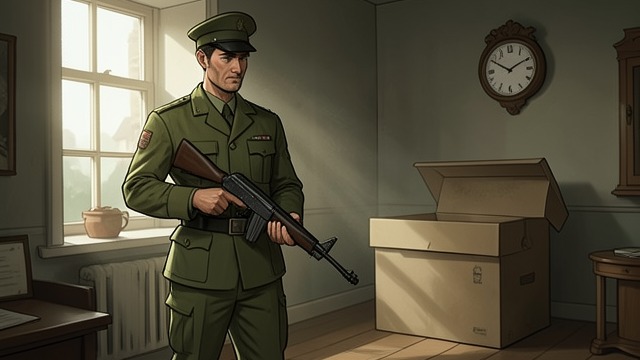
Violence as Theory
The system's vulnerability
Griffin Harley Lovell argues that empire depends on fragile supply lines and cannot tolerate disruption. Violence therefore exposes the dependence hidden behind military superiority.
The language of force
He insists that the Empire understands guns more readily than appeals to justice. A threat becomes persuasive when it demonstrates willingness to sacrifice.
The danger
Griffin’s theory explains structures but cannot regulate emotion. His method leaves open the question of whether violence can remain strategic once grief enters it.
The Personal Killings

The Personal Killings
Robin's father
Robin kills Richard Linton Lovell during a confrontation about race, exploitation, and his mother’s death. The act is both political and deeply personal.
Letitia's shot
Letitia Price kills Ramiz Rafi Mirza while claiming panic and protection. Her violence grows from possessive fear and an inability to accept political separation.
Different meanings
Robin interprets his own act as guilt, while Letitia seeks to deny intention. The parallel killings show that violence cannot be morally understood without attending to motive, power, and consequence.
Violence Beyond Strategy
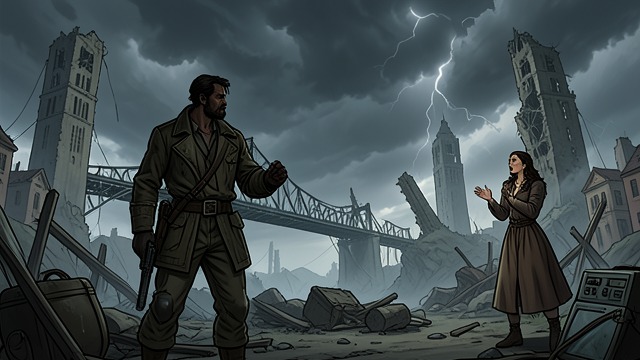
Violence Beyond Strategy
Escalation
Robin moves from targeted pressure to accepting the collapse of bridges, infrastructure, and the tower. The language of necessity increasingly disguises a desire for revenge.
Victoire's objection
Victoire insists that innocent casualties expose the difference between self-defense and malice. She wants resistance to preserve a future rather than sanctify death.
Moral limit
The novel refuses to present violence as simple liberation. The final destruction may alter history, but it also destroys lives, knowledge, and the possibility of a clean victory.
1837-1839, Griffin's arguments to Robin
1839, from Lovell's death to Ramy's death
Final days of the Babel siege
