
The Colonial Homecoming
BabelThis flow traces how Robin’s return to Canton transforms home from a comforting origin into a contested site of memory and exploitation.
increasing Bearing strength in each event
 decreasing
Bearing strength in each eventdecreasingThe Lost Shore
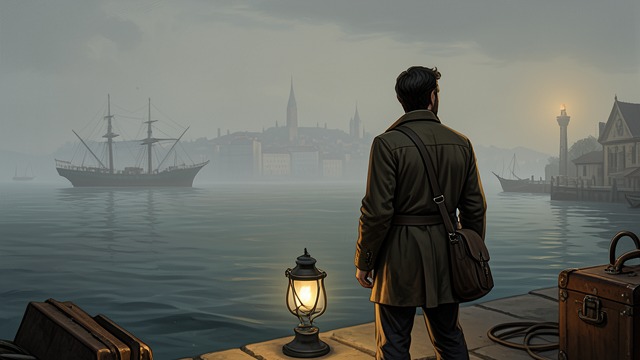
The Lost Shore
Departure
Robin leaves Canton shortly after surviving the epidemic. The city disappears behind him before he has the language to describe what severance means.
Reconstructed memory
On the voyage, he suppresses Cantonese memories and adopts an English accent. Survival requires him to treat the past as something that can be shed.
Unfinished belonging
The departure creates the emotional problem that will return a decade later. Robin reaches England, but he does not stop being shaped by the home he has been taught to forget.
The Changed City
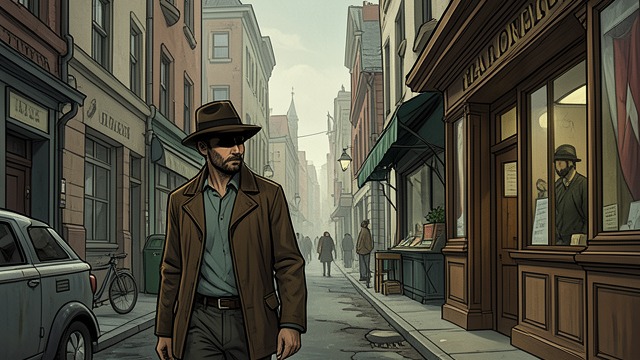
The Changed City
Foreign return
Robin arrives with a British delegation and finds Canton transformed by commerce, construction, and imperial pressure. The city is recognizable only through fragments of geography and sensation.
Failed recovery
He searches for his childhood home but finds shops, offices, and an opium den. The absence of the house denies him the catharsis of physically returning to the past.
Emotional emptiness
Robin feels neither uncomplicated homecoming nor complete alienation. His inability to feel at home reveals how thoroughly exile has altered him.
Home as Extraction
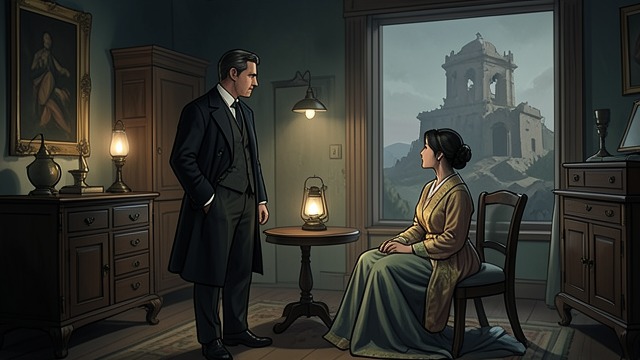
Home as Extraction
Family history
Robin connects his uncle’s opium addiction and his family’s impoverishment to the trade now defended by British merchants. Personal history becomes economic history.
Shared circuit
Ramy explains that the opium comes from India and is carried into China through British commerce. Their two homelands are joined by a system neither of them controls.
Changed identity
Robin realizes that he has become foreign in Canton as well as in England. Home is no longer a place he can return to unchanged.
1829, Robin's departure from Canton
1839, Robin's first day back in Canton
1839, after Robin visits the opium den
