
The Blood Ward System
BabelThis flow traces the way Babel turns biological identity into institutional access and then into a vulnerability for resistance.
increasing Bearing strength in each event
 decreasing
Bearing strength in each eventdecreasingBlood as Membership
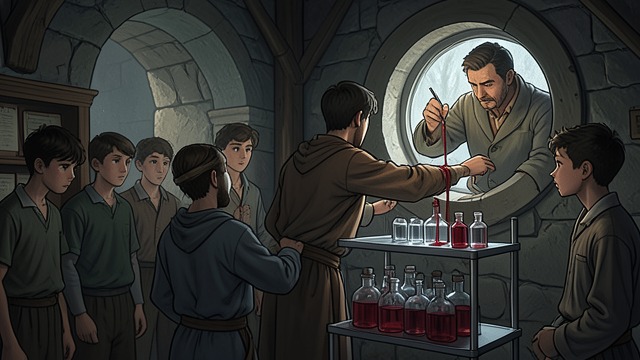
Blood as Membership
Registration
Jerome Playfair draws blood from the new students and stores labeled vials in the tower. The ritual marks them as recognized members of the institution.
Security logic
The wards use blood to distinguish scholars from intruders. Access becomes a biological privilege rather than a right granted by conduct.
Uneasy belonging
The students joke about the procedure, but the tower’s knowledge of their bodies signals that membership can be monitored and revoked.
The Door as Weapon
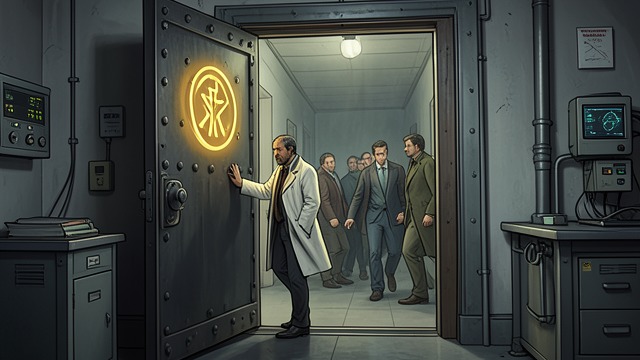
The Door as Weapon
Selective entry
Robin can open Babel because his blood is registered. Hermes depends on this access while remaining vulnerable to changes in the wards.
Punitive exit
The tower allows entrants through but attacks those leaving with stolen materials. The asymmetry is deliberate: the institution wants evidence, punishment, and control.
Failed protection
When Robin is shot during a theft, the ward reveals its indifference to the student whose body it supposedly recognizes. Membership does not guarantee safety.
Vials in the Fire
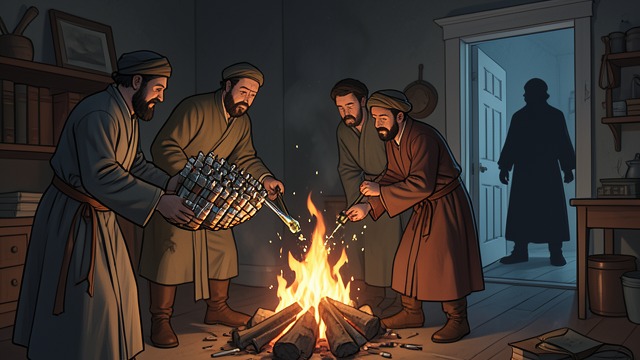
Vials in the Fire
Revocation
When scholars leave the occupied tower, Robin and Victoire destroy their blood vials. The act formally severs their relationship with Babel.
Symbolic reversal
The same blood that once authenticated belonging now marks the end of institutional ownership. The ritual becomes an image of decolonization through refusal.
Uncertain freedom
The expelled scholars lose access, safety, and careers. Liberation is therefore not a clean emancipation but a dangerous removal from the system that controlled them.
1836, the first day at Babel
1837-1839, escalating Hermes operations
The occupation of Babel, 1839
