
The Politics of Food
BabelThis flow traces food as a recurring measure of class, cultural belonging, hospitality, and colonial power.
increasing Bearing strength in each event
 decreasing
Bearing strength in each eventdecreasingEnglish Assimilation
English Assimilation
Learning taste
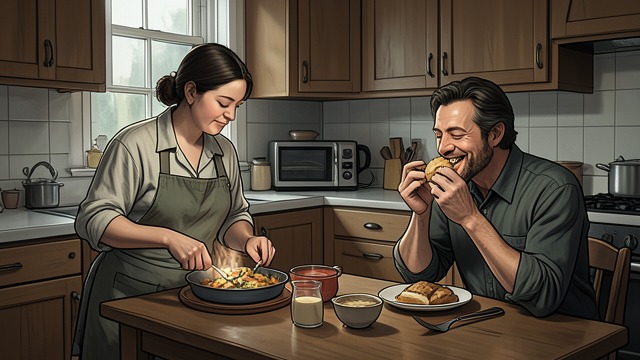
Mrs Piper teaches Robin the categories and history of English food. Meals become another curriculum through which he is prepared to pass as English.
Comfort and care
Her scones, pies, and warm meals provide the closest thing Robin has to uncomplicated maternal affection. Food offers emotional security where Lovell offers only discipline.
Cultural loss
The more Robin enjoys English food, the more sharply he feels the absence of Cantonese dishes. Appetite becomes an index of the identity he is being asked to abandon.
Food as Social Code
Food as Social Code
Class distinctions
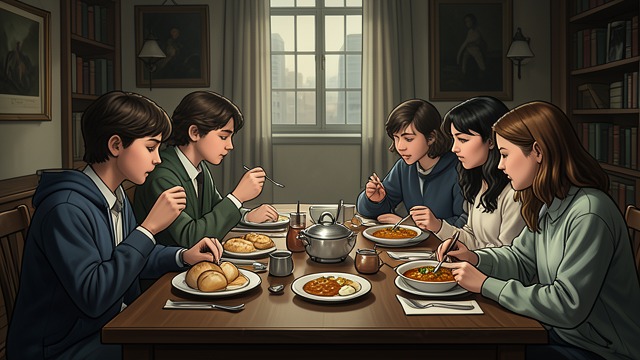
Potatoes, scones, wine, tea, and formal dinners reveal the hidden hierarchies of Oxford life. Students use taste to mark refinement, poverty, foreignness, and access.
Shared jokes
Robin, Ramy, Victoire, and Letty build intimacy by arguing over sultanas, curry, cheese, and bad college meals. Food becomes a private language that offsets institutional exclusion.
Unequal comfort
Babel scholars receive generous stipends while other students struggle to pay battels. Their easy access to food exposes the material privilege behind their supposedly pure academic life.
The Factory Dinner
The Factory Dinner
Imported absurdity
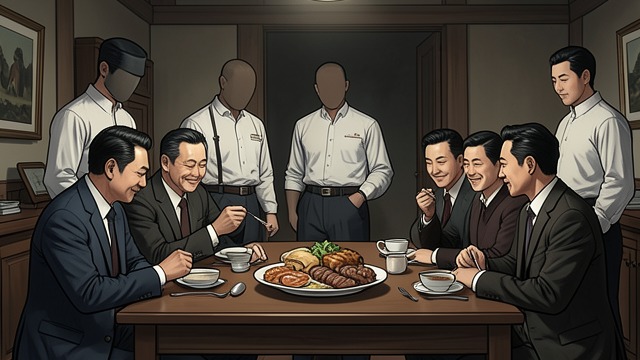
The English Factory serves badly reproduced English food cooked by Cantonese staff who have never been to England. The merchants prefer a poor imitation of home to local food.
Labor invisibility
The servants are treated as invisible while their work is mocked. Hospitality becomes a performance of colonial entitlement.
Moral exposure
Robin’s discomfort grows as the merchants discuss opium and trade over dinner. Food reveals the same hierarchy as language: the colonizer consumes while refusing to understand the people who sustain him.
1830-1836, Robin's Hampstead education
1836-1839, Oxford student life
1839, Robin's first night at the Thirteen Factories
