
The Sale of the Forest
BarkskinsThis flow traces recurring confrontations over who may claim, clear, and profit from land as French, British, American, and Indigenous systems collide.
increasing Bearing strength in each event
 decreasing
Bearing strength in each eventdecreasingSeigneurial Authority
Seigneurial Authority
Labor Before Land
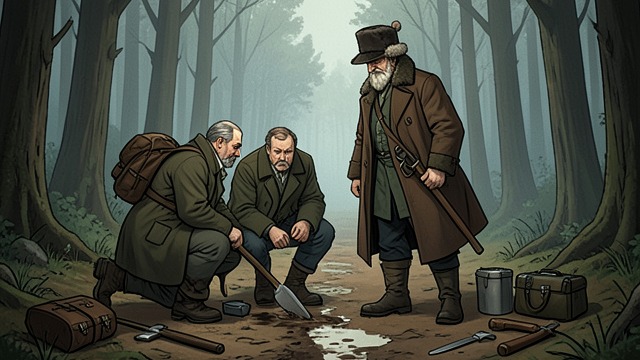
René and Duquet work under Claude Trépagny’s authority without a clear grant of their own property.
Competing Claims
The seigneurial system treats forest clearance as improvement, while René’s labor and Mari’s knowledge point to other relationships with land.
The English Land Claims
The English Land Claims
Paper and Timber
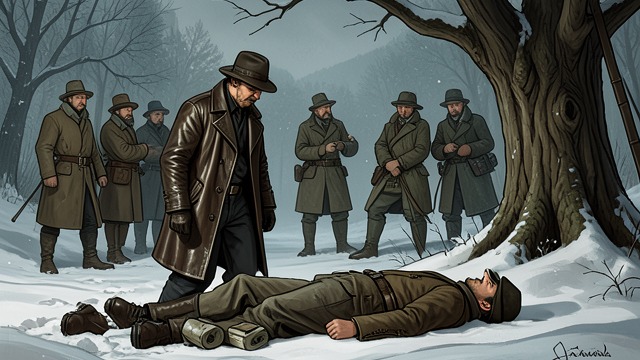
Duquet buys claims and seeks forests, but settlers and competing operators challenge ownership on the ground.
Violence as Enforcement
His response to a trespasser’s son turns property conflict into murder and creates the revenge that will eventually return to him.
The Crown Versus Colonial Courts
The Crown Versus Colonial Courts
A Royal License
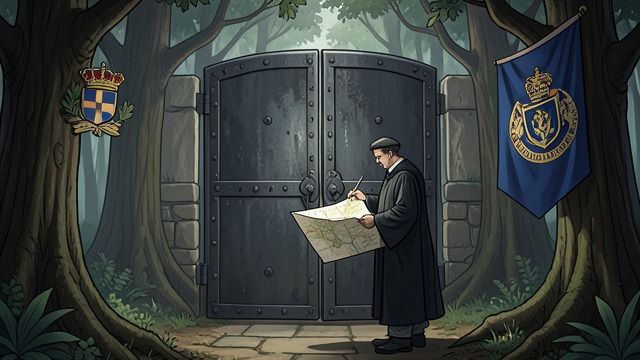
A royal mast-tree permit collides with a private title acquired after the Crown’s original claim.
Jurisdictional Defiance
A Massachusetts court refuses to enforce the royal order, making timber access a test of colonial authority.
The Settlers’ Land Take
The Settlers’ Land Take
A Home Destroyed
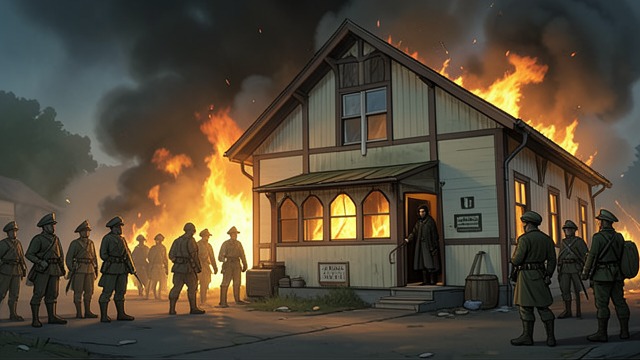
English soldiers occupy Achille’s home, kill his family, and force him into exile.
Retaliatory Labor
Achille works in Maine logging camps, directing his anger toward forests settlers regard as theirs to clear.
The Heirs’ Uncertain Claim
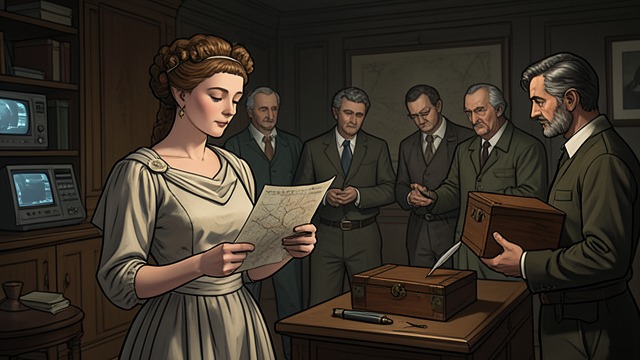
The Heirs’ Uncertain Claim
A Report Resurfaces
Sophia finds evidence that living Mi’kmaw descendants may have a stronger blood claim to the company’s founding family.
Legal Threat and Denial
The company worries about a possible lawsuit, but family members debate whether the claim can be pursued or should be ignored.
1693, during René’s first service years
Early eighteenth century, as Duquet expands into Maine
1730s, during the Frost timber dispute
Mid-eighteenth century, as English settlement expands
Late in the company’s history
